


 yomi@rulecomposite.com



What is bmc resin
 Mar 13, 2026|
 View:829
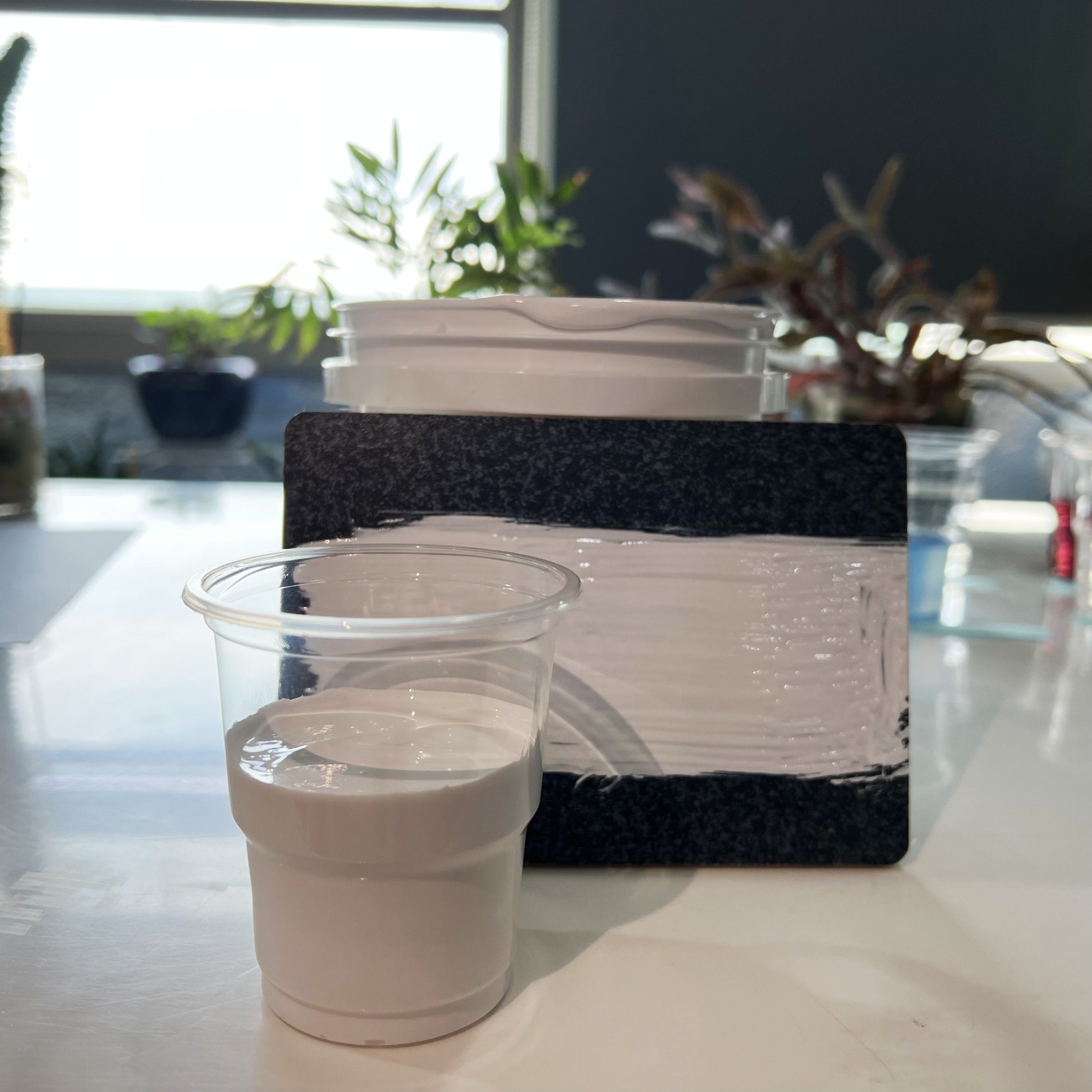
BMC resin, short for Bulk Molding Compound resin, is a specialized liquid unsaturated polyester resin designed for the molding of Bulk Molding Compound (BMC) and Sheet Molding Compound (SMC). As a crucial component in the production of fiber-reinforced thermosetting composites, BMC resin plays a vital role in various industries, including automotive, electrical, construction, and rail transportation. This article delves into the composition, properties, applications, and advancements of BMC resin, providing a comprehensive understanding of this versatile material.
Composition of BMC Resin
BMC resin is primarily composed of unsaturated polyester, which serves as the base resin. This polyester is typically synthesized through the condensation reaction of dibasic acids, such as phthalic anhydride or isophthalic acid, with diols like propylene glycol or neopentyl glycol. The resulting polyester contains unsaturated double bonds, which enable cross-linking during the curing process, leading to the formation of a three-dimensional network structure.
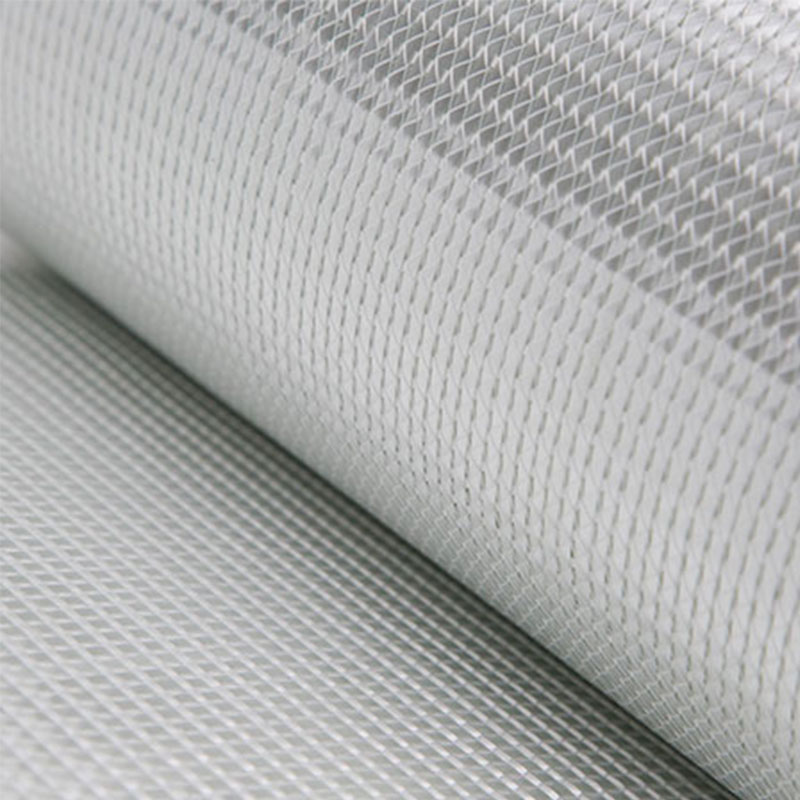
In addition to the base resin, BMC resin incorporates various additives to enhance its performance. These additives include low-shrinkage agents, which reduce the shrinkage of the cured material, ensuring dimensional stability and surface quality; initiators, which trigger the cross-linking reaction; and fillers, such as calcium carbonate or aluminum hydroxide, which improve mechanical properties, reduce cost, and enhance flame retardancy. Short-cut glass fibers, typically ranging from 3 to 25 millimeters in length, are also added to provide reinforcement, significantly increasing the strength and stiffness of the composite.
Properties of BMC Resin
BMC resin exhibits a range of desirable properties that make it suitable for a wide array of applications. Firstly, it demonstrates high mechanical strength, with tensile, flexural, and impact strengths surpassing those of many thermoplastic materials. This strength is attributed to the cross-linked structure formed during curing and the reinforcement provided by the glass fibers.
Secondly, BMC resin offers excellent heat resistance. Depending on the specific formulation, the heat deflection temperature (HDT) of BMC composites can range from 200°C to 280°C, allowing them to withstand high-temperature environments without significant deformation or degradation. This property is particularly valuable in automotive and electrical applications where components are exposed to elevated temperatures.
Thirdly, BMC resin exhibits good chemical resistance. It is resistant to water, alcohols, aliphatic hydrocarbons, oils, and greases, making it suitable for use in environments where exposure to these substances is likely. However, it is important to note that BMC resin may be susceptible to attack by ketones, chlorinated hydrocarbons, aromatic hydrocarbons, and strong acids and bases.
Another notable property of BMC resin is its low shrinkage. The incorporation of low-shrinkage agents in the resin formulation effectively reduces the shrinkage during curing, resulting in composites with high dimensional accuracy and excellent surface finish. This property is crucial for applications that require precise tolerances and aesthetic appeal, such as automotive exterior parts and electrical enclosures.
Furthermore, BMC resin offers good electrical properties. It has high dielectric strength, low dielectric constant, and excellent arc resistance, making it an ideal material for electrical insulation applications. These properties ensure the safe and reliable operation of electrical components and systems.

Applications of BMC Resin
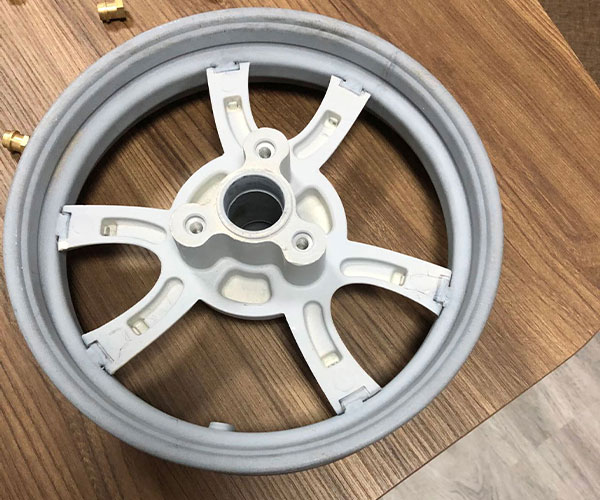
The unique combination of properties offered by BMC resin has led to its widespread use in various industries. In the automotive sector, BMC resin is extensively employed in the production of components such as headlight reflectors, engine covers, valve covers, and various interior and exterior trim parts. The high mechanical strength, heat resistance, and dimensional stability of BMC composites make them well-suited for these demanding applications. Additionally, the ability to mold complex shapes with high precision allows for the integration of multiple functions into a single component, reducing assembly costs and improving overall vehicle performance.
In the electrical industry, BMC resin is used to manufacture a wide range of components, including circuit breakers, contactors, meter boxes, and various electrical enclosures. The excellent electrical properties of BMC composites, combined with their flame retardancy and chemical resistance, ensure the safe and reliable operation of electrical systems in various environments. Moreover, the ability to produce components with intricate designs and tight tolerances enables the miniaturization and integration of electrical components, contributing to the development of more compact and efficient electrical devices.
The construction industry also benefits from the use of BMC resin. BMC composites are employed in the production of building components such as window frames, door panels, and decorative elements. The high strength-to-weight ratio, durability, and weather resistance of BMC composites make them an attractive alternative to traditional materials like wood and metal. Furthermore, the ability to produce components with a wide range of colors and finishes allows for greater design flexibility, meeting the aesthetic requirements of modern architectural projects.
In the rail transportation sector, BMC resin is used to manufacture components such as train doors, interior panels, and various structural parts. The high mechanical strength, impact resistance, and flame retardancy of BMC composites ensure the safety and reliability of rail vehicles. Additionally, the lightweight nature of BMC composites contributes to energy efficiency and reduced operating costs.

Advancements in BMC Resin Technology
Over the years, significant advancements have been made in BMC resin technology to further enhance its performance and expand its range of applications. One area of focus has been the development of low-shrinkage and low-profile BMC resins. By incorporating advanced low-shrinkage agents and optimizing the resin formulation, manufacturers have been able to produce BMC composites with even lower shrinkage rates, achieving near-zero shrinkage in some cases. This has opened up new opportunities for applications that require extremely high dimensional accuracy, such as optical components and precision mechanical parts.
Another area of advancement is the development of flame-retardant BMC resins. With increasing emphasis on fire safety in various industries, there has been a growing demand for BMC composites with improved flame retardancy. Manufacturers have responded by incorporating flame-retardant additives into the resin formulation, enabling BMC composites to meet stringent flame-retardant standards without compromising other properties.
Furthermore, research is being conducted to develop BMC resins with enhanced mechanical properties, such as higher tensile and flexural strengths. This involves optimizing the resin formulation, incorporating novel reinforcement materials, and improving the processing techniques to achieve better fiber dispersion and interfacial bonding.
In addition, there is a trend towards the development of environmentally friendly BMC resins. This includes the use of bio-based resins and recyclable materials to reduce the environmental impact of BMC composites. Manufacturers are also exploring ways to reduce the emission of volatile organic compounds (VOCs) during the processing of BMC resin, improving the working environment and meeting increasingly strict environmental regulations.
Conclusion
BMC resin is a versatile and high-performance material that has revolutionized the production of fiber-reinforced thermosetting composites. Its unique combination of properties, including high mechanical strength, excellent heat resistance, good chemical resistance, low shrinkage, and superior electrical properties, has made it an indispensable material in various industries, such as automotive, electrical, construction, and rail transportation. With ongoing advancements in BMC resin technology, including the development of low-shrinkage, flame-retardant, high-performance, and environmentally friendly resins, the applications of BMC resin are expected to continue to expand, driving innovation and progress in numerous fields. As a result, BMC resin will remain a key material in the development of advanced composite components, contributing to the advancement of technology and the improvement of people's lives.