


 yomi@rulecomposite.com



What is gel coat resin
 Jan 13, 2026|
 View:1084
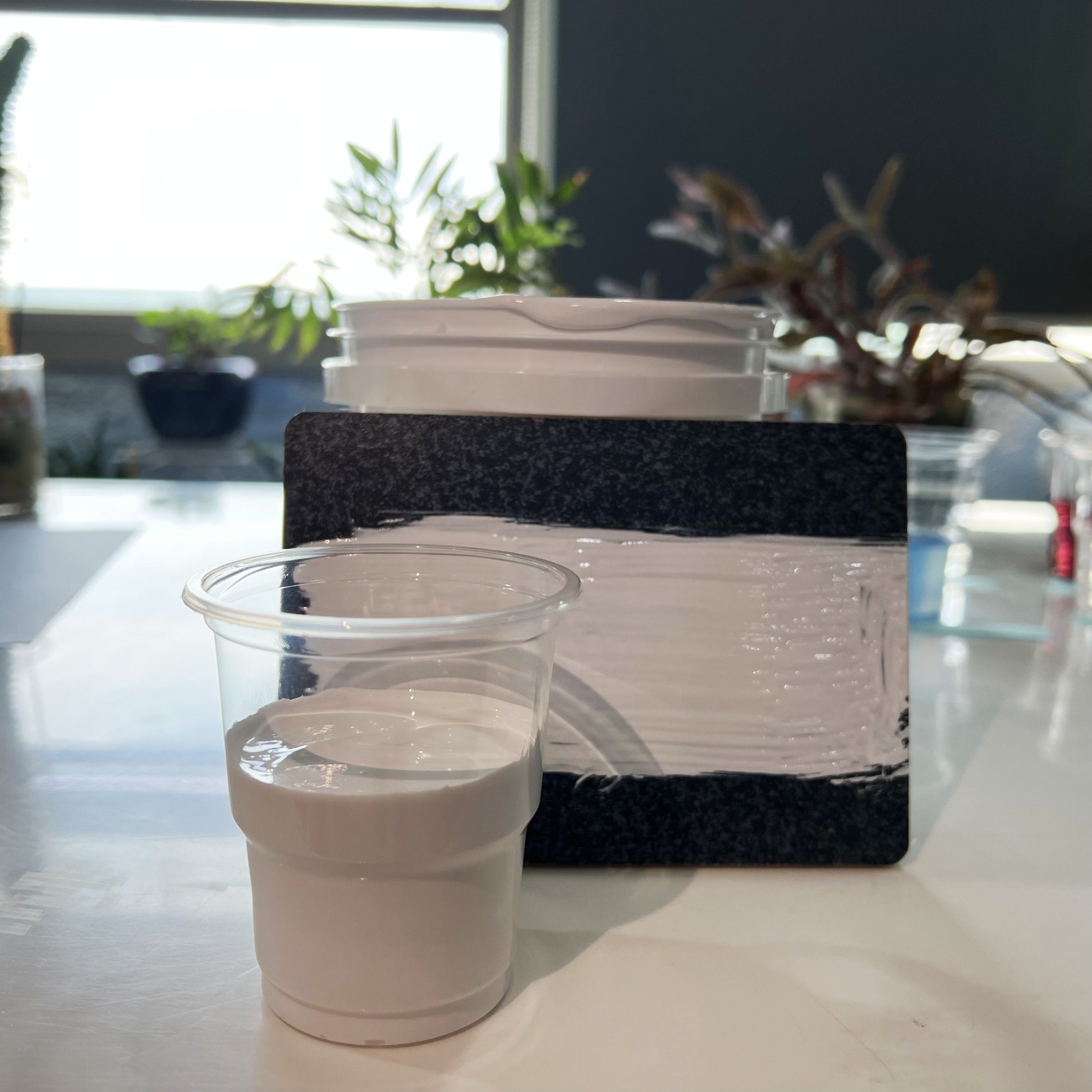
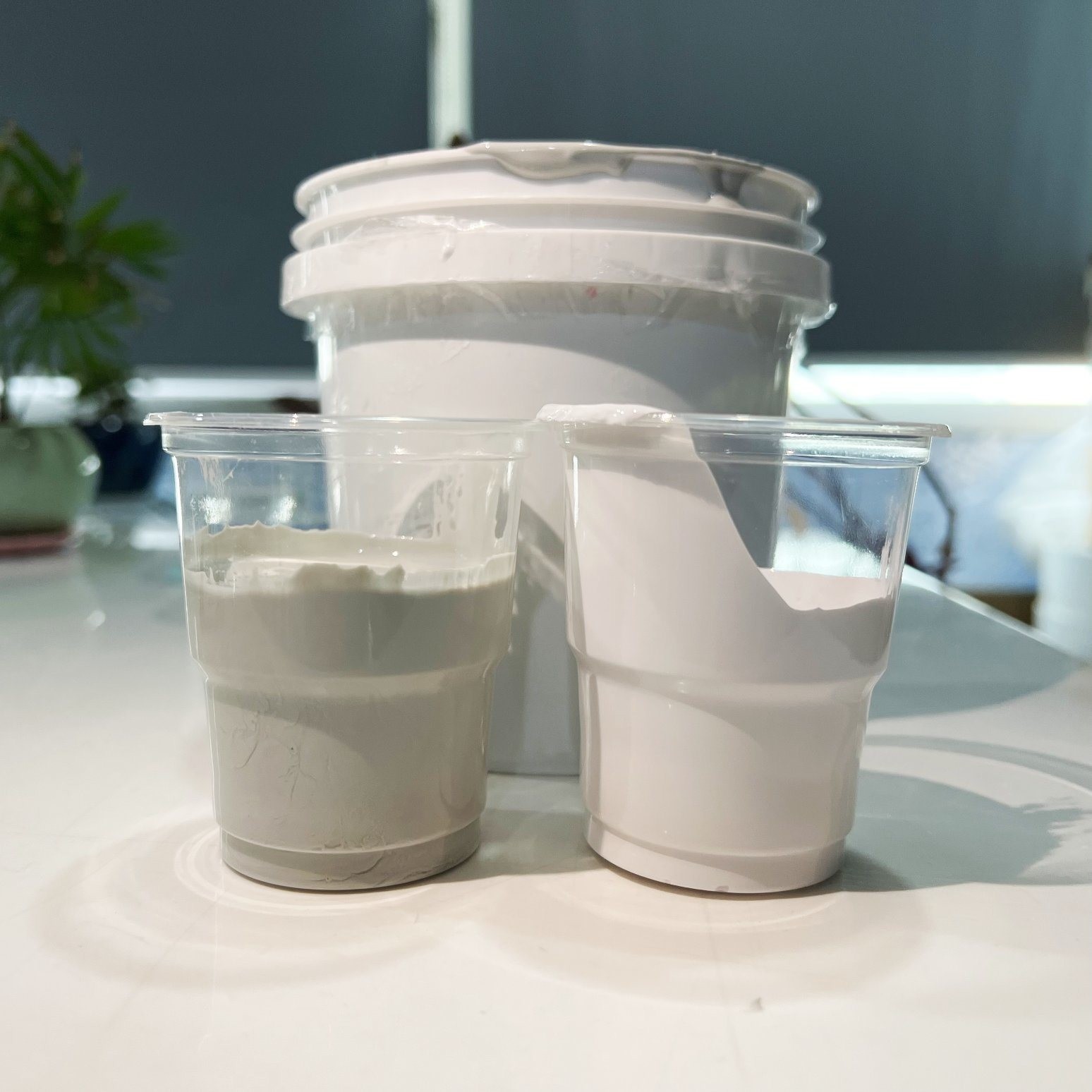
Gel coat resin is a specialized thermosetting polymer material designed to provide a high-quality, durable, and aesthetically pleasing surface finish on fiber-reinforced composites (FRPs) and glass-reinforced plastics (GRPs). Unlike structural resins that form the core strength of composites, gel coat resin acts as a protective and decorative layer, shielding underlying materials from environmental damage while enhancing visual appeal. Its unique formulation and application techniques make it indispensable in industries ranging from marine manufacturing to aerospace engineering.
Chemical Composition and Properties
Gel coat resins are primarily derived from two types of thermosetting polymers: unsaturated polyester resins and epoxy resins, with polyester variants dominating commercial applications. These resins are modified with additives to optimize performance:
1.Thixotropic Agents: Pyrogenated silica or other thixotropic additives are incorporated to control viscosity, preventing sagging on vertical surfaces during curing. This ensures uniform thickness (typically 0.2–0.7 mm) even in complex molds.
2.Curing Catalysts: Methyl ethyl ketone peroxide (MEKP) is the most common catalyst, triggering cross-linking reactions at room temperature. The MEKP concentration (1–2% by volume) directly influences pot life and cure time—insufficient catalyst leads to incomplete curing, while excess may cause shrinkage or mold adhesion issues.
3.Pigments and UV Stabilizers: Gel coat resins are tinted with pigments to achieve vibrant colors or match existing finishes. UV stabilizers are added to mitigate degradation from sunlight exposure, a critical feature for outdoor applications like boat hulls.
4.Styrene Monomer: Used as a thinning agent, styrene improves flow during spraying and reduces brush marks. However, excessive styrene (over 10% by volume) can compromise mechanical properties, leading to brittleness.
Application Techniques and Process
The application of gel coat resin is a meticulous process that demands precision to achieve optimal results:
1.In-Mold Application: Gel coat is sprayed onto the mold surface before laying up fiber reinforcements (e.g., fiberglass or carbon fiber). This ensures the resin forms the outermost layer, creating a smooth, glossy finish. Specialized spray guns with high-pressure nozzles are recommended for uniform coverage.
2.Post-Cure Coating: For repair or refinishing, gel coat can be applied as a secondary layer. However, it requires an air inhibitor (e.g., styrene wax or PVA release film) to prevent premature curing due to oxygen exposure.
3.Layering Strategy: Unwaxed gel coat allows multiple layers without sanding between coats, while waxed variants are used for the final layer to achieve a tack-free surface. This layering technique is vital in marine repairs, where restoring structural integrity and appearance are equally important.
Industrial Applications and Innovations
Gel coat resin’s versatility stems from its ability to balance aesthetics, durability, and functionality across diverse industries:
1.Marine Industry: Boat hulls and decks rely on gel coat resins for their waterproofing, UV resistance, and high-gloss finishes. For instance, ISO NPG (isophthalic neopentyl glycol) polyester resins are preferred for their superior flexibility and chemical resistance, extending the lifespan of vessels even in harsh saltwater environments.
2.Automotive Sector: Lightweight truck fenders and automotive body panels use gel coat resins to combine corrosion resistance with sleek designs. BASF’s Palapreg® P55-03, a vinyl ester-based gel coat, withstands 1,000 hours of salt spray testing without blistering, making it ideal for offshore equipment.
3.Aerospace Engineering: Advanced gel coat formulations modified with carbon nanotubes achieve thermal conductivity of 15 W/m·K, critical for hypersonic vehicle components. These resins also resist extreme temperatures, ensuring performance in aerospace applications.
4.Wind Energy: Turbine blades benefit from gel coat resins’ icephobic properties, reducing ice accumulation and improving efficiency in cold climates.
Sustainability and Future Trends
The global gel coat resin market, valued at $1.73 billion in 2025, is projected to grow at a 5.22% CAGR through 2033, driven by demand in Asia-Pacific (36.4% market share). Innovations are addressing environmental concerns:
Low-Styrene Formulations: Reducing volatile organic compound (VOC) emissions to comply with stricter regulations.
Bio-Based Resins: Derived from plant oils or recycled PET, these eco-friendly alternatives minimize reliance on fossil fuels.
Circular Economy Practices: Recycling gel coat waste into new resins or composite materials is gaining traction, aligning with global sustainability goals.
Conclusion
Gel coat resin remains a cornerstone of modern composite engineering, offering an unparalleled combination of aesthetic appeal, durability, and functionality. Its ability to protect underlying structures from water, UV rays, and chemicals while maintaining a glossy finish makes it indispensable in marine, automotive, aerospace, and renewable energy sectors. As industries prioritize sustainability, innovations in low-VOC, bio-based, and recyclable gel coat resins are expanding their applications while reducing environmental impact. Whether restoring a vintage boat or manufacturing cutting-edge aircraft components, gel coat resin continues to redefine the boundaries of composite material design, ensuring long-term performance and visual excellence.