

 yomi@rulecomposite.com



What is the difference between chopped strand and woven fiberglass
 Dec 25, 2025|
 View:1516
In the realm of composite materials, fiberglass stands out as a widely used and versatile option. It offers a combination of strength, durability, and relatively low cost, making it suitable for a diverse range of applications, from construction and automotive to marine and aerospace. Among the various forms of fiberglass, chopped strand and woven fiberglass are two prominent types. Understanding the differences between these two forms is crucial for selecting the appropriate material for specific projects, as each has its own unique set of characteristics, advantages, and limitations. This article aims to delve into the details of chopped strand and woven fiberglass, highlighting their individual features and comparing them to help readers make informed decisions.
What is Chopped Strand
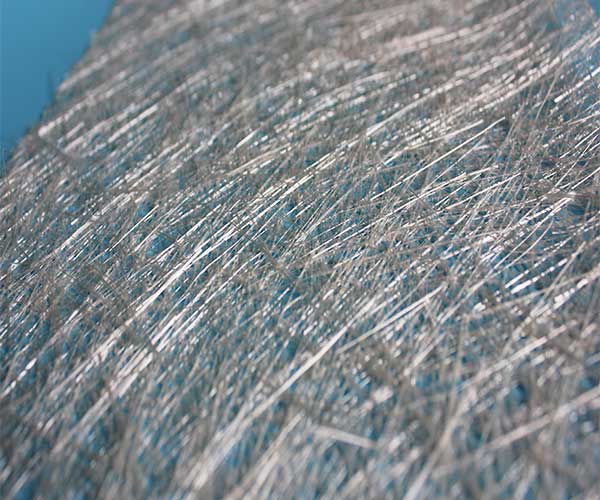
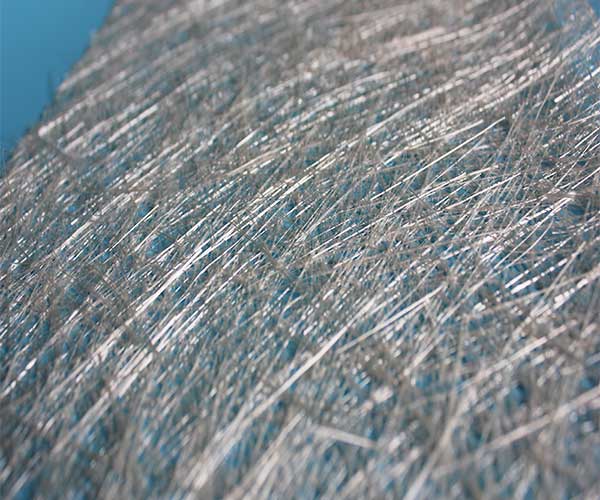
Chopped strand fiberglass consists of short, randomly oriented glass fibers. These fibers are typically produced by cutting continuous glass filaments into lengths that usually range from a few millimeters to several centimeters. The chopped strands are then often combined with a resin binder to form a mat or are used as a loose fill material.
One of the key features of chopped strand is its ease of handling and application. Since the fibers are short and randomly arranged, they can easily conform to complex shapes and irregular surfaces. This makes chopped strand an excellent choice for applications where a uniform distribution of fibers is required over a non - planar area. For example, in the manufacturing of molded composite parts, chopped strand can be evenly dispersed throughout the mold cavity, ensuring that the final product has consistent strength and properties in all directions.
Another advantage of chopped strand is its relatively low cost. The production process for creating short, chopped fibers is less complex compared to some other forms of fiberglass, which helps keep the manufacturing costs down. Additionally, the ability to use it in bulk quantities as a loose fill or in mat form makes it a cost - effective solution for large - scale applications such as insulation in buildings or as a reinforcement in concrete structures.
However, chopped strand also has some limitations. Due to the random orientation of the fibers, it generally provides lower mechanical strength compared to some other oriented fiberglass forms. The lack of a specific fiber alignment means that the load - bearing capacity in a particular direction is not as high as it could be with a more organized fiber structure.
What is Woven Fiberglass
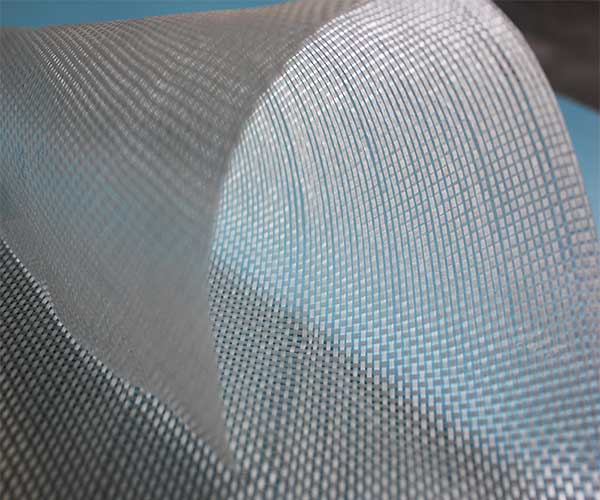
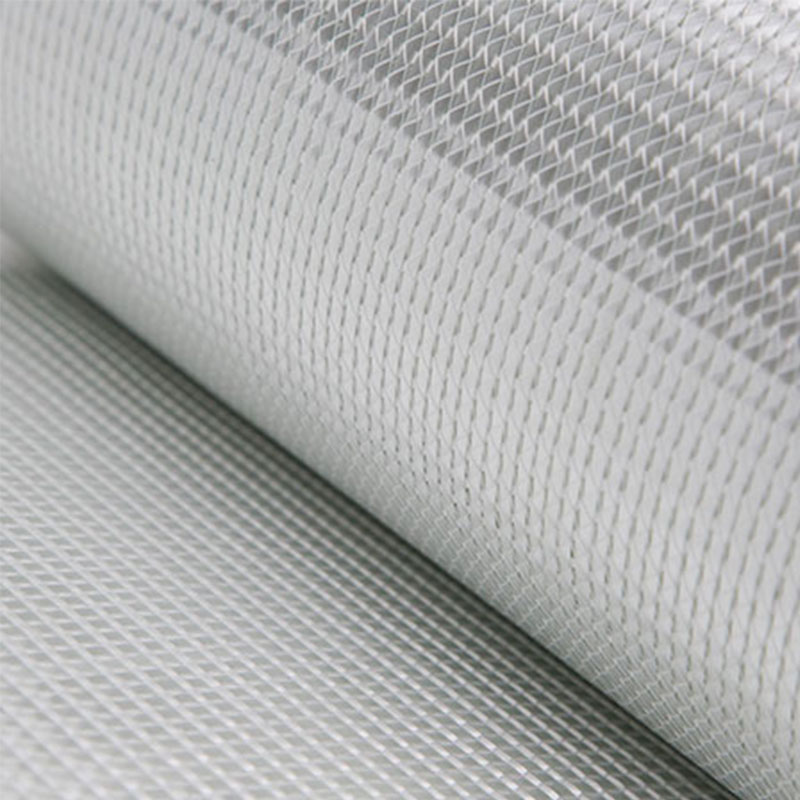
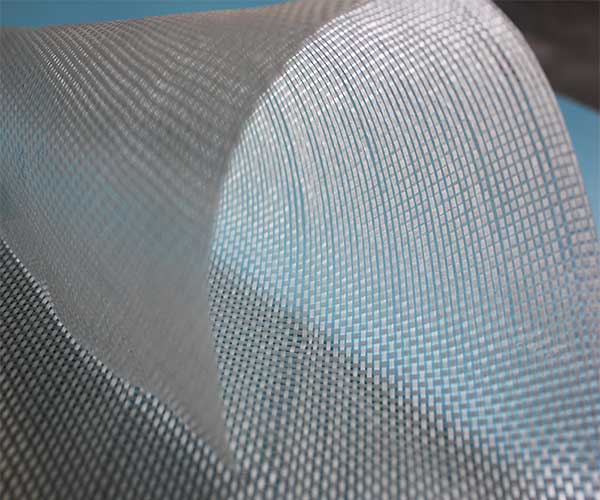
Woven fiberglass, as the name suggests, is made by weaving continuous glass fibers into a fabric - like structure. The weaving process creates a regular pattern of intersecting fibers, which can be in various forms such as plain weave, twill weave, or satin weave. Each weave pattern has its own unique characteristics in terms of strength, flexibility, and appearance.
The main advantage of woven fiberglass is its high strength and dimensional stability. The continuous fibers that are woven together provide excellent tensile strength, allowing the material to withstand significant pulling forces. The regular weave pattern also helps to distribute loads evenly across the fabric, enhancing its overall mechanical performance. This makes woven fiberglass ideal for applications where high strength and durability are essential, such as in the construction of boat hulls, aircraft components, and high - performance sports equipment.
Woven fiberglass also offers good flexibility, depending on the weave pattern. Some weaves, like twill weave, allow for easier draping over curved surfaces compared to plain weave, while still maintaining a high level of strength. This flexibility makes it possible to create complex shapes and structures without sacrificing the material's integrity.
In terms of appearance, woven fiberglass has a more uniform and aesthetically pleasing look compared to chopped strand. The regular weave pattern gives it a textured, fabric - like appearance that can be left exposed in some applications or easily covered with a coating or finish.
On the downside, woven fiberglass can be more expensive than chopped strand. The complex weaving process and the use of continuous fibers contribute to higher production costs. Additionally, working with woven fiberglass requires more skill and precision during cutting and shaping, as the weave pattern can be disrupted if not handled properly, potentially affecting the material's strength and performance.
Differences between Chopped Strand and Woven Fiberglass
Fiber Orientation
The most fundamental difference lies in the orientation of the glass fibers. Chopped strand has randomly oriented fibers, while woven fiberglass features fibers that are arranged in a regular, intersecting pattern. This difference in fiber orientation directly impacts the mechanical properties of the two materials, with woven fiberglass generally having higher directional strength due to its organized fiber structure.
Strength and Durability
Woven fiberglass typically offers superior strength and durability compared to chopped strand. The continuous, woven fibers can better resist tensile forces and distribute loads, making it more suitable for high - stress applications. Chopped strand, with its random fiber arrangement, is more prone to deformation under heavy loads and may not provide the same level of long - term durability.
Handling and Application
Chopped strand is easier to handle and apply, especially for irregular shapes and large - scale applications. Its loose or mat form allows it to conform to complex surfaces easily. Woven fiberglass, on the other hand, requires more careful handling during cutting and shaping to maintain its weave pattern and strength. However, its flexibility, depending on the weave, enables it to be draped over curved surfaces for certain applications.
Cost
Chopped strand is generally more cost - effective than woven fiberglass. The simpler production process and the ability to use it in bulk contribute to its lower price. Woven fiberglass, with its complex weaving and higher - quality continuous fibers, comes at a higher cost.
Which is Worth Choosing: Chopped Strand or Woven Fiberglass
The choice between chopped strand and woven fiberglass depends on the specific requirements of the project. If cost is a major concern and the application does not demand extremely high strength or precise fiber orientation, chopped strand may be the better option. For example, in simple insulation projects or as a reinforcement in low - stress concrete structures, chopped strand can provide a cost - efficient solution.
However, if high strength, durability, and precise fiber alignment are crucial, woven fiberglass is the way to go. Applications such as building high - performance boats, aircraft parts, or sports equipment that require excellent mechanical properties and the ability to withstand significant forces justify the higher cost of woven fiberglass.
Conclusion
In conclusion, chopped strand and woven fiberglass are two distinct forms of fiberglass with their own set of characteristics. Chopped strand offers ease of handling, cost - effectiveness, and the ability to conform to irregular shapes, but has lower strength due to its random fiber orientation. Woven fiberglass provides high strength, durability, and a more aesthetically pleasing appearance, but comes at a higher cost and requires more skillful handling. By carefully considering the specific needs of a project in terms of strength, cost, and application complexity, one can make an informed decision on whether to choose chopped strand or woven fiberglass.