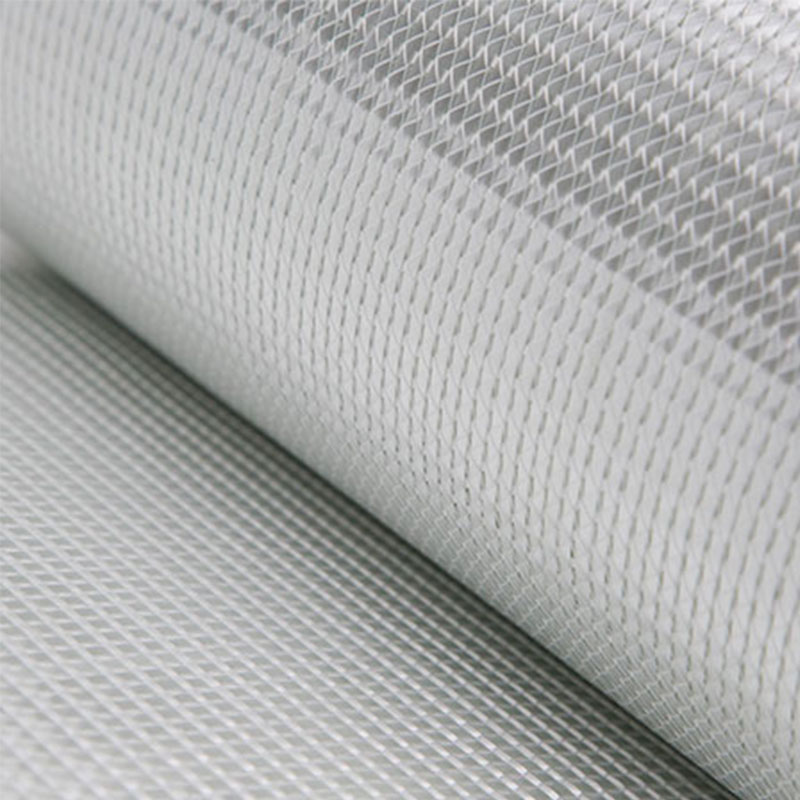
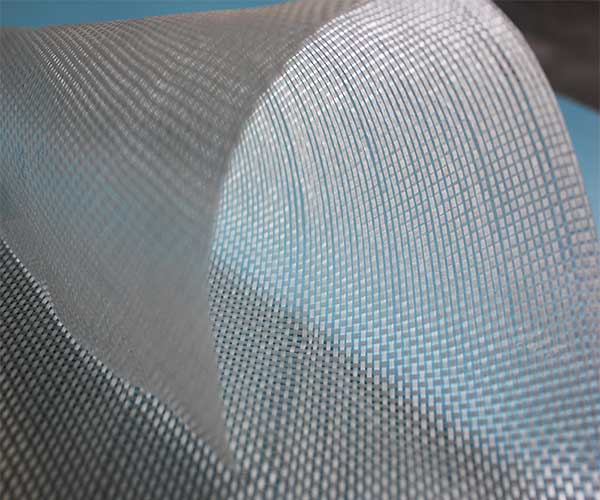
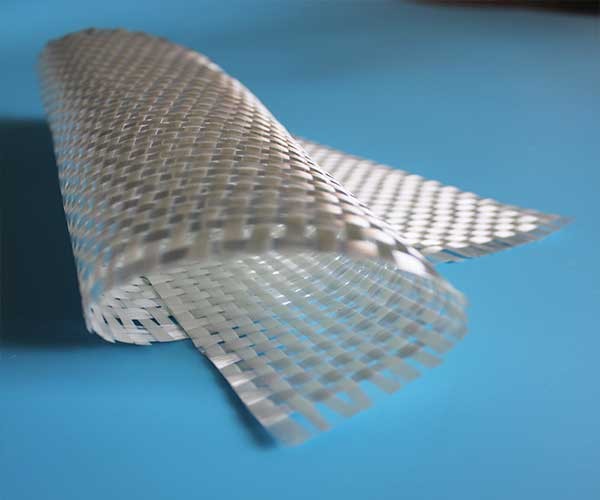
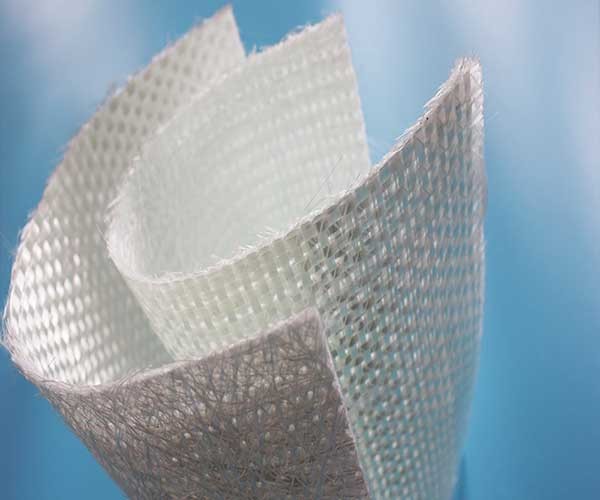
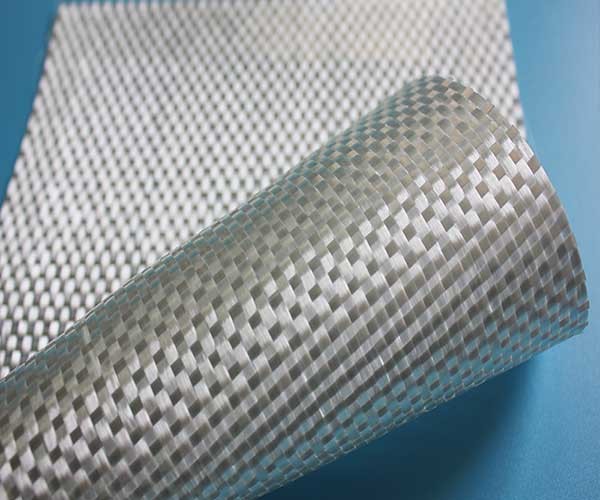
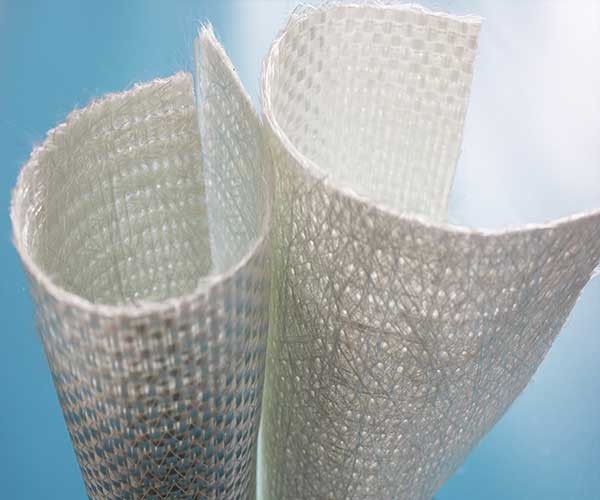
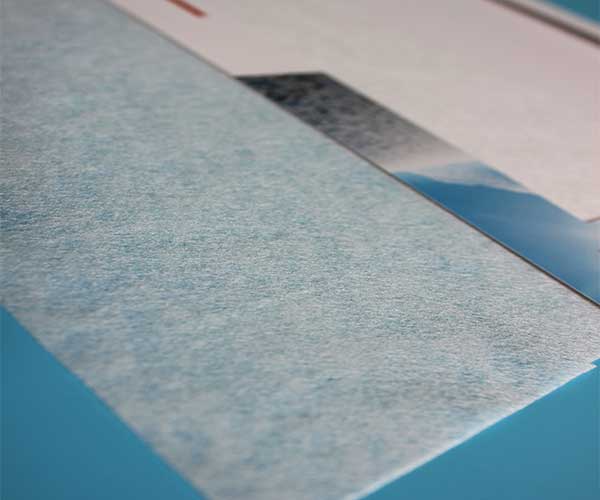
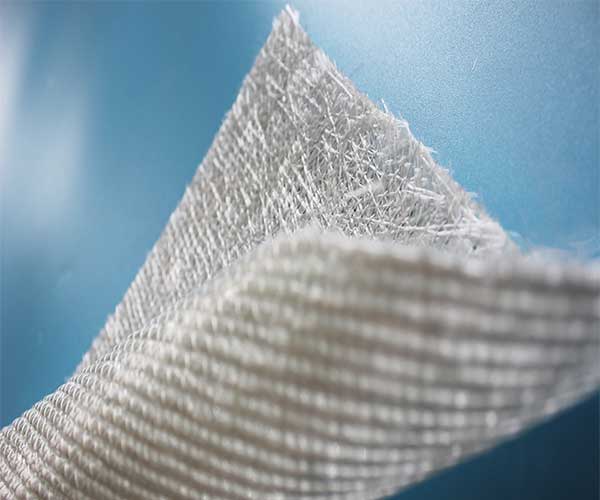
Fiberglass woven fabric is a high-performance material composed of interwoven fiberglass yarns. It boasts exceptional strength-to-weight ratio, making it ideal for applications requiring durability without added bulk. Its key features include excellent heat resistance, chemical stability, and dimensional precision. Fiberglass woven fabric also offers superior electrical insulation and corrosion resistance, ensuring long-lasting performance in harsh environments. Widely used in aerospace, automotive, and construction industries, this versatile material enhances structural integrity while reducing maintenance costs.
Advantages:
1.Fiberglass woven fabric boasts high strength and excellent durability, enabling it to withstand significant stress and strain. This makes it ideal for applications requiring robust structural support.
2.It has remarkable heat resistance. Fiberglass woven fabric can maintain stability in high - temperature environments, preventing deformation or damage.
3.The fabric offers good chemical resistance, protecting against various corrosive substances.
4.Its lightweight nature makes it easy to handle and install in diverse projects.
Applications:
Fiberglass woven fabric is a highly versatile material with a wide range of applications. In the construction industry, it's used for reinforcing concrete structures, enhancing their strength and durability. In the automotive sector, fiberglass woven fabric helps in manufacturing lightweight yet sturdy components. Additionally, it's crucial in insulation, providing excellent thermal and electrical insulation. Its corrosion resistance also makes it valuable in chemical - related fields.
A: Woven Roving(E\ECR)
1.
Features and usage:
Woven roving is made of direct rovings in plain, twill pattern. The input rovings are designed to give control wet-out and excellent laminate properties. It is compatible with Polyester, Vinyl and Epoxy resin and widely used in boat building, storage tanks, swimming pools, sailboards, Auto parts, FRP flat panels etc, suitable for hand lay up, BMC, Filament winding, mold press processes.
2.
General
data
| Code | Glass type | Weight
(g/m²) |
| Weave | Moisture
Content | L.O.I
Content |
Breaking
strength |
Warp | Weft |
RULR200 | E/ECR | 200 | 1300 | 1100 | Plain | ≤0.2 | 0.4-0.8 |
RULR270 | E/ECR | 270 | 1900 | 1700 | Plain | ≤0.2 | 0.4-0.8 |
RULR300 | E/ECR | 300 | 2000 | 1800 | Plain | ≤0.2 | 0.4-0.8 |
RULR360 | E/ECR | 360 | 2200 | 2000 | Plain | ≤0.2 | 0.4-0.8 |
RULR400 | E/ECR | 400 | 2500 | 2200 | Plain | ≤0.2 | 0.4-0.8 |
RULR500 | E/ECR | 500 | 3000 | 2750 | Plain | ≤0.2 | 0.4-0.8 |
RULR530 | E/ECR | 530 | 3300 | 3000 | Plain | ≤0.2 | 0.4-0.8 |
RULR580 | E/ECR | 580 | 3600 | 3300 | Plain | ≤0.2 | 0.4-0.8 |
RULR600 | E/ECR | 600 | 4000 | 3850 | Plain | ≤0.2 | 0.4-0.8 |
RULR800 | E/ECR | 800 | 4600 | 4400 | Plain | ≤0.2 | 0.4-0.8 |
RULR1000 | E/ECR | 1000 | 5300 | 5100 | Plain | ≤0.2 | 0.4-0.8 |
3.
Remarks:
1)
Roll width:
Standard width in 1000mm,1270mm, and other sizes depends on customer's real needs, available in 200mm to 3200mm.
2)
Packing:
Fiberglass woven roving is usually rolled in a paper tube with inner diameter 76mm. The roll is warped with plastic film, then put into carton. Lay the rolls horizontally, and can be loaded on pallets and bulk in container.
3)
Storage:
The product should be stored in a cool, water-proof area. It is recommended that the room temperature and humidity be always maintained at 15℃
to 35℃
and 35% to 65% respectively. Please keep the product in its original packaging before being used, avoiding moisture absorption.
FAQ
1. What are the main applications of fiberglass woven fabric?
A: Fiberglass woven fabric is widely used in insulation, reinforcement for composites, automotive parts, and construction for heat resistance.
2. How does fiberglass woven fabric handle extreme temperatures?
A: It maintains stability from -70°C to 550°C, making it ideal for high-temperature environments like furnaces and exhaust systems.
3. Is fiberglass woven fabric resistant to chemicals?
A: Yes, it resists most acids, alkalis, and solvents, ensuring durability in corrosive settings like chemical plants or marine applications.
4. Can fiberglass woven fabric be customized for specific projects?
A: Absolutely! We offer customization in weave patterns, thickness, width, and coatings (e.g., silicone, PTFE) to meet unique requirements.
5.
How should fiberglass woven fabric be stored to maintain quality?
A: Store it in a cool, dry place away from direct sunlight and moisture, rolled flat or hung vertically to prevent creasing or deformation.


 yomi@rulecomposite.com