


 yomi@rulecomposite.com



How to select a reliable BMC material manufacturer for your business needs
 Jul 13, 2026|
 View:464
You need a reliable BMC material manufacturer to ensure your business succeeds. Proven quality, strong certifications, and steady production capacity matter most. Customer support and clear communication help you avoid misunderstandings. Advanced technology and patents improve product performance and mixing uniformity. Industry reputation shows trust and experience. Many businesses face challenges such as material compatibility, effective mixing, temperature control, and handling high viscosity. Look for manufacturers with strict quality management and the ability to offer customized solutions.
Material compatibility and wear resistance
Effective screw design for mixing
Barrel liner strength and coating
Temperature control and uniform heating
Handling material flow and viscosity
Key Takeaways
Identify your specific BMC material needs before selecting a manufacturer. Understand the grades and properties required for your project.
Check for certifications like ISO 9001 to ensure the manufacturer meets quality standards. This helps guarantee the reliability of the materials.
Evaluate the manufacturer's production capacity and flexibility. Ensure they can meet your order size and delivery schedule as your business grows.
Request samples and test reports to assess product quality. This step helps you confirm that the materials meet your specifications.
Build a long-term relationship with your supplier. A strong partnership can lead to better service, pricing, and custom solutions for your projects.
Define Your BMC Material Requirements
Material Specifications
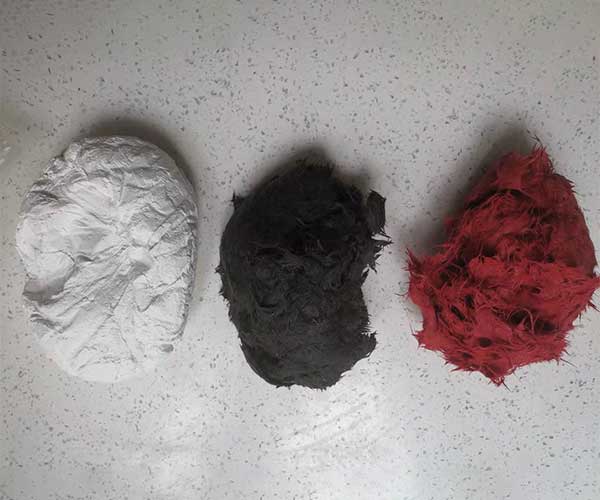
You should start by understanding the exact material specifications your project needs. BMC materials come in different forms and grades. Each grade fits a specific use. For example, you might need BMC for electrical enclosures, automotive parts, or kitchen appliances. These products require different strengths and properties.
Here are some common uses for BMC materials:
Iron heat shields
Coffee machine parts
Microwave ware
Pump and motor housings
Safety products
Water tanks and purification systems
BMC materials have unique features that make them suitable for many industries. You can check the table below for typical specifications:
Specifications | BMC Material |
|---|---|
Material Form | Bulk paste-like compound (ready-to-mold) |
Resin System | Unsaturated Polyester / Vinyl Ester |
Fiber Reinforcement | Short glass fiber (10–30%) |
Molding Methods | Injection or Compression molding |
Flowability | Excellent for complex shapes |
Electrical Properties | High insulation and arc resistance |
Flame Retardancy | UL94 V-0 / V-1 grades |
Dimensional Stability | Low shrinkage, high precision |
Surface Finish | Good quality for functional parts |
Production Efficiency | Fast cycle time |
Typical Applications | Electrical, automotive, appliance components |
The fiber content in BMC affects its strength. For example, a fiber weight of 10%–15% works for small terminal blocks. A higher fiber content, like 25%–35%, fits heavy-duty switchgear or EV charging frames.
Volume and Delivery Needs
You must also decide how much BMC material you need and how often you need it delivered. Some projects require large, steady shipments. Others need smaller, custom batches. A reliable BMC material manufacturer can match your order size and schedule.
Think about these points:
How many parts do you need each month?
Do you need fast delivery for urgent projects?
Will your demand grow in the future?
Tip: Share your forecast and delivery needs with your supplier early. This helps them plan production and avoid delays.
When you know your specifications and volume, you can choose a manufacturer who meets your needs and keeps your business running smoothly.
Evaluating a BMC Material Manufacturer
Certifications and Compliance
When you choose a BMC material manufacturer, you need to check their certifications. Certifications show that the company follows strict rules and meets international standards. These certificates help you trust the quality and safety of the materials you buy.
Here is a table of important certifications for BMC material manufacturers:
Certification | Description |
|---|---|
ISO 9001:2015 | Recognizes quality management systems for custom molding solutions. |
UL Listed Materials | Ensures compliance for residential, commercial, and industrial applications. |
Defense & Aerospace (MIL-SPEC) | Meets strict military specifications for strength and safety. |
Medical Precision | Designed for safety and tight-tolerance consistency in life-critical diagnostic equipment. |
Mass Transit Compliance | High-performance components that meet environmental requirements for transit and bus industries. |
Green Initiatives | Focused on recycling materials and reducing manufacturing waste. |
You should look for a BMC material manufacturer with ISO 9001 certification. This certificate means the company uses a strong quality management system. It helps the company keep product quality steady. ISO 9001 also reduces mistakes by using careful checks during production. These checks catch problems early, so you get reliable products every time.
Tip: Always ask for proof of certifications before you place an order. This step protects your business and helps you avoid costly mistakes.
Company Reputation and Experience
A good reputation and long experience show that a BMC material manufacturer can deliver what you need. You want a partner who has a history of meeting customer needs and solving problems quickly.
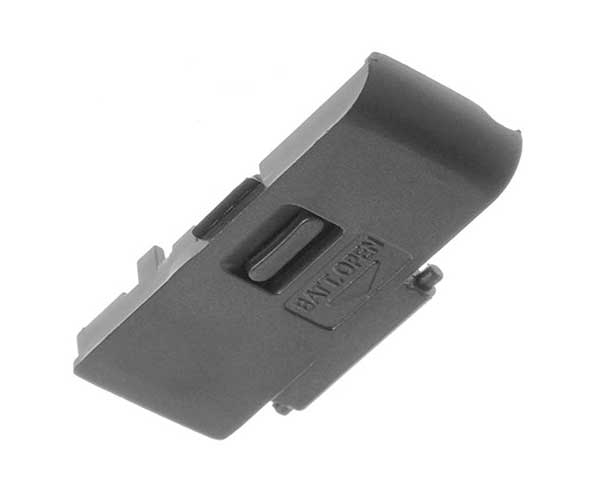
Changzhou Rule Composite Material Co., Ltd stands out in this area. The company holds several core patents, such as bladeless mixing technology. This technology keeps glass fibers strong and improves the uniformity of the mix. The company also designs special BMC products, like waterproof battery covers with great heat control. These patents show a focus on innovation and better product performance.
Changzhou Rule Composite follows the ISO9001 quality management system. Every step, from buying raw materials to testing finished products, uses strict controls. This process keeps the quality high and steady. The company also helped write the group standard for BMC materials used in artificial stone washbasins. This work helps set clear rules for the whole industry and shows leadership in standardization.
You should compare different BMC material manufacturers to see how they use technology and innovation. Here is a table that shows how some global suppliers stand out:
Supplier | Unique Strengths | Technological Innovations |
|---|---|---|
IDI | Proprietary high-performance composites | Ultrium™, Fortium™, Flamevex™, Alluralite™; R&D at 3i Composites Technology Center |
Polynt | Electrical-grade, flame-retardant formulations | Decades of resin chemistry expertise; broad unsaturated polyester resin product line |
Mar-Bal | Specialization in electrical-grade compounds | AltraSet Composite Technologies; UL Relative Thermal Index rating up to 200°C |
Toray | Aerospace-grade matrices | Chopped fiber thermoset and thermoplastic BMCs; lightweight composite parts replacing metals |
HAMC | Manufacturing strength and technical capability | Advanced factory with high-capacity production lines; industrial-grade quality control |
Changzhou Rule Composite matches these global leaders by focusing on advanced technology, strong patents, and strict quality systems. The company’s role in setting industry standards and its drive for innovation make it a reliable choice for your business.
Note: Choosing a BMC material manufacturer with a strong reputation and proven experience helps you avoid risks and ensures your projects succeed.
Assessing Product Quality and Consistency
Sample Testing and Reports
You need to check the quality of BMC materials before you use them in your products. Sample testing helps you see if the material meets your requirements. Ask your supplier for samples and test reports. These reports show important details like impact strength, flexural strength, and flame-retardant properties. You can use these results to compare different suppliers. Reliable companies give you clear and detailed reports. They also explain how they test their materials. You should look for reports that include measurements for thermal resistance and surface finish. These tests help you avoid surprises and make sure your products stay safe and strong.
Tip: Request a sample batch and review the test results with your technical team. This step helps you spot any issues early.
Quality Control Processes
Quality control keeps your materials consistent. A good BMC material manufacturer uses strict checks at every stage. You should ask about their quality control system. Many leading companies follow ISO9001 standards. They run audits to check their processes and products. You can see how often these audits happen in the table below:
Type of Audit | Frequency |
|---|---|
Internal Audits | Usually quarterly or half-yearly |
External Audits | Typically annual or as required |
Process Audits | Monthly or quarterly |
System Audits | Once or twice a year |
Supplier/Vendor Audits | Annually or before onboarding |
Compliance/Regulatory Audits | As mandated (often annual or biannual) |
You should ask your supplier how often they run these audits. Regular checks mean you get steady quality. Some companies also use advanced mixing technology to keep the material uniform. This technology helps prevent fiber breakage and improves performance. You can trust suppliers who share their audit schedules and quality control steps. Consistent quality makes your products reliable and keeps your customers happy.
Production Capacity and Flexibility

Meeting Demand and Scalability
You want a BMC material manufacturer who can keep up with your business as it grows. A strong partner will handle both small and large orders without delays. Changzhou Rule Composite Material Co., Ltd has an annual production capacity of 80,000 high-end kitchen and bathroom fixtures. The company uses 18 sets of advanced equipment, including presses and kneaders, to cover every step from mixing to post-processing. This setup helps you get steady supply, even when your demand increases.
Manufacturers use smart strategies to scale up production. Here is a table that shows how they do it:
Strategy | Description |
|---|---|
AI and Automation | Use AI for predictive maintenance and process optimization. |
Digital Transformation | Monitor and optimize processes with digital twins and IoT. |
Sustainability | Develop bio-based BMC and recycling programs. |
Smart Technologies | Add sensors to BMC for better functions and modern manufacturing. |
Emerging Innovations | Research nanomaterials and new techniques for higher efficiency. |
These strategies help you get reliable products, even when your needs change quickly.
Tip: Ask your supplier how they plan for sudden increases in orders. This helps you avoid supply problems during busy times.
Lead Times and Equipment
Fast and reliable delivery matters for your projects. You should know what equipment your supplier uses because it affects how quickly they can fill your orders. Changzhou Rule Composite uses a one-time molding process that gives high dimensional stability and a smooth surface finish. The company’s equipment lineup includes presses, kneaders, and machines for drilling and post-processing.
Here is a table of common equipment in high-capacity BMC production:
Equipment Type | Description |
|---|---|
Compression molding machine | Handles large loads, from 50 to 4,000 tons |
Liquid Compression molding | Special for thermoset materials |
Robotic trimming and punching | Cuts and shapes parts with high precision |
In-mold coating | Applies coatings during molding |
Grinding and assembly | Finishes and puts together final products |
Modern equipment and automation help your supplier keep lead times short and quality high. You can trust a manufacturer with advanced tools to deliver on time, even for big projects.
Customer Support and Value
Responsiveness and Technical Support
You need a BMC material manufacturer who answers your questions quickly. Fast responses help you solve problems before they grow. Good companies offer technical support when you need it. You can ask about product details, application advice, or troubleshooting. Some suppliers have engineers who help you choose the right material for your project. You should check if the company provides support by phone, email, or online chat. Quick and clear answers show that the company values your business.
Tip: Test the support team by sending a question before you place an order. Notice how fast and helpful their reply is.
Pricing Transparency
You want to know the true cost of your materials. Transparent pricing means you see all costs up front. There are no hidden fees or surprise charges. Reliable suppliers give you clear quotes. They explain what each part of the price covers. You can compare prices from different companies more easily. This helps you plan your budget and avoid extra costs.
What to Check | Why It Matters |
|---|---|
Itemized Quotes | Shows each cost clearly |
Payment Terms | Helps you plan cash flow |
Delivery Charges | Avoids surprise shipping costs |
Long-Term Partnership Benefits
Building a long-term relationship with your supplier brings many benefits. You get better service and more trust. The supplier learns your needs and can offer custom solutions. You may get better prices or priority during busy times. Some companies offer training or updates on new products. A strong partnership helps your business grow and stay ahead of the competition.
Note: Choose a supplier who wants to work with you for the long term, not just for one order.
Making the Final Choice
Shortlisting BMC Material Manufacturers
You have collected information about several suppliers. Now, you need to create a shortlist. Start by comparing the most important factors. Use a table to help you see the differences clearly.
Factor | Description |
|---|---|
Technological Advancements | Look for new BMC formulas, like halogen-free or high thermal conductivity materials. |
Market Opportunities | Check if the supplier can support new markets, such as renewable energy or 5G infrastructure. |
Competition from Alternatives | Think about how BMC compares to other materials, like thermoplastics or advanced composites. |
Environmental Regulations | Make sure the supplier meets rules like EU RoHS and REACH. |
Supply Chain Vulnerabilities | Ask about the stability of their supply chain for key materials, such as glass fiber. |
You can use this table to rate each BMC material manufacturer. This step helps you focus on the best options.
Tip: Choose suppliers who show strong innovation and can handle changes in the market.
Negotiating and Finalizing
You have your shortlist. Now, you need to make the final decision. Use a structured approach to guide your talks.
Assess the mechanical needs of your parts. Decide if you need BMC for strong or complex shapes.
Define the electrical environment. Make sure the material fits your safety needs.
Consider your production volume and budget. Pick the supplier who offers the best value.
Check how the material handles heat and chemicals. Confirm it meets your project’s requirements.
Ask for clear quotes and delivery schedules. Discuss payment terms and support services. Good suppliers will answer your questions and explain their process. When you feel confident, sign the agreement and start your partnership.
Note: A careful review and open talks help you avoid problems and build a strong business relationship.
You should follow clear steps when choosing a BMC material manufacturer. Check their technology, product quality, and production capacity. Good support helps your business grow. Long-term partnerships give you access to advanced materials for many uses. See the table below for examples:
Material Type | Benefits | Applications |
|---|---|---|
Unsaturated Polyester Resin | Strong, stable, resists chemicals | Automotive, Construction |
Vinyl Ester Resin | Durable, resists corrosion | Marine, Chemical Processing |
Epoxy Resin | Sticks well, very strong | Aerospace, High-performance |
Reach out to trusted companies like Changzhou Rule Composite for expert help.
FAQ
What is BMC material used for?
You can use BMC material in many industries. It works well for automotive parts, electrical enclosures, kitchen sinks, and bathroom fixtures. BMC offers strength, heat resistance, and good surface finish.
How do I know if a BMC manufacturer is reliable?
You should check for ISO9001 certification, strong patents, and positive customer reviews. Reliable manufacturers share test reports and follow strict quality control. You can also ask for samples to test.
Can I get custom BMC solutions for my project?
Yes, many manufacturers offer OEM and ODM services. You can share your needs, and they will create BMC materials that fit your project. Custom solutions help you get the best results.
How fast can I receive my BMC order?
Delivery times depend on your order size and the manufacturer’s capacity. Some companies, like Changzhou Rule Composite, use advanced equipment to keep lead times short. You should ask for a delivery schedule before you order.
What makes Changzhou Rule Composite stand out?
Changzhou Rule Composite uses patented mixing technology and strict ISO9001 quality management. The company leads in industry standards and offers strong customer support. You get high-quality BMC materials and expert help for your business.