


 yomi@rulecomposite.com


What are the common applications of BMC material in automotive industries
 Jul 22, 2026|
 View:584
You see BMC material used in many car parts today. Automakers use it for engine covers, battery housings, and lighting systems. The push for lighter vehicles and electric cars drives this choice. BMC material helps lower vehicle weight and boost safety. The table below shows how the demand for lightweight and high-performance materials shapes the automotive industry:
Description | Key Insight |
|---|---|
Electric Grade BMC market grows as automakers seek lighter, high-performance parts. | Lightweight materials improve fuel efficiency and performance in electric vehicles. |
Key Takeaways
BMC material helps make car parts lighter, which improves fuel efficiency and electric vehicle range.
It resists heat, chemicals, and electrical hazards, making it safe and durable for engine and electrical parts.
BMC supports complex shapes and fast production, lowering manufacturing costs while keeping high quality.
This material replaces heavy metals and offers better corrosion resistance, helping cars last longer.
BMC is ideal for small, detailed parts in cars, especially in engines, lighting, and electrical systems.
BMC Material Overview
Composition and Properties
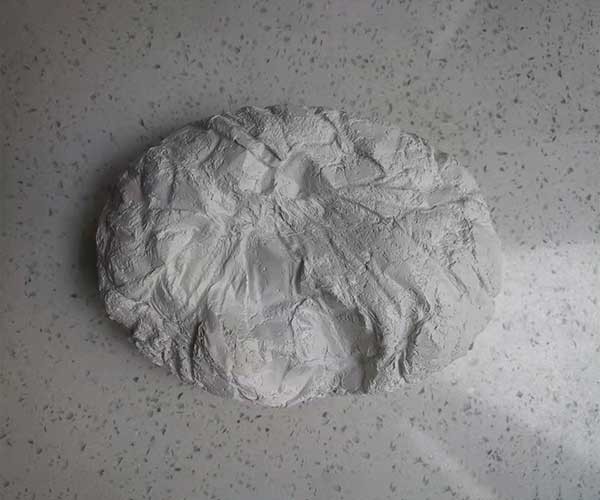
You will find that BMC material stands out because of its unique mix of components and strong physical properties. This material uses short glass fibers, thermoset resin, and fillers. These ingredients work together to create a tough and reliable compound. You can see the main features in the table below:
Component/Property | Description |
|---|---|
Flow Properties | Excellent flow properties help form complex shapes easily. |
Electrical Insulation | High electrical safety is important for many car parts. |
Molding Flexibility | Supports both injection and compression molding for fast production. |
Cost-Effectiveness | Quick molding lowers production costs, great for making many parts. |
Common Applications | Used in brake parts, motor casings, and electrical junction boxes. |
BMC material gives you excellent electrical insulation. It also has high strength and stiffness, so it works well in parts that face mechanical loads. You get dimensional stability, which means parts keep their shape over time. This material resists chemicals and can handle heat up to 350°F (175°C).
Why Automakers Use BMC Material
Automakers choose BMC material for many reasons. You benefit from its heat distortion resistance, which keeps parts safe in hot engine areas. The table below shows more reasons why this material is popular in the automotive industry:
Advantage | Description |
|---|---|
Heat distortion resistance | Keeps parts stable in engine compartments. |
Dimensional stability | Holds shape under vibration and stress. |
Weight reduction | Makes parts lighter, which helps fuel efficiency and EV range. |
Electrical insulation | Protects battery housings and connectors. |
Complex geometries support | Allows for creative and efficient part designs. |
You will see BMC material used in body panels, interior parts, under-hood components, and structural reinforcements. These uses show how this material helps automakers build safer, lighter, and more efficient vehicles.
BMC Material Applications in Automotive
Engine Components
You can find BMC material in many engine parts. Automakers use it for intake manifolds, valve covers, and sensor brackets. These parts face high temperatures and need to stay strong. BMC material helps you reduce the weight of these components by up to 43%. You also get better durability because there are no loose metal pieces that can rattle or break. The material resists engine oil and heat, so your engine parts last longer.
Here are some key benefits you get from using BMC material in engine components:
Lower vehicle weight, which improves fuel efficiency.
Strong resistance to heat and chemicals.
Ability to create complex shapes in one step, which saves time and money.
Benefit | Description |
|---|---|
Lightweight Nature | BMC technology enables the production of lightweight components, contributing to overall vehicle weight reduction. |
Durability | BMC offers high strength and fire resistance, ensuring long-lasting performance in automotive applications. |
Performance Characteristics | BMC's versatility allows for complex designs while maintaining dimensional stability, enhancing overall component performance. |
Electrical and High-Voltage Parts
You see BMC material used in many electrical and high-voltage parts. In gasoline vehicles, it forms ignition coil housings and fuse boxes. In electric vehicles, you find it in motor end caps, battery module brackets, and power distribution unit (PDU) housings. These parts need to keep you safe from electric shocks and fires.
BMC material gives you excellent electrical insulation and flame retardancy. It meets strict safety standards, including 800V high-voltage requirements. The material also reduces the risk of thermal runaway in electric vehicles.
Application Area | Description |
|---|---|
Circuit Breaker Components | Used in housings, arc chutes, and insulating supports, providing arc resistance and thermal stability. |
Switchgear and Control Systems | Utilized for switch bases and insulating plates, ensuring consistency in mass production. |
Electrical Enclosures | Ideal for outdoor boxes due to resistance to UV, moisture, and temperature variations. |
Terminal Blocks and Connectors | Ensures electrical isolation while maintaining structural rigidity under mechanical stress. |
Motor Components | Employed in brush holders and end covers, effective in heat and vibration conditions. |
Tip: BMC material helps you meet electrical safety standards because it has high insulation strength and resists flames.
Automotive Lighting
You can use BMC material to make headlamp reflectors and lamp holders. These parts must stay stable under high heat from the bulbs. BMC material has a very low thermal expansion rate, so your lights do not distort or lose focus. The material also supports direct vacuum aluminum plating, which makes mass production easier.
When you use BMC material for lighting, you get:
Over 50% weight reduction in reflectors.
Stable light performance, even at high temperatures.
Fast and efficient production for large numbers of parts.
Structural and Trim Parts
You find BMC material in many structural and trim parts inside and outside the car. Automakers use it for body panels, interior trim, and under-hood covers. These parts need to be strong, lightweight, and keep their shape over time.
BMC material gives you:
High strength for safety and support.
Dimensional stability, so parts do not warp or crack.
A smooth finish that looks good and lasts long.
You can trust BMC material to help you build cars that are lighter, safer, and more efficient.
Advantages of BMC Material
Lightweight and Efficiency
You can make your car lighter by using BMC material. This material replaces heavy metals in many parts. When you switch to BMC, you can reduce the weight of certain components by 25-35%. Lighter cars use less fuel and electric vehicles can travel farther on a single charge. You help the environment by lowering carbon emissions. Many experts agree that BMC material meets the high standards for reliability and precision in the automotive industry.
Tip: Lighter vehicles not only save energy but also improve handling and acceleration.
Heat and Chemical Resistance
You need parts that can handle tough conditions under the hood. BMC material stands up to high temperatures, even up to 204°C (400°F). It does not warp or lose strength when exposed to engine oil or other fluids. You can trust it to keep its shape and performance, even during temperature changes or chemical spills.
Material Type | Resistance to Automotive Fluids and Chemicals | Weight Reduction | Mechanical Performance |
|---|---|---|---|
BMC Materials | Excellent | Significant | Excellent |
Traditional Metals | Moderate | None | Good |
Electrical Insulation and Safety
You want your car to be safe, especially around electrical parts. BMC material gives you excellent electrical insulation. It meets strict safety standards like UL 94 V-0 for flame retardancy and passes glow wire tests at 960°C. You get high dielectric stability, which means less risk of electric shock or fire. This makes BMC a top choice for battery housings, fuse boxes, and motor covers.
UL 94 V-0 flammability rating
Glow Wire Index of 960°C
High tensile strength
Manufacturing and Cost Benefits
You can produce complex shapes with BMC material because it flows easily into molds. This helps you make detailed parts with precise tolerances and a smooth surface finish. You save money because BMC works well for medium to high-volume production. The process gives you high repeatability, so every part meets your quality standards.
Advantage | Description |
|---|---|
High repeatability and precision | Ensures consistent quality in mass production. |
Cost-effective for large volumes | Reduces overall production costs. |
High-quality surface finish | Lowers the need for extra finishing work. |
You get strong, reliable, and cost-effective parts for your vehicles.
BMC Material vs. Other Automotive Materials
BMC vs. Metals (Steel, Aluminum)
You often see automakers use steel and aluminum for car parts. These metals give you high strength and durability. However, they add a lot of weight to your vehicle. When you switch to BMC material, you get a lighter car. BMC can reduce the weight of some parts by up to 50%. This helps you save fuel and increase the range of electric vehicles.
BMC also resists heat and chemicals better than many metals. Steel can rust, and aluminum can corrode in harsh conditions. BMC does not rust or corrode, so your parts last longer. You can also shape BMC into complex forms in one step. This makes production faster and lowers costs.
Here is a quick comparison:
Feature | BMC Material | Steel/Aluminum |
|---|---|---|
Weight | Very low | High |
Corrosion Resistance | Excellent | Moderate to Good |
Heat Resistance | High | High |
Shape Complexity | Very high | Moderate |
Production Cost | Lower | Higher |
Note: You can use BMC to make parts that are both strong and light. This supports the trend toward lighter, more efficient vehicles.
BMC vs. Other Composites
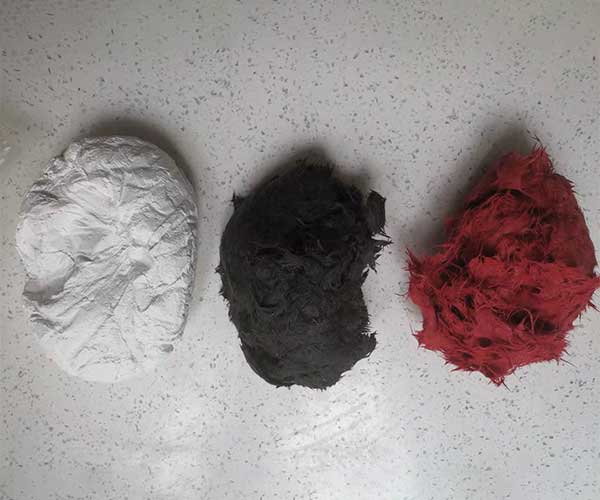
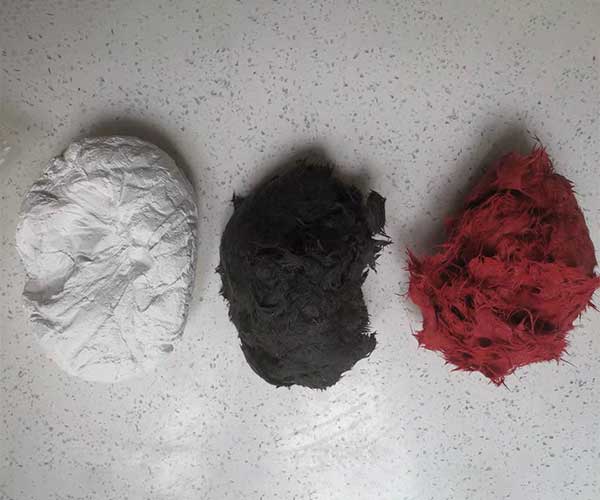
You may wonder how BMC compares to other composite materials. BMC stands for Bulk Molding Compound. It uses resin, chopped glass fibers, mineral fillers, and additives. This mix gives BMC a dough-like texture. You can mold it into small, complex shapes easily.
Other composites, like SMC (Sheet Molding Compound), use longer glass fibers. SMC works better for large parts that need extra strength and stiffness. You should choose BMC for smaller, detailed parts. SMC fits best for big panels or structural pieces.
Here are the main differences:
BMC is best for small, complex components.
SMC has longer fibers and higher reinforcement, so it is stronger.
You get better detail and surface finish with BMC.
SMC is heavier but gives you more strength for large parts.
You can pick the right material based on your needs. If you want light, detailed parts, BMC is a smart choice. If you need big, strong panels, SMC works better.
You see BMC material used in engine parts, electrical systems, lighting, and trim. This material helps you build lighter cars that use less energy and stay safe. Experts highlight key benefits and applications:
Advantage/Application | Description |
|---|---|
Weight Reduction | Makes vehicles lighter for better efficiency. |
Structural Integrity | Keeps parts strong under stress. |
Heat Resistance and Insulation | Handles heat and protects electrical systems. |
Performance Enabler | Supports modern automotive designs. |
Adaptation to Electrification | Meets new demands for electric vehicles. |
You notice new trends shaping the future:
The BMC market may reach USD 1.9 billion by 2030.
Demand grows as automakers seek lightweight, durable parts for electric vehicles.
Innovations and sustainability efforts increase adoption.
Smart technologies and recyclable materials make BMC material even more important.
FAQ
What does BMC stand for in automotive materials?
BMC stands for Bulk Molding Compound. You see it used for making strong, lightweight car parts. It combines glass fibers, resin, and fillers.
Why should you choose BMC material for electric vehicles?
You get excellent electrical insulation and flame resistance with BMC. This material helps you meet safety standards for high-voltage systems in electric cars. It also reduces weight.
Can BMC material handle high temperatures?
Yes! You can trust BMC to resist heat up to 204°C (400°F). It keeps its shape and strength in engine compartments and lighting systems.
Which car parts use BMC material the most?
Intake manifolds
Valve covers
Battery module brackets
Headlamp reflectors
Fuse boxes
You find BMC in both gasoline and electric vehicles.
Is BMC material environmentally friendly?
You help lower carbon emissions by using BMC. Lighter cars use less fuel or battery power. This supports a cleaner environment.