


 yomi@rulecomposite.com



What is gelcoat resin used for
 Jul 31, 2025|
 View:2897
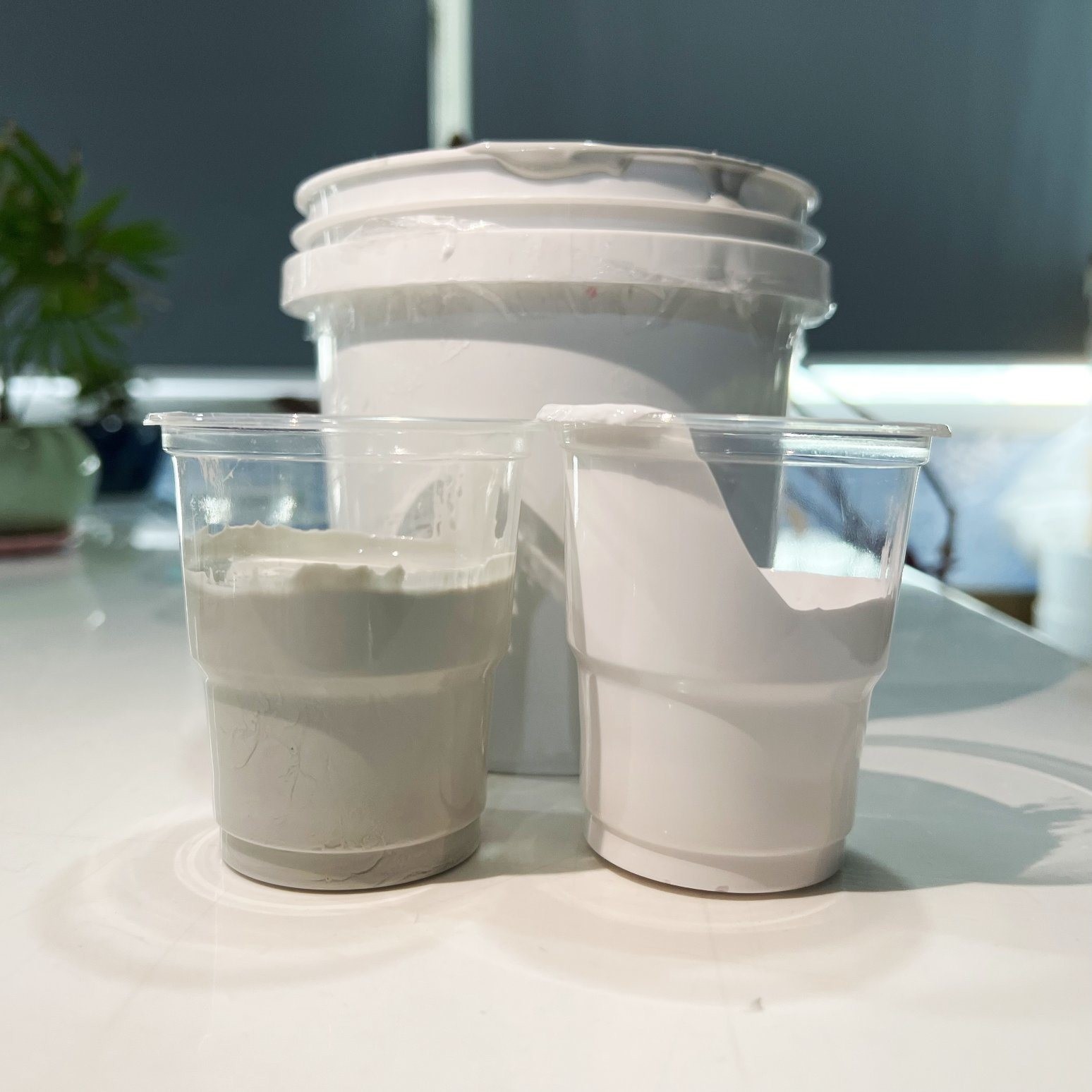
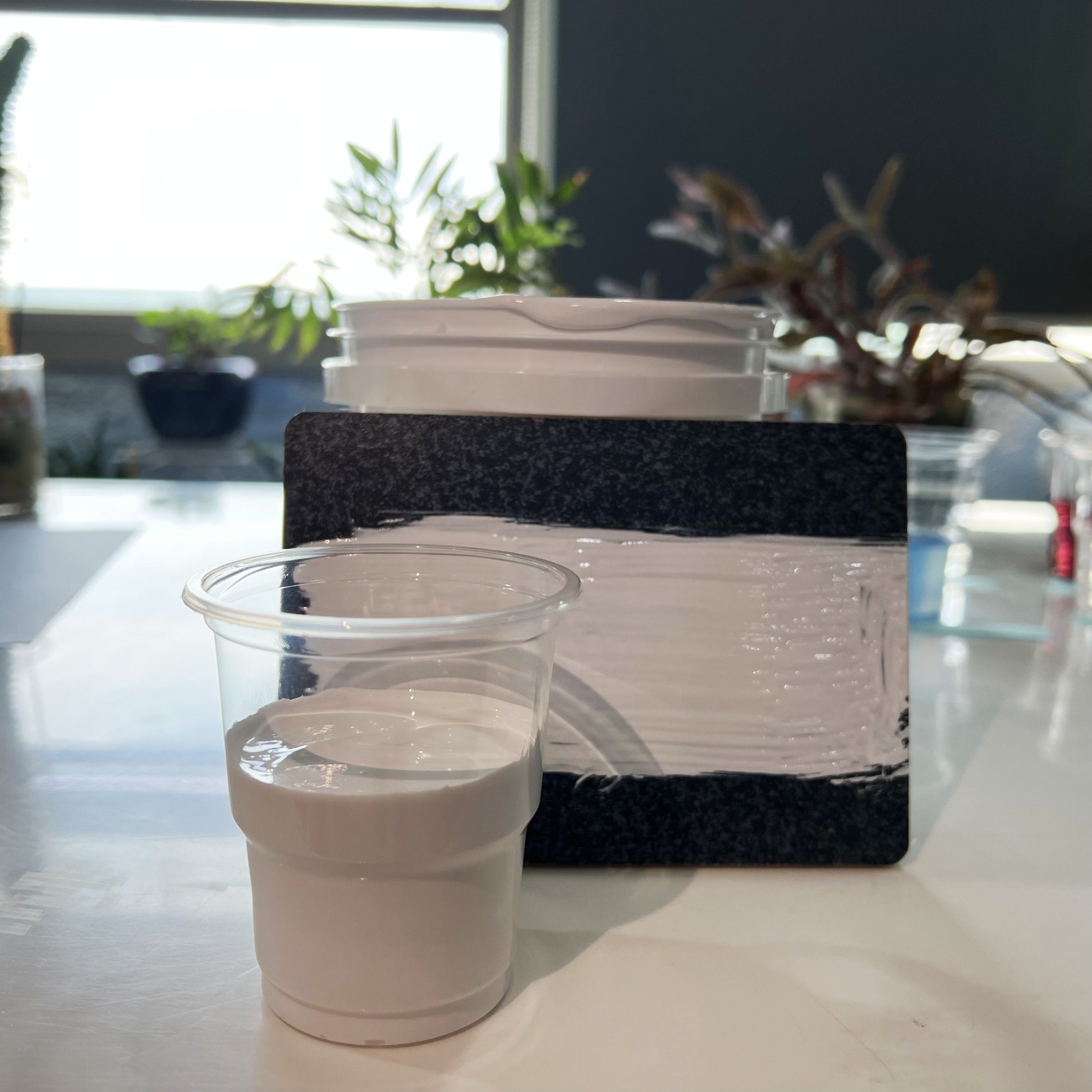
Gelcoat resin, a specialized pigmented polyester resin with unique surface-curing properties, plays a pivotal role in enhancing the durability and aesthetics of composite materials. Its applications span across industries where weather resistance, chemical stability, and surface finish are critical, ranging from marine vessels to sanitary ware and renewable energy infrastructure.
Marine Industry: The Cornerstone of High-Performance Watercraft
In the marine sector, gelcoat resin is indispensable for crafting premium yachts, fishing boats, and lifeboats. For instance, INEOS Composites' Maxguard™ NP series, formulated with low-styrene emission technology, achieves a Barcol hardness of 45–50 while maintaining excellent UV and water resistance. These resins are certified by Lloyd’s Register and the China Classification Society, ensuring compliance with stringent maritime standards. The Maxguard™ SX variant, engineered for hulls and decks, reduces ice adhesion strength by 56% when modified with functionalized octaspherosilicates, making it ideal for Arctic-class vessels. This innovation addresses the industry’s longstanding challenge of ice accumulation, which can increase fuel consumption by up to 30% and compromise structural integrity.
A real-world case is Evergreen Chemicals’ TC-31 gelcoat, widely used in boat manufacturing for its 12 kJ/m³ impact resistance and 68 MPa tensile strength. Its iso-type polyester formulation ensures minimal water absorption (≤0.5% after 24 hours), preventing osmotic blistering—a common failure mode in marine composites.

Sanitary Ware: Elevating Aesthetics and Durability
Gelcoat resins are revolutionizing the production of high-end bathtubs, shower trays, and spa pools. INEOS’ Maxguard™ GN series, with a heat deflection temperature (HDT) of 180°C, resists yellowing under prolonged UV exposure, a critical requirement for outdoor spas. These resins are formulated to withstand chlorine concentrations up to 5 ppm, making them suitable for commercial swimming pools. The Aropol™ AF 50402 acrylic bonding resin, another innovation, enables seamless adhesion between gelcoat layers and acrylic sheets, achieving a peel strength of 12 N/mm in bathtub applications.
Manufacturers like TOTO and Kohler leverage gelcoat technology to create marble-like finishes with 90% lower VOC emissions compared to traditional gelcoats. The Enguard™ GE series, certified by the China Fisheries Vessel Inspection Bureau, demonstrates how regulatory compliance and performance can coexist—a trend driven by EU’s REACH and California’s Proposition 65.
Renewable Energy: Mitigating Environmental Challenges
Wind turbine blades, exposed to temperatures ranging from -40°C to 80°C, rely on gelcoat resins for erosion resistance. A 2024 study in Colloids and Surfaces A revealed that modifying gelcoats with octaspherosilicates reduces ice adhesion strength from 345 kPa to 152 kPa, extending blade lifespan by 5–7 years. Similarly, solar panel frames coated with UV-stabilized gelcoats retain 95% of their original gloss after 5,000 hours of accelerated aging tests, outperforming epoxy alternatives by 300%.
Industrial Applications: Beyond Aesthetics
In the automotive sector, gelcoat resins enable the production of lightweight, corrosion-resistant truck fenders. BASF’s Palapreg® P55-03, a vinyl ester-based gelcoat, withstands 1,000 hours of salt spray testing without blistering, making it suitable for offshore equipment. The aerospace industry utilizes gelcoats modified with carbon nanotubes to achieve thermal conductivity of 15 W/m·K, critical for hypersonic vehicle components.
Conclusion
Gelcoat resin’s versatility stems from its ability to balance aesthetics, durability, and functionality. From marine vessels navigating polar ice to wind turbines harnessing renewable energy, this material consistently demonstrates its value across extreme environments. Innovations like low-styrene formulations, icephobic modifiers, and high-temperature stability are expanding gelcoat resin’s applications while addressing sustainability concerns. As industries prioritize circular economy principles, the development of bio-based gelcoats—derived from plant oils and recycled PET—signals a new era of eco-conscious manufacturing. Ultimately, gelcoat resin remains a cornerstone of composite engineering, enabling designers to push the boundaries of what is possible while ensuring long-term performance and environmental responsibility.