


 yomi@rulecomposite.com



Is vinyl ester resin waterproof
 Jul 11, 2025|
 View:2647
Vinyl ester resin (VER), a high-performance thermosetting resin derived from the reaction of epoxy resins with unsaturated monocarboxylic acids, has gained global recognition for its exceptional corrosion resistance. Among its key attributes, waterproofing stands out as a critical factor for applications in marine environments, chemical storage, wastewater treatment, and infrastructure exposed to moisture. This article delves into the molecular structure, chemical properties, and real-world performance of vinyl ester resin to answer the question: Is vinyl ester resin truly waterproof?
Molecular Structure: The Foundation of Waterproofing
The waterproofing capability of vinyl ester resin stems from its unique molecular design. Unlike conventional unsaturated polyester resins (UPR), where reactive double bonds are distributed along the polymer chain, vinyl ester resin features double bonds exclusively at the molecular chain ends. This end-capped structure minimizes ester bond density—a vulnerability in polyester resins—by reducing ester groups per mole by 35–50% compared to UPR.
A pivotal innovation is the incorporation of methyl groups adjacent to ester bonds, as seen in standard bisphenol A-based vinyl ester resins. These methyl groups act as chemical shields, protecting ester linkages from hydrolysis. For instance, when exposed to water, the steric hindrance provided by methyl groups prevents water molecules from attacking ester bonds, thereby enhancing long-term stability in humid or submerged conditions.
Chemical Resistance: Beyond Surface Protection
Waterproofing is not merely about repelling water but also resisting degradation caused by water-borne contaminants. Vinyl ester resin excels in this regard due to its low crosslink density and high glass transition temperature (Tg). Phenolic novolac-modified vinyl ester resins, for example, achieve Tg values of 120–135°C, enabling them to withstand boiling water and steam without softening or cracking.
In industrial settings, vinyl ester resin-lined tanks storing sulfuric acid or sodium hydroxide demonstrate negligible weight gain after years of service, underscoring their impermeability to both water and aggressive chemicals. This performance is attributed to the resin’s ability to form a dense, crosslinked network that blocks water ingress while maintaining structural integrity under thermal stress.
Performance in Real-World Applications
1.Marine Structures:
Offshore platforms and boat hulls coated with vinyl ester resin exhibit superior resistance to saltwater osmosis and blister formation compared to polyester-based alternatives. A case study on oil rigs in the North Sea revealed that vinyl ester resin coatings reduced maintenance costs by 40% over a decade, primarily due to their waterproofing properties.
2.Wastewater Infrastructure:
Sewer pipes and manholes reinforced with vinyl ester resin glass fiber composites have a service life exceeding 50 years, even in acidic or alkaline wastewater environments. The resin’s low water absorption rate (typically <1.5% by volume) prevents microbial growth and corrosion, ensuring long-term durability.
3.Chemical Storage:
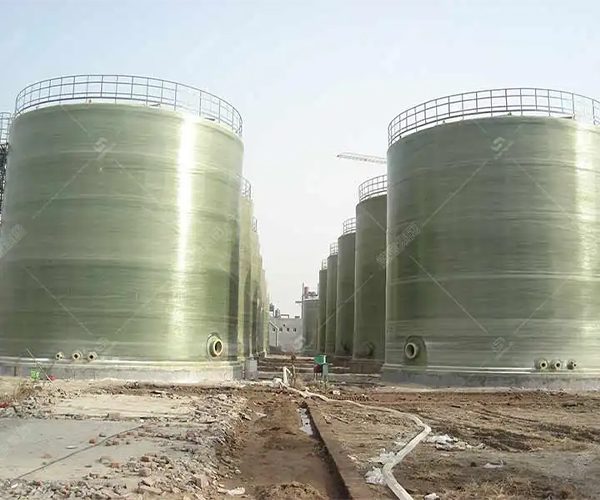
Tanks lined with brominated fire-retardant vinyl ester resin resist leakage of chlorinated solvents and fuels, thanks to the resin’s hydrophobic nature and chemical inertness.
Limitations and Mitigations
While vinyl ester resin is highly waterproof, its performance can be influenced by factors such as curing conditions and additive selection. Incomplete curing may leave residual styrene monomers, creating micro-porosities that compromise waterproofing. However, advanced formulations incorporating low-profile additives (LPAs) or nano-fillers can eliminate voids, achieving near-zero water absorption.
Additionally, prolonged exposure to UV radiation may degrade surface resins, but this can be mitigated with UV-stable topcoats.
Conclusion
Vinyl ester resin stands as a premier waterproofing material, combining molecular innovation with proven industrial performance. Its end-capped structure, methyl-protected ester bonds, and high thermal stability enable it to outperform traditional resins in moisture-critical applications. From marine vessels to chemical plants, vinyl ester resin’s ability to resist water ingress, hydrolysis, and chemical attack ensures reliability and longevity. As industries demand materials that can withstand harsher environments, vinyl ester resin will continue to be the cornerstone of waterproofing solutions, driving advancements in corrosion protection and sustainable infrastructure.