



 yomi@rulecomposite.com



What is the difference between saturated polyester resin and unsaturated polyester resin
 Aug 21, 2025|
 View:3072
Polyester resins are a crucial class of polymers widely used in various industries, from coatings and adhesives to composite materials and 3D printing. Among them, saturated polyester resin and unsaturated polyester resin are two prominent types, each with unique properties and applications. Understanding the differences between these two resins is essential for selecting the right material for specific projects, ensuring optimal performance and cost-effectiveness.
What is Saturated Polyester Resin?
Saturated polyester resin is a type of polymer where the polymer chain consists entirely of saturated carbon-carbon bonds. These bonds are fully hydrogenated, meaning there are no double or triple bonds between carbon atoms within the main chain. This saturation gives the resin its characteristic stability and resistance to chemical degradation.
Saturated polyester resins are typically synthesized through polycondensation reactions between dibasic acids (such as adipic acid or phthalic anhydride) and diols (like ethylene glycol or propylene glycol). The resulting polymers are linear or slightly branched, with high molecular weights that contribute to their excellent mechanical properties.
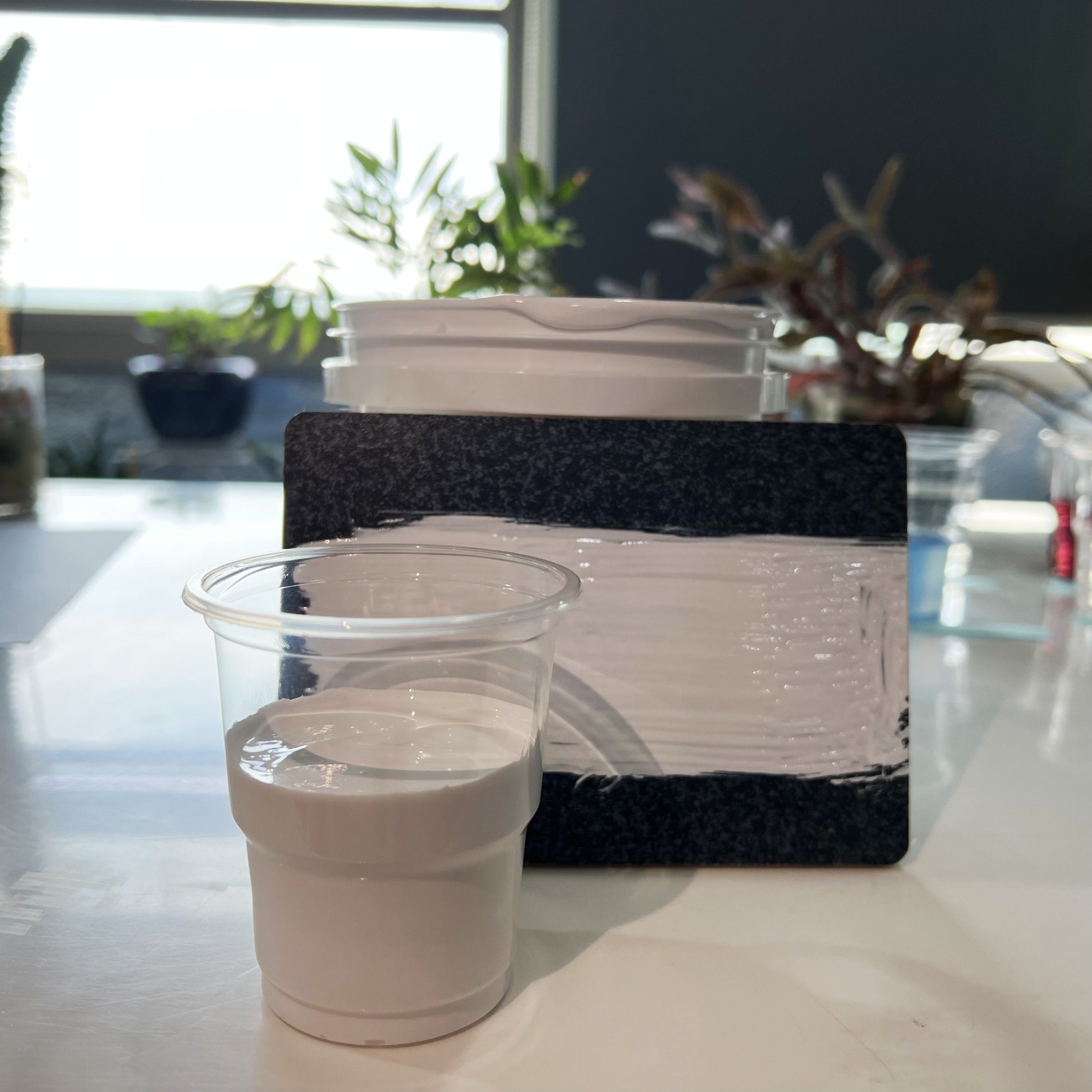
These resins are known for their outstanding weather resistance, chemical stability, and good adhesion to various substrates. They are commonly used in coatings, particularly in automotive and industrial finishes, where durability and long-term performance are critical. Saturated polyester resins also find applications in adhesives, inks, and as binders in powder coatings.

What is Unsaturated Polyester Resin?
Unsaturated polyester resin, in contrast, contains unsaturated carbon-carbon double bonds within its polymer chain. These double bonds are typically introduced through the incorporation of unsaturated dibasic acids, such as maleic anhydride or fumaric acid, during the polymerization process. The presence of these double bonds makes the resin reactive and capable of undergoing cross-linking reactions.
Unsaturated polyester resins are usually dissolved in a reactive monomer, such as styrene, which acts as a cross-linking agent. When mixed with a catalyst, such as a peroxide, the resin undergoes a curing process, forming a three-dimensional network structure. This cross-linking enhances the resin's mechanical properties, making it rigid, durable, and resistant to solvents and chemicals.
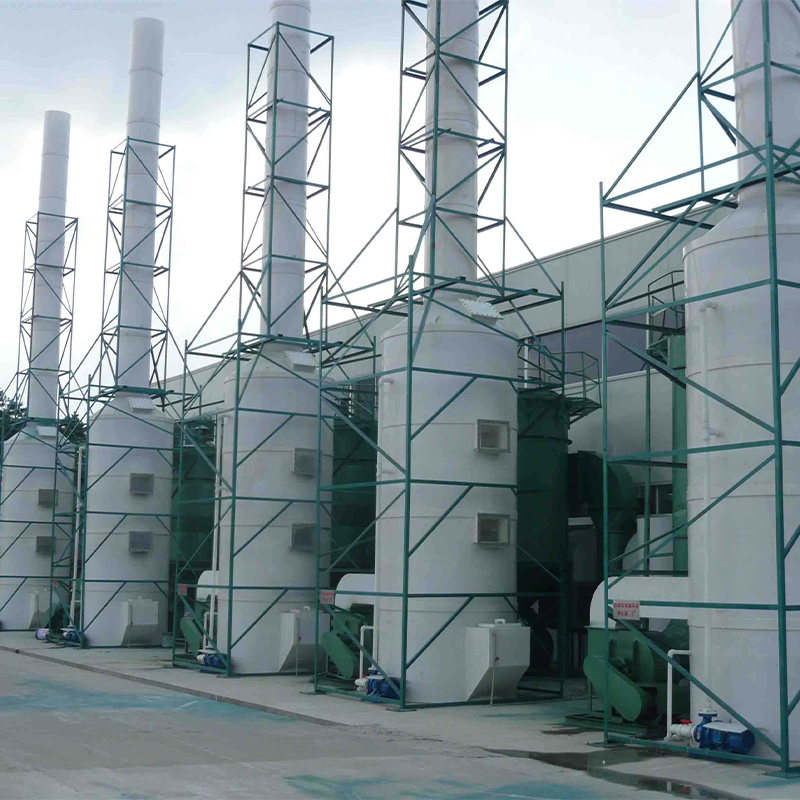
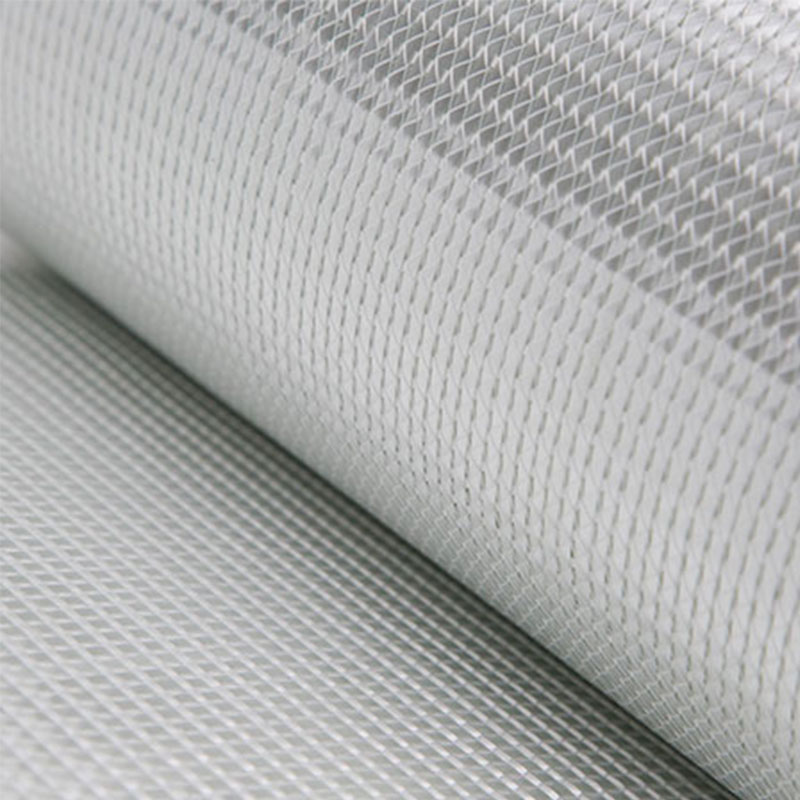
These resins are widely used in the production of fiberglass-reinforced plastics (FRP), commonly found in boat hulls, automotive body panels, and construction materials. They are also used in the manufacture of artificial marble, buttons, and other decorative items.

The Differences Between Saturated and Unsaturated Polyester Resin
1.Chemical Structure:The most fundamental difference lies in their chemical makeup. Saturated polyester resins have polymer chains composed solely of saturated carbon-carbon single bonds, with no double or triple bonds present. In contrast, unsaturated polyester resins contain unsaturated carbon-carbon double bonds within their polymer chains, introduced through unsaturated dibasic acids during polymerization.
2.Reactivity:Saturated polyester resins are relatively inert due to the absence of reactive double bonds. They do not readily undergo cross-linking reactions without the addition of specific modifying agents. Unsaturated polyester resins, however, are highly reactive because of their double bonds. They can cross-link with reactive monomers like styrene in the presence of a catalyst, leading to curing and the formation of a three-dimensional network structure.
3.Mechanical Properties:Saturated polyester resins generally exhibit good flexibility and toughness, along with excellent chemical stability. Their mechanical properties are more consistent over time as they are less prone to degradation. Unsaturated polyester resins, after curing, become rigid and have high strength. The cross-linking process significantly enhances their hardness, making them suitable for applications requiring structural integrity.
4.Applications:Saturated polyester resins are predominantly used in coatings, adhesives, and inks. Their chemical stability and weather resistance make them ideal for protecting surfaces and providing long-lasting finishes in automotive, industrial, and architectural applications. Unsaturated polyester resins are mainly utilized in the production of fiberglass-reinforced plastics (FRP) and other composite materials. Their ability to form rigid structures makes them suitable for boat hulls, automotive body panels, and construction components.
5.Curing Process:Saturated polyester resins do not cure through a cross-linking reaction based on their inherent structure. They may require heat or other external factors to achieve certain property enhancements but do not undergo a radical curing process like unsaturated resins. Unsaturated polyester resins cure through a free-radical polymerization mechanism initiated by a catalyst. This process is relatively fast and allows for the rapid formation of a solid, durable material.
Which is More Worth Choosing?
The choice between saturated and unsaturated polyester resin depends on the application’s requirements:
For Durability and Flexibility: Saturated polyester resin is superior in applications demanding long-term stability, such as outdoor coatings or flexible packaging. Its resistance to environmental degradation ensures longevity without additives.
For Strength and Cost-Effectiveness: Unsaturated polyester resin excels in structural applications where rigidity and strength are paramount. Its lower cost compared to epoxy resins and ability to bond with fibers (e.g., glass, carbon) make it a staple in composites manufacturing.
Environmental Considerations: Unsaturated polyester resin often requires styrene, a volatile organic compound (VOC), for curing, raising environmental concerns. However, advancements in low-VOC formulations and bio-based unsaturated resins are addressing these issues, expanding their sustainability profile.
Conclusion
In summary, saturated and unsaturated polyester resins are two distinct types of polymers with unique properties and applications. Saturated polyester resins offer excellent chemical stability and weather resistance, making them ideal for coatings and adhesives. Unsaturated polyester resins, with their reactive double bonds, are used to produce high-strength composites and decorative items. Understanding these differences is crucial for selecting the right resin for specific applications, ensuring optimal performance and cost-efficiency.
FAQ about unsaturated polyester resin
1.What makes unsaturated polyester resin suitable for fiberglass composites?
Unsaturated polyester resin contains reactive double bonds that cross-link with styrene during curing, forming a rigid, durable structure ideal for FRP applications.
2.How does temperature affect the curing process of unsaturated polyester resin?
Higher temperatures accelerate curing by increasing the reaction rate between the resin and hardener, while lower temperatures may prolong curing time or cause incomplete hardening.
3.Can unsaturated polyester resin be modified for better UV resistance?
Yes, adding UV stabilizers or pigments can enhance its resistance to sunlight degradation, making it suitable for outdoor applications like boat hulls or automotive panels.
4.What safety precautions should be taken when handling unsaturated polyester resin?
Work in a well-ventilated area, wear protective gloves and masks to avoid inhaling styrene vapors, and store the resin away from heat or open flames to prevent combustion.
5.Is unsaturated polyester resin environmentally friendly?
Traditional formulations contain styrene, a VOC, but low-VOC or bio-based alternatives are now available, reducing environmental impact while maintaining performance.
Recent News
1.What are the uses of unsaturated polyester resin
2022-07-252.What are the classifications of unsaturated polyester resin
2022-08-043.What are the characteristics of unsaturated polyester resin
2022-08-264.How is unsaturated polyester resin made
2022-08-315.what is unsaturated polyester resin
2025-03-26