


 yomi@rulecomposite.com



What is sheet molding compound
 Oct 30, 2025|
 View:1936
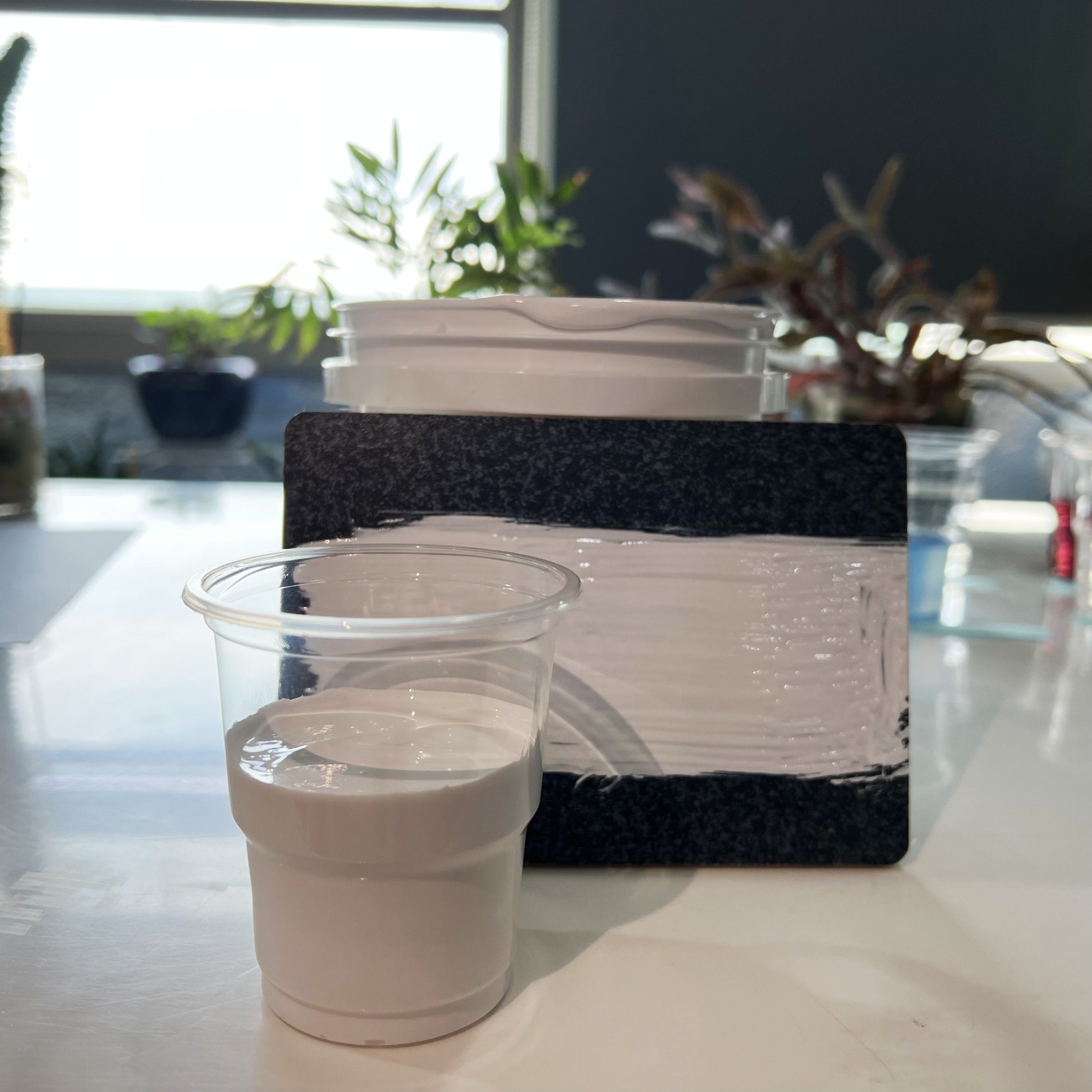
Sheet Molding Compound (SMC) is a high-performance composite material engineered to meet the demands of modern industrial manufacturing. Combining thermosetting resins with reinforcing fibers, SMC is uniquely formulated as a pre-impregnated sheet that can be molded into complex shapes under heat and pressure. This material has revolutionized sectors such as automotive, aerospace, construction, and electrical engineering by offering an unparalleled balance of strength, lightweight design, and cost efficiency. Its widespread adoption stems from its ability to replace traditional materials like metals while maintaining superior mechanical properties and corrosion resistance.
Composition and Structure
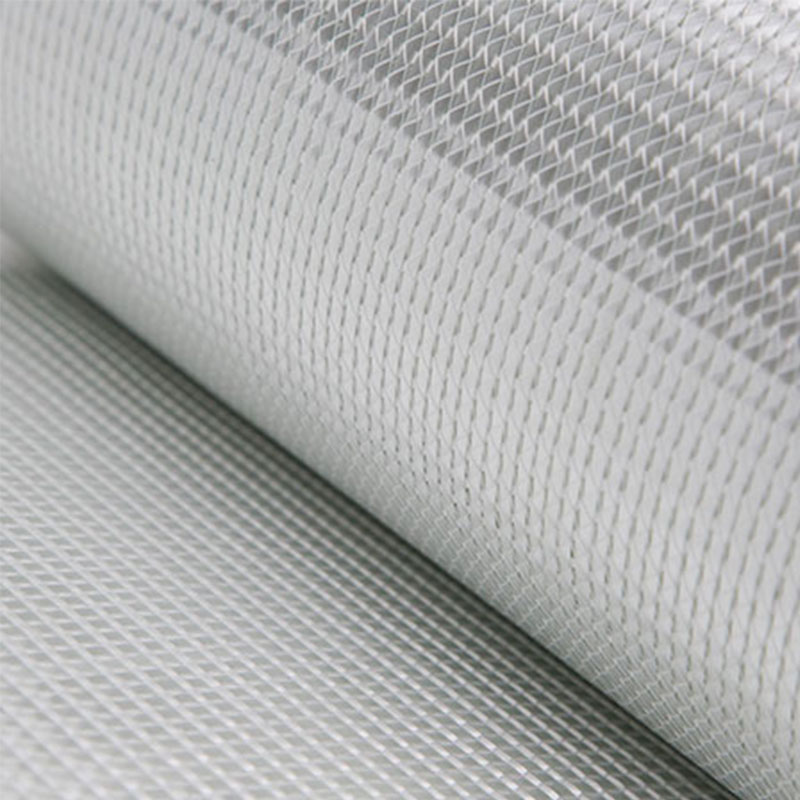
At its core, SMC consists of three primary components: thermosetting resins, reinforcing fibers, and additives. The resin matrix, typically unsaturated polyester, vinyl ester, or epoxy, serves as the binding agent that hardens during the molding process. Reinforcing fibers, usually glass or carbon, are the backbone of SMC, providing tensile strength and rigidity. Unlike Bulk Molding Compound (BMC), which uses shorter chopped fibers (1–12 mm), SMC employs longer fibers (25–50 mm) or even continuous swirl mats, enabling it to achieve higher stiffness and load-bearing capacity. Additives such as fillers (calcium carbonate, aluminum trihydrate), thickeners, catalysts, pigments, and release agents further refine the material’s properties, enhancing flowability, reducing shrinkage, and improving surface finish.
The manufacturing process begins with the preparation of raw materials. Resin paste is spread uniformly onto a polyethylene or polypropylene film, followed by the random placement of chopped fibers. A second film is applied on top, creating a "sandwich" structure that is rolled and matured for 48 hours. This maturation period allows the resin to thicken, ensuring optimal fiber distribution and preventing fiber migration during molding. The final product is a flat sheet weighing up to 1,000 kg per roll, ready for cutting and compression molding.
Key Advantages
1.Mechanical Superiority: SMC components exhibit tensile strengths ranging from 50–125 MPa and flexural strengths of 120–230 MPa, rivaling aluminum alloys while being significantly lighter. This strength-to-weight ratio makes it ideal for structural applications where weight reduction is critical, such as automotive body panels and aerospace components.
2.Design Flexibility: The near-net-shape molding capability of SMC allows for the production of intricate geometries with minimal post-processing. This reduces material waste and machining costs, making it cost-effective for high-volume manufacturing. For example, European railcar interiors leverage SMC’s ability to mold complex shapes in a single step, streamlining assembly and enhancing aesthetic appeal.
3.Corrosion and Environmental Resistance: SMC’s inherent resistance to chemicals, moisture, and UV radiation makes it suitable for harsh environments. Applications include sanitary ware, electrical enclosures, and marine components, where durability is paramount.
4.Electrical Performance: Standard SMC offers excellent electrical insulation, while conductive variants—developed by incorporating graphene nanoplatelets or carbon fibers—enable electrostatic painting without primers. This innovation is pivotal in automotive and electronics industries, where electromagnetic shielding and surface adhesion are critical.
Applications Across Industries
Automotive: SMC dominates the automotive sector, accounting for over 60% of its global consumption. Components like truck beds, roof panels, and engine covers benefit from its lightweight nature, reducing fuel consumption and emissions. The material’s ability to integrate inserts for fastening—such as interlocking stainless steel joints—further enhances assembly efficiency without compromising structural integrity.
Aerospace: Used in aircraft interiors, wing fairings, and landing gear doors, SMC’s high strength-to-weight ratio contributes to fuel efficiency and payload capacity. Its resistance to vibration and fatigue ensures long-term reliability in demanding aerospace environments.
Construction: SMC’s fire retardancy and dimensional stability make it a preferred choice for architectural cladding, roofing systems, and structural beams. Its low maintenance requirements and aesthetic versatility have driven adoption in sustainable building projects.
Electrical and Electronics: From circuit breaker housings to transformer components, SMC’s electrical insulation properties and thermal stability support the development of compact, high-performance devices. Conductive SMC variants are also used in electromagnetic interference (EMI) shielding applications.
Innovations and Future Trends
The evolution of SMC continues with advancements in material science. Researchers are exploring bio-based resins and natural fibers (e.g., flax, hemp) to create eco-friendly SMC variants, addressing sustainability concerns in end-of-life vehicle (ELV) disposal. Additionally, hybrid SMC formulations combining glass and carbon fibers are being developed to optimize cost and performance for specific applications. The integration of smart additives, such as self-healing agents or sensors, could further expand SMC’s role in Industry 4.0 and smart manufacturing ecosystems.
Conclusion
Sheet Molding Compound stands as a cornerstone of modern composite engineering, offering a versatile, cost-effective, and high-performance solution for industries seeking to innovate while reducing environmental impact. Its unique combination of mechanical strength, design flexibility, and resistance to environmental degradation ensures its relevance in an era where lightweighting, sustainability, and efficiency are paramount. As material science advances, Sheet Molding Compound will continue to evolve, driving breakthroughs in automotive electrification, aerospace lightweighting, and green construction. Whether in the form of standard SMC for mass production or specialized variants for niche applications, this material remains a testament to the power of composite engineering in shaping the future of industry.