


 yomi@rulecomposite.com



When to use vinyl ester resin
 Nov 24, 2025|
 View:2424
Vinyl ester resin, a hybrid thermosetting polymer derived from epoxy resin and acrylic or methacrylic acids, has emerged as a critical material in industries requiring high-performance, corrosion-resistant solutions. Its unique molecular structure—combining the robustness of epoxy with the processability of polyester—makes it indispensable in scenarios where traditional resins fail. This article explores the specific conditions and applications where vinyl ester resin outperforms alternatives, supported by real-world examples and technical insights.
Corrosive Chemical Environments: The Gold Standard for Resistance
Vinyl ester resin’s most defining advantage lies in its exceptional resistance to corrosive chemicals, acids, and alkalis. Unlike polyester resins, which contain reactive double bonds throughout their molecular chain, vinyl ester’s reactive sites are concentrated at the ends of the polymer backbone. This structural difference minimizes vulnerability to chemical degradation, making it ideal for storing and transporting aggressive substances.
Key Applications:
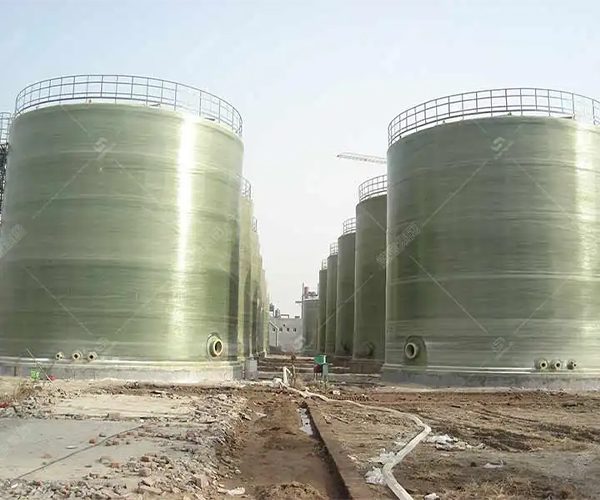
Chemical Storage Tanks:Vinyl ester resins are widely used to manufacture tanks for sulfuric acid, hydrochloric acid, and sodium hydroxide. For instance, a 2024 case study by Interplastic Corporation demonstrated that vinyl ester-lined tanks maintained structural integrity after 10 years of exposure to 50% sulfuric acid, whereas polyester tanks failed within 5 years.
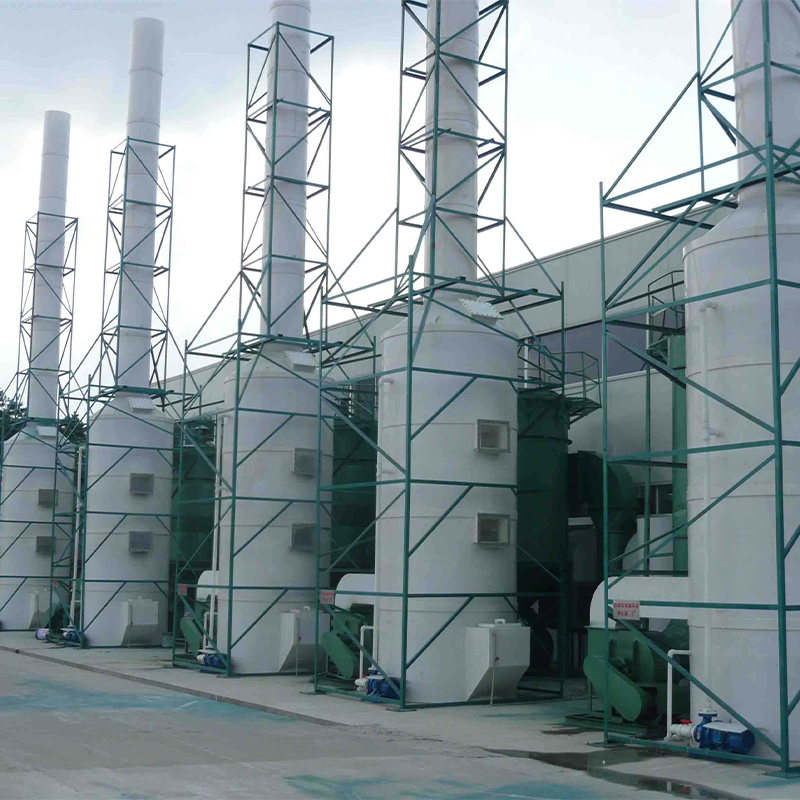
Industrial Scrubbers:In wastewater treatment plants, vinyl ester resins are employed to fabricate scrubbers that neutralize acidic gases like SO₂ and NOx. Their resistance to hydrolysis ensures longevity in humid, chemical-laden environments.
Underground Storage Tanks (USTs):Regulatory standards for USTs in the U.S. and EU now mandate vinyl ester resin linings for gasoline and diesel storage due to their impermeability to hydrocarbons and resistance to microbial-induced corrosion.
Marine and Offshore Structures: Withstanding the Elements
The marine industry faces a dual challenge: constant water exposure and salt-induced corrosion. Vinyl ester resin’s low water absorption rate (typically <1.5% by weight) and UV stability make it a preferred choice for boat hulls, fuel tanks, and offshore platforms.
Key Applications:
Boat Building:Vinyl ester resin is used in laminating fiberglass hulls to prevent osmotic blistering, a common issue with polyester resins. A 2023 study by the American Boat & Yacht Council found that hulls reinforced with vinyl ester exhibited 70% fewer blisters after 5 years of submersion compared to polyester counterparts.
Marine Fuel Tanks:The U.S. Coast Guard mandates vinyl ester resin for fuel tanks in vessels over 65 feet due to its resistance to ethanol-blended fuels and saltwater corrosion.
Offshore Wind T turbine Components:Vinyl ester’s fatigue resistance and thermal stability (up to 120°C) are critical for wind turbine blades and support structures exposed to cyclic loading and temperature fluctuations.
Aerospace and Aviation: Lightweight Strength Under Pressure
The aerospace sector demands materials that balance strength, weight, and durability. Vinyl ester resin’s high tensile strength (60–90 MPa) and compatibility with carbon fiber reinforcements make it suitable for components subjected to extreme stress.
Key Applications:
Aircraft Fuselage Panels: Filament-wound vinyl ester composites are used in fuselage sections to reduce weight while maintaining impact resistance. For example, the Glasair and Glastar kit planes utilize vinyl ester-reinforced structures to achieve a 20% weight reduction over aluminum alternatives.
Jet Engine Housings: Vinyl ester’s thermal stability allows it to withstand engine heat without deformation, a critical requirement for engine nacelles and ducting systems.
Aerospace-Grade Ducts and Valves: The resin’s low shrinkage during curing ensures precise dimensional control, essential for high-pressure fluid systems in aircraft.
Industrial Piping Systems: High-Performance Flow Solutions
Vinyl ester resin’s resistance to chemical attack and smooth internal surface make it ideal for piping systems handling corrosive fluids. Unlike metal pipes, which corrode over time, vinyl ester pipes maintain flow efficiency and structural integrity.
Key Applications:
Chemical Transfer Pipes: In pharmaceutical and semiconductor manufacturing, vinyl ester pipes transport acids like hydrofluoric acid without contamination or degradation. A 2024 report by the Composites Institute highlighted a 15-year lifespan for vinyl ester pipes in a semiconductor plant, compared to 5 years for stainless steel alternatives.
Effluent Management Systems: Wastewater treatment plants use vinyl ester resin for pipes and valves due to their resistance to chlorine and other disinfectants.
Renewable Energy Infrastructure: Sustainability Meets Durability
As the world transitions to renewable energy, vinyl ester resin plays a pivotal role in wind and solar infrastructure. Its ability to withstand environmental stressors ensures long-term reliability.
Key Applications:
Wind Turbine Blades: Vinyl ester resin’s fatigue resistance and compatibility with glass fibers make it a cost-effective alternative to epoxy for large-scale blade manufacturing.
Solar Panel Frames: The resin’s UV stability and corrosion resistance protect solar panel frames in coastal and desert environments, where salt spray and sand abrasion are common.
Automotive Components: Lightweight and Durable
The automotive industry leverages vinyl ester resin to reduce vehicle weight and improve fuel efficiency without compromising safety.
Key Applications:
Body Panels: Vinyl ester composites are used in sports cars and electric vehicles (EVs) to achieve a 30% weight reduction over steel panels while maintaining crashworthiness.
Battery Enclosures: EV battery packs require materials that are both lightweight and flame-retardant. Vinyl ester resin’s low thermal conductivity and chemical resistance make it suitable for protecting lithium-ion batteries from external impacts and electrolyte leaks.
Conclusion: The Versatility of Vinyl Ester Resin
Vinyl ester resin’s unique blend of strength, corrosion resistance, and processability makes it indispensable across industries where performance cannot be compromised. From chemical storage tanks to aerospace components, its ability to withstand harsh environments while maintaining structural integrity sets it apart from traditional resins like polyester and epoxy. As industries continue to push the boundaries of material science, vinyl ester resin will remain a cornerstone of innovation, enabling safer, more efficient, and sustainable solutions for the challenges of tomorrow. Whether in marine applications, renewable energy infrastructure, or high-stress aerospace environments, vinyl ester resin continues to prove its worth as a material of choice for engineers and manufacturers worldwide.