


 yomi@rulecomposite.com



Is vinyl ester resin better than epoxy resin
 Oct 29, 2025|
 View:6232
The debate over whether vinyl ester resin outperforms epoxy resin has persisted for decades in industries ranging from marine construction to aerospace engineering. Both thermosetting polymers are celebrated for their durability and chemical resistance, yet their distinct molecular structures and curing mechanisms lead to divergent performance in specific applications. This article dissects the technical properties, industrial applications, and comparative advantages of these two resins, aiming to clarify which material is superior under varying conditions.
What Is Vinyl Ester Resin?
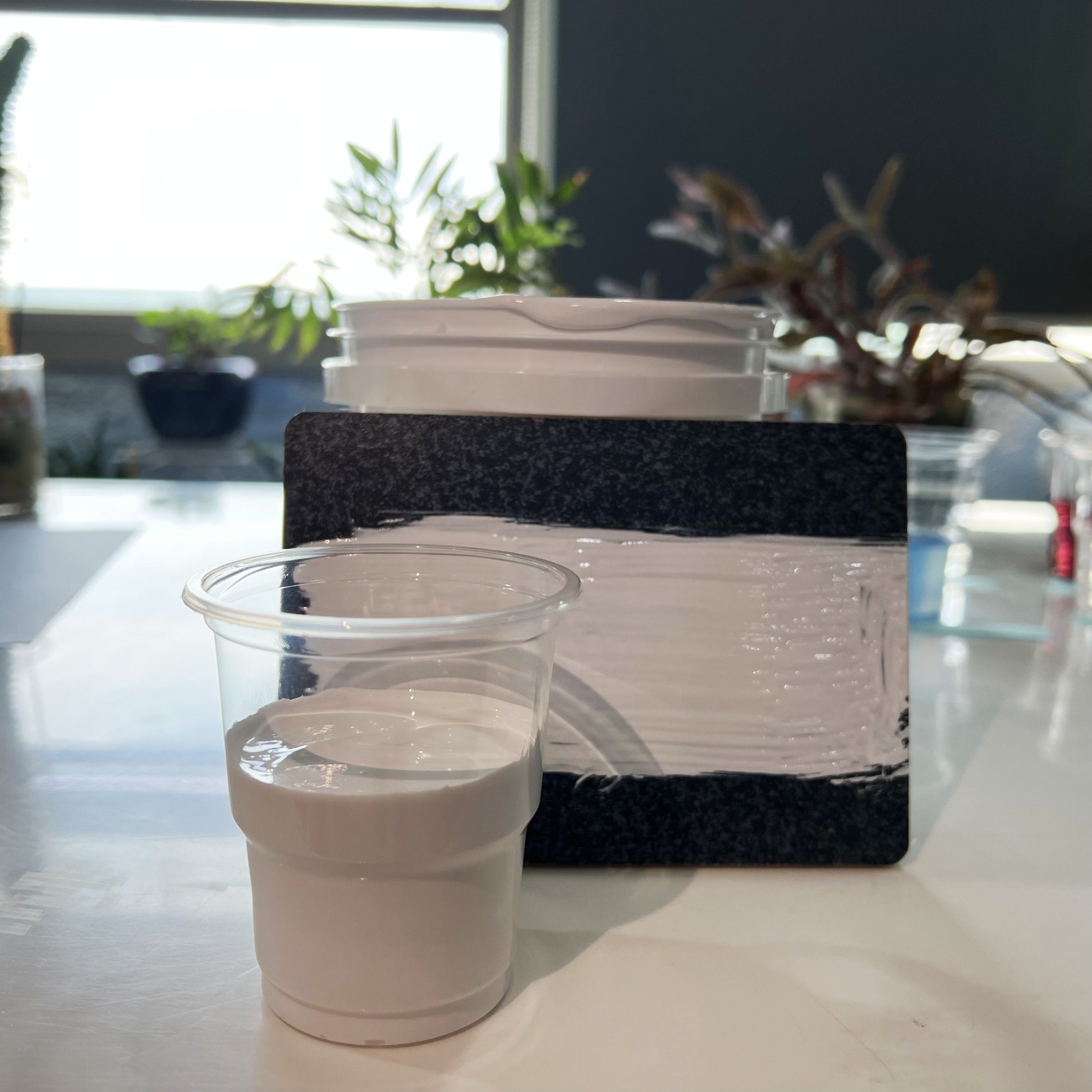
Vinyl ester resin is a hybrid polymer synthesized through the esterification of epoxy resin with acrylic or methacrylic acids. This process introduces reactive "vinyl" groups at the ends of polymer chains, which are stabilized with inhibitors to prevent premature polymerization. The resulting diester is dissolved in a reactive solvent like styrene to form a 35–45% by-weight solution, enabling controlled polymerization via free-radical initiation (e.g., UV light or peroxides).
Key Characteristics
1.Molecular Structure: Longer polymer chains with terminal vinyl groups reduce cross-link density compared to polyester resins, enhancing impact absorption and reducing delamination risks.
2.Mechanical Properties: Vinyl ester exhibits 20–30% higher tensile strength than polyester and superior elongation at break (5–8% vs. 2–4% for polyester), making it more resilient to dynamic loads.
3.Chemical Resistance: The epoxy backbone imparts resistance to acids, alkalis, and oxidizing agents, with water absorption rates 40% lower than polyester.
4.Processability: Cures at room temperature with methyl ethyl ketone peroxide (MEKP), eliminating the need for oven baking. It is widely used in hand lay-up and spray-up processes for boat hulls, chemical storage tanks, and automotive components.
Industrial Applications
Marine Industry: Over 70% of recreational boat hulls use vinyl ester for its balance of strength and cost.
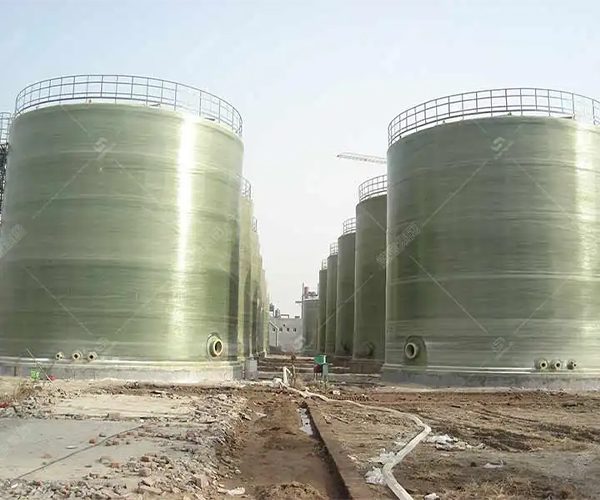
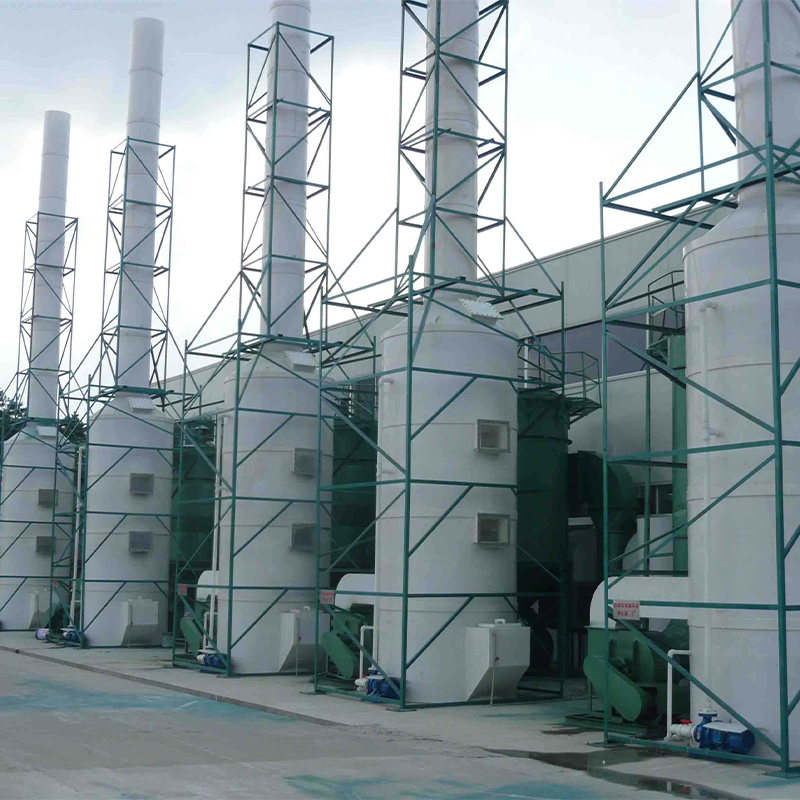
Chemical Processing: FRP tanks and pipes handling corrosive substances rely on its durability.
Aerospace: Lightweight composite structures in homebuilt aircraft (e.g., Glasair and Glastar models) leverage its fatigue resistance.
What Is Epoxy Resin?
Epoxy resin is a thermosetting polymer containing at least two epoxide groups per molecule. When reacted with hardeners (e.g., amines, anhydrides), it forms a dense three-dimensional network with exceptional mechanical and adhesive properties.
Key Characteristics
1.Molecular Structure: High cross-link density results from the reaction of epoxide groups with multifunctional hardeners, yielding a rigid, glassy matrix.
2.Mechanical Properties: Epoxy achieves tensile strengths of 70–90 MPa (vs. 50–70 MPa for vinyl ester) and bonding strengths up to 2,000 psi (vs. 500 psi for vinyl ester).
3.Thermal Stability: Withstands continuous temperatures up to 150°C, compared to 120°C for vinyl ester.
Adhesion: Exhibits superior bonding to metals, ceramics, and composites due to polar epoxide groups.
Industrial Applications
Aerospace: Carbon fiber composites in aircraft wings and fuselages (e.g., Boeing 787) use epoxy for its high strength-to-weight ratio.
Electronics: Encapsulates semiconductors and printed circuit boards, providing thermal stability and electrical insulation.
Civil Engineering: Strengthens concrete structures via carbon fiber wraps, withstanding seismic loads.
Is Vinyl Ester Resin Better Than Epoxy Resin?
The answer hinges on application-specific requirements:
1.Cost vs. Performance Trade-offs
Vinyl Ester: Costs 15–25% less than epoxy, making it preferable for large-scale projects like chemical tanks or marine vessels where moderate performance suffices.
Epoxy: Justified in high-stakes applications (e.g., aerospace, medical devices) where failure risks outweigh cost concerns.
2.Environmental Resistance
Vinyl Ester: Excels in humid or chemically aggressive environments (e.g., offshore platforms) due to lower water absorption.
Epoxy: Superior in dry, high-temperature settings (e.g., automotive engine components) but prone to hydrolysis in prolonged moisture exposure.
3.Processing Flexibility
Vinyl Ester: Room-temperature curing simplifies manufacturing for small batches or field repairs.
Epoxy: Requires precise mixing ratios and curing schedules, limiting its use to controlled environments.
4.Longevity and Maintenance
Vinyl Ester: May yellow over time under UV exposure, necessitating protective coatings.
Epoxy: Retains clarity and mechanical properties for decades, reducing lifecycle costs.
Conclusion
Vinyl ester resin is not universally "better" than epoxy resin; instead, its superiority depends on contextual demands. For cost-sensitive, corrosion-prone applications requiring moderate strength, vinyl ester is the pragmatic choice. Conversely, epoxy resin dominates in scenarios demanding maximal durability, thermal stability, and adhesive performance. Engineers must weigh factors like budget, environmental exposure, and processing constraints to select the optimal material. As hybrid resins and advanced curing techniques emerge, the line between these two polymers may blur, but their foundational trade-offs will persist in guiding material selection.