



 yomi@rulecomposite.com


What is clear casting resin used for
 Apr 09, 2026|
 View:590
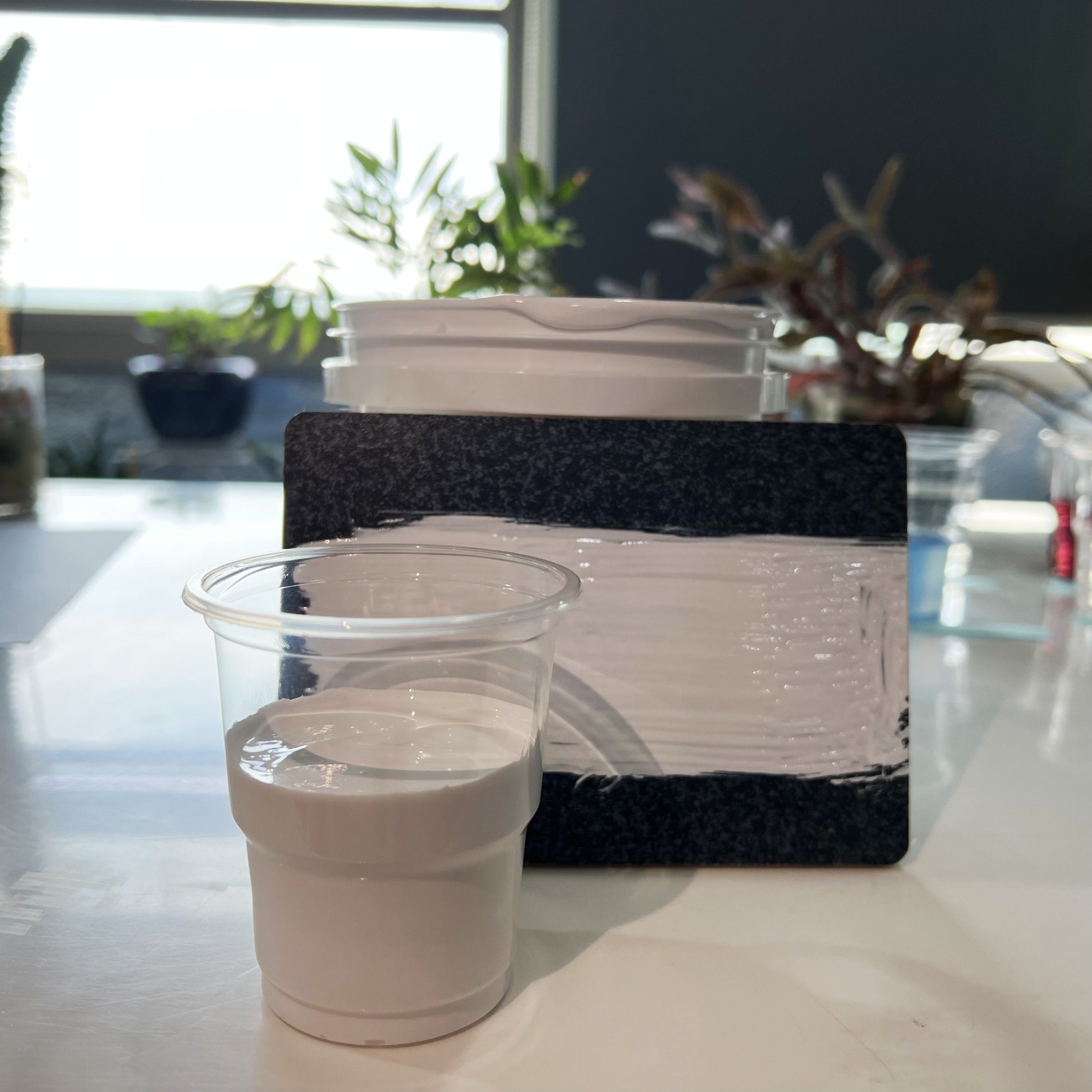
Clear casting resin, a versatile synthetic material, has become an indispensable component across various industries due to its exceptional optical clarity, durability, and ease of use. This transparent, two-part epoxy or polyurethane-based resin is engineered to cure into a hard, glass-like finish, making it ideal for applications requiring both aesthetic appeal and functional integrity. From artistic creations to industrial manufacturing, clear casting resin’s adaptability has redefined standards in craftsmanship and production efficiency.
1.Artistic and Decorative Applications
1.1 Jewelry Making
Clear casting resin is a cornerstone of modern jewelry design, enabling artisans to encapsulate dried flowers, glitter, metallic flakes, or even small trinkets within transparent pendants, earrings, or rings. Its low viscosity allows for precise pouring into intricate molds, while its UV-resistant properties prevent yellowing over time, ensuring long-lasting brilliance. The resin’s self-leveling characteristic eliminates the need for manual polishing, achieving a flawless, mirror-like surface with minimal effort. For instance, a jewelry maker can create a pendant by mixing resin with a blue pigment, pouring it into a silicone mold, and curing it under UV light for 24 hours, resulting in a vibrant, waterproof piece.
1.2 Sculpture and Figurines
Artists leverage clear casting resin to craft hyper-realistic sculptures, figurines, and decorative art pieces. Its high tensile strength and impact resistance allow for the creation of large-scale installations without the fragility associated with traditional materials like glass or ceramic. The resin’s compatibility with pigments and dyes enables multi-layered effects, such as simulating depth in ocean-themed sculptures or achieving a marbled appearance in abstract art. A notable example is the use of resin to replicate ancient artifacts for museum displays, where transparency highlights internal details while protecting the originals.
1.3 Home Decor and Functional Art
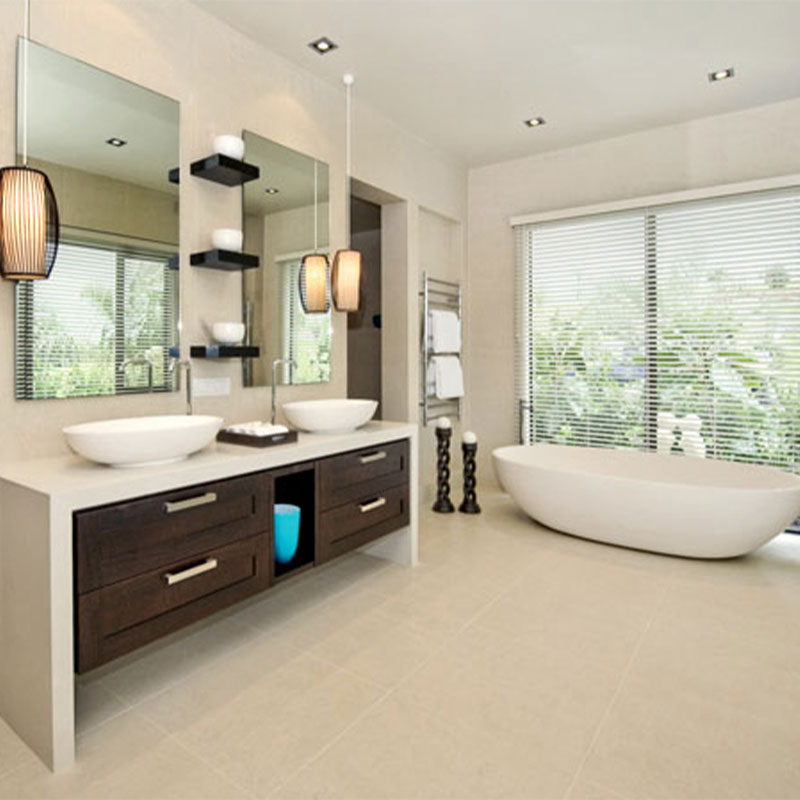
Clear casting resin has revolutionized home decor by enabling the production of unique items such as river tables, coasters, and lampshades. In river tables, resin is poured between wooden slabs to mimic flowing water, creating a striking contrast between natural wood grain and translucent resin. Similarly, resin coasters can embed pressed flowers or geometric patterns, serving as both functional items and conversation starters. The material’s heat resistance (up to 120°C) ensures durability in everyday use, while its non-toxic formulation makes it safe for food-contact surfaces.
2. Industrial and Manufacturing Applications
2.1 Prototyping and Model Making
In product development, clear casting resin is indispensable for creating high-fidelity prototypes. Its ability to capture fine details—such as thread patterns on mechanical parts or textures on consumer electronics—allows designers to validate form and function before mass production. For example, automotive engineers use resin to prototype dashboard components, testing ergonomics and aesthetics under real-world conditions. The resin’s rapid curing time (as fast as 10 minutes with UV light) accelerates iteration cycles, reducing time-to-market for new products.
2.2 Optical Components
The resin’s exceptional transparency (98% light transmission) and low refractive index make it suitable for manufacturing lenses, light guides, and optical filters. Unlike glass, resin is lightweight and shatter-resistant, making it ideal for applications requiring durability, such as augmented reality (AR) headset lenses or automotive headlight covers. Additionally, its thermal stability (withstanding temperatures from -40°C to 150°C) ensures performance in extreme environments, from arctic conditions to desert heat.
2.3 Electronic Encapsulation
Clear casting resin is widely used to encapsulate electronic components, providing protection against moisture, dust, and mechanical stress. Its dielectric strength (20 kV/mm) prevents electrical shorts, while its thermal conductivity (0.2 W/m·K) aids in heat dissipation for high-power devices. For instance, resin-encapsulated LED strips are commonly used in underwater lighting or outdoor displays, where waterproofing is critical. The resin’s self-extinguishing properties also enhance safety in fire-prone environments.

3. Specialized Applications
3.1 Medical and Dental Prosthetics
In the medical field, clear casting resin is employed to fabricate custom prosthetics, such as dental aligners or orthopedic braces. Its biocompatibility (meeting ISO 10993 standards) ensures safety for prolonged skin contact, while its moldability allows for precise fitting to patient anatomy. For example, 3D-printed resin molds are used to create silicone ear implants, offering a cost-effective alternative to traditional manufacturing methods.
3.2 Conservation and Restoration
Museums and conservators use clear casting resin to stabilize and preserve fragile artifacts. The resin’s ability to penetrate porous materials, such as wood or bone, without altering their appearance makes it ideal for reinforcing decayed structures. For instance, resin is injected into cracked ancient pottery to prevent further fragmentation, while its transparency ensures the artifact’s original features remain visible.
3.3 Aerospace and Defense
The aerospace industry utilizes clear casting resin for lightweight, high-strength components, such as drone canopies or satellite housings. Its resistance to cosmic radiation and extreme temperatures (from -55°C to 120°C) ensures reliability in space applications. Additionally, the resin’s low outgassing properties prevent contamination in sensitive environments, such as optical instruments on spacecraft.
4. Advantages of Clear Casting Resin
Optical Clarity: Unlike opaque resins, clear casting resin maintains transparency even in thick layers, enabling unobstructed visibility of embedded objects.
Durability: Its high tensile strength (65 MPa) and impact resistance (2.2 GPa flexural modulus) ensure longevity in demanding applications.
Ease of Use: The two-part system (resin and hardener) requires simple mixing ratios (typically 1:1 or 2:1 by weight), with minimal training needed for application.
Customization: Clear casting resin can be tinted with pigments, dyes, or metallic powders to achieve a wide range of colors and effects, from translucent pastels to opaque metallic finishes.
Environmental Safety: Many formulations are non-toxic, BPA-free, and compliant with international safety standards (e.g., RoHS, REACH), making them suitable for indoor use and food-contact applications.
Conclusion
Clear casting resin has emerged as a transformative material, bridging the gap between art and industry with its unparalleled versatility. From creating stunning jewelry and home decor to enabling cutting-edge prototypes and optical components, clear casting resin continues to redefine possibilities across sectors. Its ability to combine aesthetic appeal with functional performance—whether in the form of a delicate sculpture or a robust aerospace part—underscores its value as a modern engineering marvel. As technology advances, the applications of clear casting resin will only expand, solidifying its role as a cornerstone of innovation in both creative and industrial realms. Whether used for artistic expression or precision manufacturing, clear casting resin remains a testament to the power of synthetic materials in shaping the future.

Recent News
1.what is casting resin
2025-04-082.how strong is casting resin
2025-06-163.How to color casting resin
2025-08-274.How thick can you pour casting resin
2025-09-225.Is there a difference between epoxy resin and casting resin
2025-11-286.What is the difference between casting resin and epoxy resin
2026-02-12