



 yomi@rulecomposite.com



Is there a difference between epoxy resin and casting resin
 Nov 28, 2025|
 View:1551
In the realm of resin-based crafting and industrial applications, the terms "epoxy resin" and "casting resin" are frequently encountered, often leading to confusion among beginners and even some experienced users. While both materials share a common foundation in resin chemistry, they are formulated with distinct purposes and properties in mind. This article aims to clarify the differences between epoxy resin and casting resin, providing a comprehensive understanding of their unique characteristics, applications, and selection criteria.
What is Epoxy Resin?
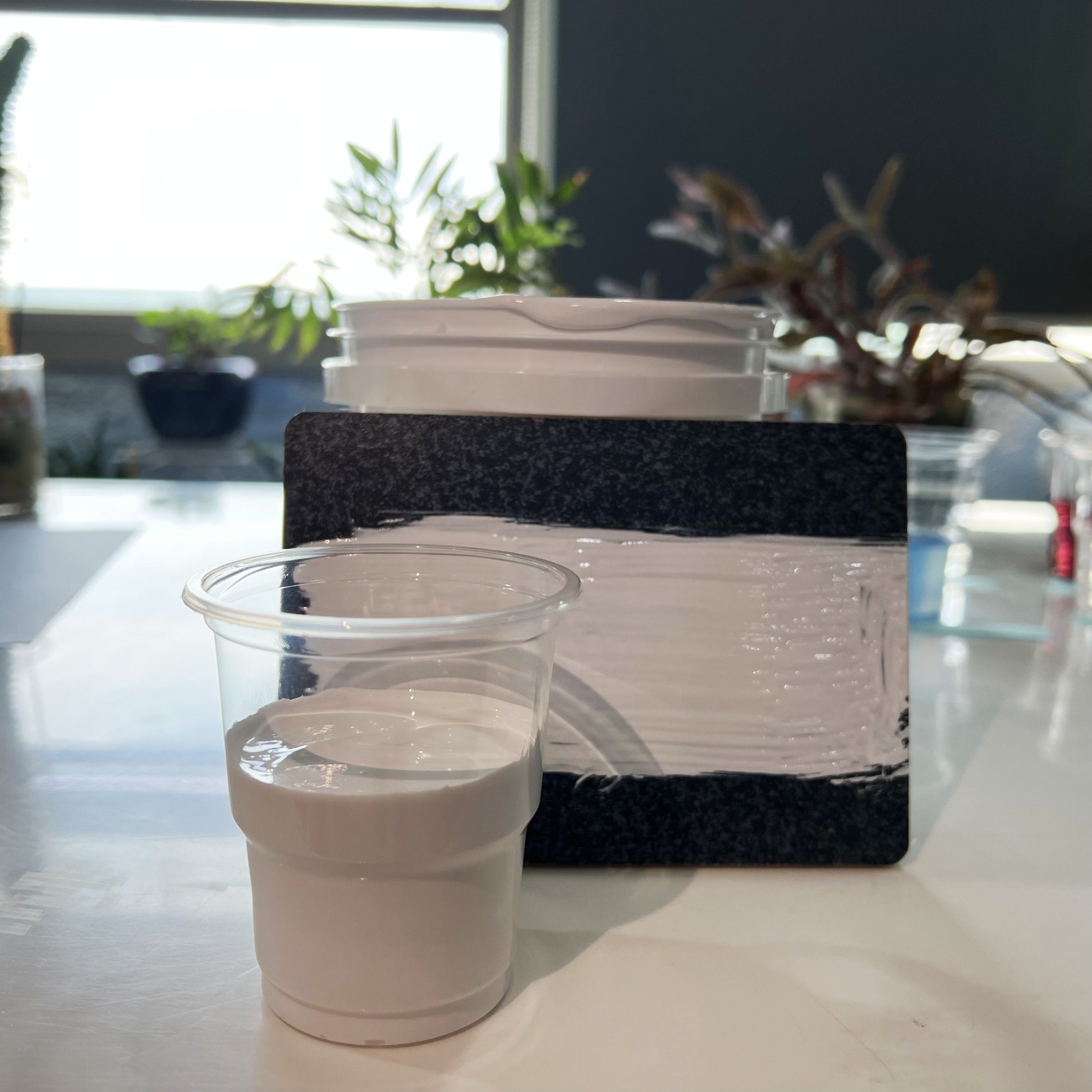
Epoxy resin, a class of polymers containing two or more epoxy groups, is renowned for its exceptional thermal stability, chemical resistance, and mechanical strength. These properties stem from its ability to form a three-dimensional cross-linked network upon curing, a process initiated by the reaction of epoxy groups with curing agents such as amines or thiols. The resulting cured epoxy resin exhibits high tensile strength, low water absorption, and excellent adhesion to various substrates, making it a versatile material in numerous industries.
Epoxy resins are available in a wide range of formulations, each tailored to specific applications. For instance, some epoxy resins are designed for high-temperature resistance, while others prioritize flexibility or electrical insulation. The versatility of epoxy resin is further enhanced by its compatibility with various fillers and additives, allowing for the customization of properties such as viscosity, color, and hardness.
In the context of crafting and DIY projects, epoxy resin is commonly used for coating surfaces, creating jewelry, and encapsulating objects. Its strong adhesive properties make it ideal for bonding materials like wood, metal, and glass, while its chemical resistance ensures durability in harsh environments. Additionally, epoxy resin's ability to form a glossy, transparent finish has made it a popular choice for tabletops, countertops, and other decorative applications.
What is Casting Resin?
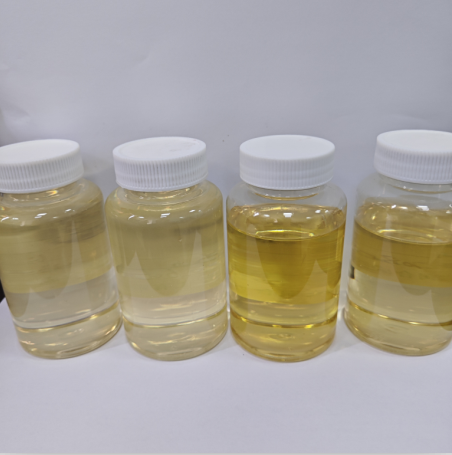
Casting resin, a subset of epoxy resins, is specifically formulated for pouring into molds to create three-dimensional objects. Unlike general-purpose epoxy resins, which may have a medium to high viscosity, casting resins typically feature a very low viscosity, similar to that of water. This characteristic allows the resin to flow easily into intricate molds, capturing fine details and ensuring a bubble-free finish.
The curing process of casting resin is designed to be slow and controlled, providing ample time for the resin to fill the mold completely before hardening. This extended working time is particularly advantageous when working with large or complex molds, as it reduces the risk of premature curing and ensures a uniform cure throughout the object. Once cured, casting resin forms a hard, durable material that can be sanded, polished, and painted, offering endless possibilities for customization.
Casting resins are widely used in the creation of resin art, jewelry, figurines, and other decorative items. Their ability to replicate intricate details and produce a clear, glossy finish has made them a favorite among artists and crafters. Furthermore, casting resins can be mixed with various pigments, dyes, and inclusions, such as glitter, dried flowers, or metal flakes, to create unique and visually stunning effects.
Differences Between Epoxy Resin and Casting Resin
While both epoxy resin and casting resin belong to the same family of polymers, several key differences set them apart:
1.Viscosity: Epoxy resins can vary in viscosity, ranging from medium to high, depending on the formulation. In contrast, casting resins are specifically designed to have a very low viscosity, facilitating easy pouring and mold filling.
2.Curing Time: Epoxy resins typically have a shorter curing time compared to casting resins. This is because casting resins are formulated to cure slowly, allowing for ample working time and ensuring a uniform cure.
3.Purpose: Epoxy resins are versatile materials used for a wide range of applications, including coating, bonding, and encapsulating. Casting resins, on the other hand, are primarily intended for pouring into molds to create three-dimensional objects.
4.Hardness and Durability: While both epoxy resin and casting resin can form hard, durable materials upon curing, the specific properties may vary depending on the formulation. Some casting resins may be formulated to be more flexible or impact-resistant, while others may prioritize hardness and scratch resistance.
5.Bubble Formation: Due to their low viscosity, casting resins are less prone to bubble formation during pouring. However, proper degassing techniques may still be necessary to ensure a bubble-free finish. Epoxy resins, with their higher viscosity, may require more vigorous mixing and degassing to prevent bubbles from being trapped in the cured material.
Which One to Choose: Epoxy Resin or Casting Resin?
The choice between epoxy resin and casting resin depends on the specific requirements of your project. If you are looking to coat a surface, bond materials, or encapsulate an object, a general-purpose epoxy resin may be the best choice. Its versatility and strong adhesive properties make it suitable for a wide range of applications, from industrial to artistic.
On the other hand, if your project involves pouring resin into a mold to create a three-dimensional object, a casting resin is the way to go. Its low viscosity and slow curing time make it ideal for capturing fine details and ensuring a uniform cure throughout the object. Additionally, casting resins offer endless possibilities for customization, allowing you to create unique and visually stunning pieces.
Conclusion
While epoxy resin and casting resin share a common foundation in resin chemistry, they are formulated with distinct purposes and properties in mind. Epoxy resin is a versatile material used for coating, bonding, and encapsulating, while casting resin is specifically designed for pouring into molds to create three-dimensional objects. Understanding the differences between these two materials is crucial for selecting the right one for your project, ensuring optimal results and preventing costly mistakes. Whether you are a seasoned crafter or a beginner exploring the world of resin art, choosing the right material will make all the difference in the success and durability of your creations.