



 yomi@rulecomposite.com

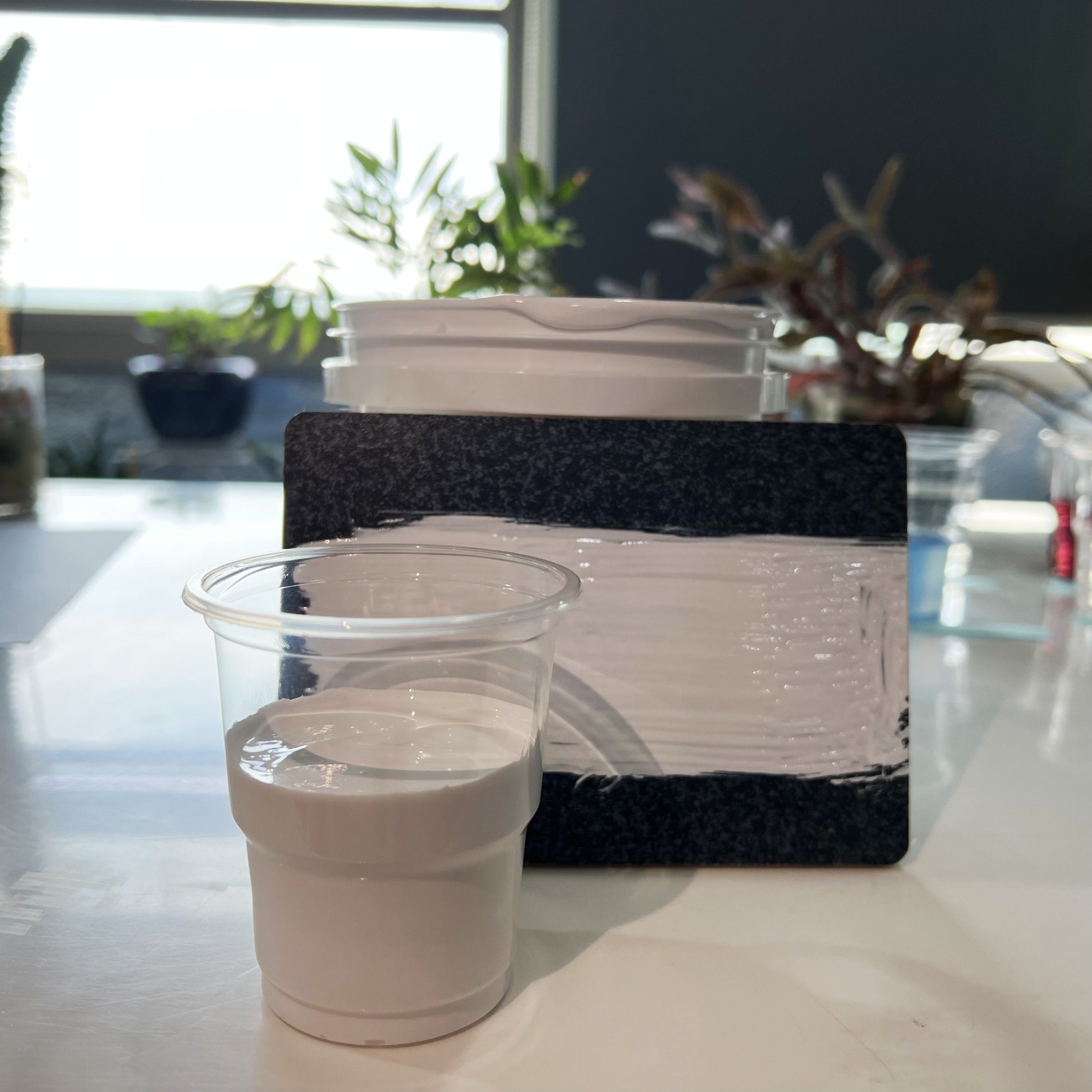



How to color casting resin
 Aug 27, 2025|
 View:2476
Casting resin, a versatile material used in jewelry making, art installations, and functional objects, transforms from a liquid state into a durable, glossy finish when cured. One of its most appealing features is the ability to customize its appearance through coloring. Whether aiming for translucent pastels, bold opaque hues, or intricate swirls, mastering the art of coloring casting resin opens a world of creative possibilities. This guide explores the methods, materials, and precautions needed to achieve professional-quality results.
Methods for Coloring Casting Resin
1.Choosing the Right Colorants
The success of your colored casting resin depends on selecting compatible colorants. Common options include:
Alcohol Inks: These liquid dyes are ideal for creating translucent effects, as they allow light to pass through the cured resin. Use them sparingly—a few drops per ounce of resin—to avoid over-saturating the mixture.
Mica Powders: For metallic or pearlescent finishes, mica powders blend seamlessly into resin. Mix thoroughly to prevent clumping, and note that these pigments may settle over time, requiring re-stirring before pouring.
Liquid Pigments: Designed specifically for resin, these concentrated dyes offer vibrant, opaque colors. Follow manufacturer guidelines for ratios, as exceeding 2% of the total mixture can interfere with curing.
Acrylic Paints: While not all acrylics are suitable, high-quality model train paints or artist-grade acrylics work well in small quantities (no more than 10% of the resin volume). Avoid oil-based paints, which may prevent curing.
2.Mixing Techniques
Pre-Mix Resin Components: Combine the resin and hardener thoroughly before adding colorants. This ensures a consistent cure and prevents streaking.
Gradual Addition: Start with a tiny amount of colorant (e.g., 1–2 drops of ink or a pinch of powder) and mix well. Test the color on a scrap surface or in a silicone mold before scaling up.
Layering and Swirling: For marbled effects, pour partially colored resin into the mold, then add streaks of a contrasting color. Use a toothpick or stir stick to gently swirl the layers without over-mixing.
Testing Thickness: Colors often appear darker in thicker castings. Create test samples at varying depths to predict the final outcome.
3.Advanced Techniques
Fillers for Texture: Incorporate non-reactive fillers like sand, glitter, or crushed stone to add dimension. Account for their natural color when mixing dyes (e.g., white plaster will lighten the resin).
UV Resin Considerations: Traditional alcohol inks may inhibit UV curing. Use colorants from the same brand as your UV resin to ensure compatibility.
Key Precautions When Coloring Casting Resin
1.Safety First
Ventilation: Work in a well-ventilated area to avoid inhaling fumes from uncured resin.
Protective Gear: Wear nitrile gloves and safety goggles to prevent skin and eye irritation.
Cleanup: Wipe spills immediately with isopropyl alcohol. Cured resin requires mechanical removal (e.g., scraping).
2.Avoiding Common Pitfalls
Bubble Formation: Stir gently to minimize air bubbles. Use a heat gun or torch to remove surface bubbles after coloring.
Curing Interference: Excess colorant, mineral oil, or incompatible additives (e.g., food coloring) can prevent hardening. Stick to resin-specific products.
Temperature Control: Cure resin at room temperature (70–75°F or 21–24°C). Extreme heat or cold may cause warping or uneven curing.
3.Storage and Shelf Life
Labeling: Clearly mark colored resin mixtures with the date and colorants used.
Shelf Stability: Some pigments may settle over time. Re-stir stored resin before use to maintain consistency.
Conclusion: Elevate Your Casting Resin Projects with Color
Coloring casting resin is both an art and a science, requiring experimentation and attention to detail. By selecting the right colorants, mastering mixing techniques, and adhering to safety protocols, you can achieve stunning, customized results. Whether crafting jewelry, coasters, or decorative art, the ability to manipulate color transforms casting resin into a medium limited only by your imagination. Start with small batches, document your ratios, and embrace trial and error—soon, you’ll be creating pieces that are as vibrant as they are durable. With practice, coloring casting resin becomes not just a step in the process, but a highlight of your creative journey.