


 yomi@rulecomposite.com



What is the difference between art resin and casting resin
 May 18, 2026|
 View:619
Part 1: Introduction
In the dazzling world of epoxy craftsmanship, two names dominate every artist's vocabulary: art resin and casting resin. Whether you are crafting shimmering ocean coasters, encasing precious flowers in crystal-clear blocks, or building stunning river tables, choosing the right resin is the difference between a masterpiece and a melted disaster. Yet for many beginners and even seasoned crafters, the line between these two materials remains frustratingly blurry. Are they the same thing? Can you swap one for the other? Why does one cost more than the other?
The short answer: they are both types of epoxy resin, but they are engineered for entirely different missions. Art resin is your go-to for thin, glossy, high-clarity coats and delicate art pieces. Casting resin is your heavy-duty workhorse for deep pours, thick molds, and encapsulating three-dimensional objects. Understanding this distinction is not optional — it is the foundation of every successful resin project. In this comprehensive guide, we will dissect every nuance between art resin and casting resin, from viscosity to mixing ratios, from applications to durability, so you can make an informed, confident choice every single time.
Part 2: What Is Art Resin?
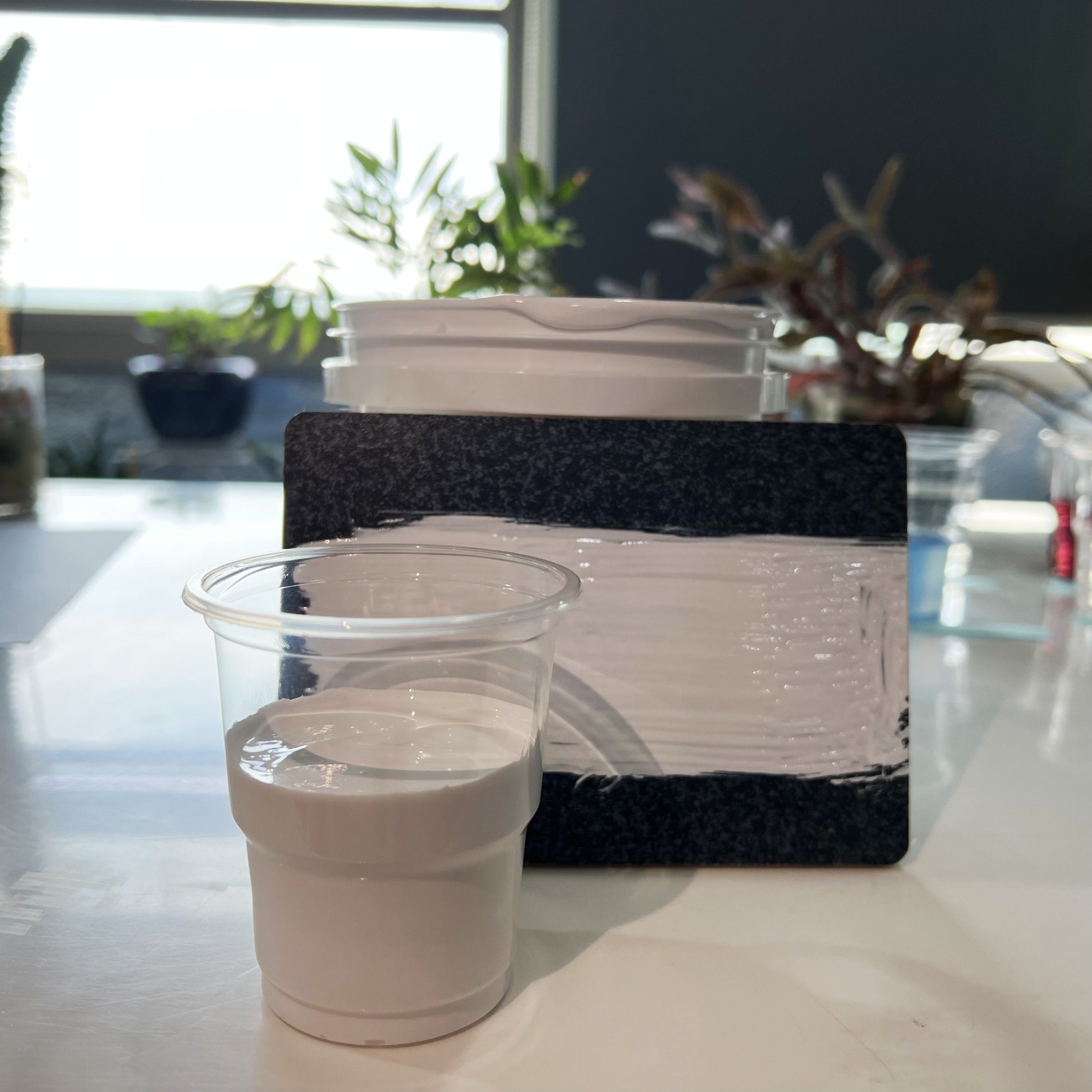
Art resin is a premium, high-viscosity epoxy resin specifically formulated for artists, crafters, and hobbyists who demand clarity, gloss, and precision. Think of it as the honey of the resin world — thick, luxurious, and designed to flow slowly and controllably. When you see those breathtaking resin paintings with a glass-like finish, or those dazzling tumblers that look like they were pulled from a jewelry store, chances are art resin was the secret ingredient.
The defining characteristics of art resin are:
Viscosity: Art resin has a thick, honey-like consistency. This is intentional. The higher viscosity means the resin stays exactly where you put it, making it perfect for thin pours, coatings, and surface lamination. It resists running and dripping, giving you exquisite control over your design.
Mixing Ratio: The most common formulation for art resin is 2:1 — two parts resin to one part hardener. For example, if you are using OYTRA Art Resin, for every 30 grams of resin, you need 15 grams of hardener. This 2:1 ratio produces a more flexible, less brittle cure compared to older formulations, making art resin creations more durable over time.
Pour Thickness: Art resin is designed for thin pours, typically up to a maximum of 10mm (about 0.4 inches). Pour it thicker, and you risk overheating, cracking, or uneven curing — a nightmare scenario no artist wants to face.
Clarity and Finish: This is where art resin truly shines. It dries to a crystal-clear, high-gloss finish that rivals glass. Premium art resin products also contain UV light stabilizers to prevent yellowing over time, ensuring your artwork stays vibrant for years.
Applications: Art resin is the champion of thin-pour projects: resin earrings, pendants, bookmarks, coasters, dome artwork, tumblers, and applying a glossy lamination over paintings and photographs. It is also non-toxic, low-odor, and safe for home use when handled correctly — always with gloves and a mask, of course.
Safety Note: Despite its non-toxic formulation, art resin should never be inhaled, and skin contact should be avoided. Always work in a well-ventilated area, wear protective gloves and a mask, and lay down garbage bags to protect your workspace.
Part 3: What Is Casting Resin?
If art resin is the elegant painter, then casting resin is the rugged engineer. Casting resin is a low-viscosity epoxy resin engineered for one primary purpose: pouring into deep molds and encapsulating objects in thick, solid blocks of clear material.
The defining characteristics of casting resin are:
Viscosity: Casting resin has a very low viscosity — it flows like water, not honey. This thin consistency is its superpower. It seeps into every crevice of a mold, wraps around embedded objects (flowers, insects, photos, small figurines), and allows air bubbles to escape to the surface and pop naturally. The result? A crystal-clear cast with minimal imperfections.
Mixing Ratio: The traditional formulation for casting resin is 3:1 — three parts resin to one part hardener. Using the same OYTRA example, for every 30 grams of resin, you would need only 10 grams of hardener. This higher proportion of hardener means casting resin cures to a more rigid and brittle state. While this makes it excellent for structural applications, it also means creations may be less flexible and more prone to cracking under stress over long periods.
Pour Thickness: This is where casting resin obliterates art resin. Casting resin can be poured in layers up to 2 inches (50mm) or more in a single pour without overheating or cracking. Specialized deep pour resin — a subcategory of casting resin — can go even deeper. This makes casting resin the undisputed king of river tables, thick countertops, deep molds, and any project where depth is essential.
Clarity: Despite its thinner consistency, casting resin delivers excellent clarity. Its low viscosity actually helps achieve a bubble-free, glass-like finish because air can escape more easily during the curing process.
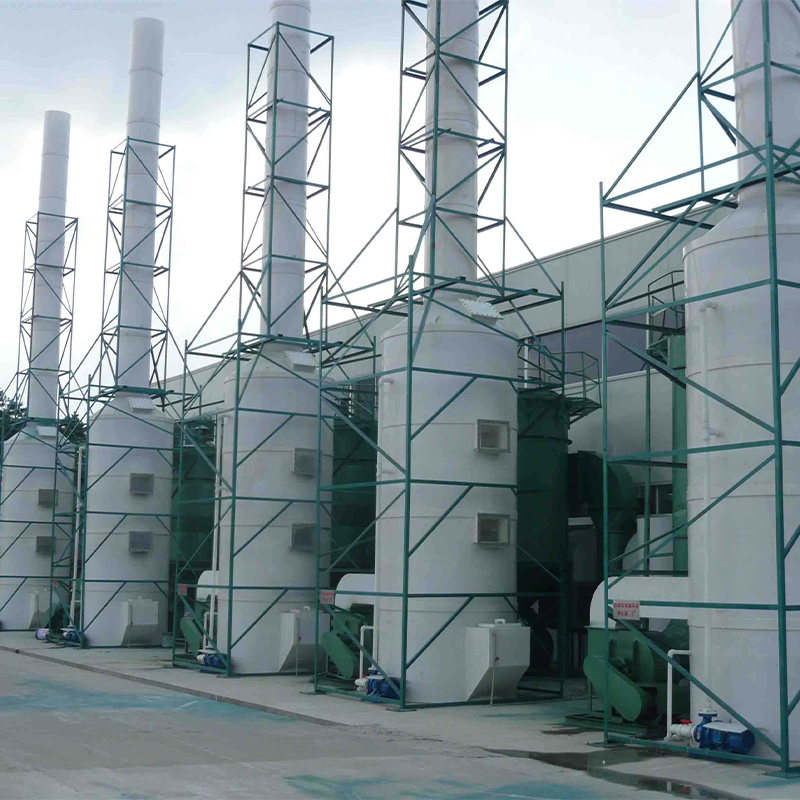
Applications: Casting resin dominates the world of thick casting: river-style kitchen countertops, table surfaces, deep molds with embedded objects, jewelry making (especially chunky pieces), wall art with significant depth, and industrial applications like electronic component potting and transformer encapsulation. In the electronics industry, casting resin — particularly polyurethane (PU) casting resin with F-grade insulation properties — is used for printing circuit transformer potting, where bubble-free, thermally stable encapsulation is critical.
Industrial Context: Beyond the art studio, casting resin (also called 浇铸树脂 or 铸塑树脂) is a class of thermosetting materials that liquefy when heated and solidify without pressure. The main varieties include epoxy casting resin and polyurethane (PU) casting resin, both widely used in electronics, automotive systems, and composite manufacturing.
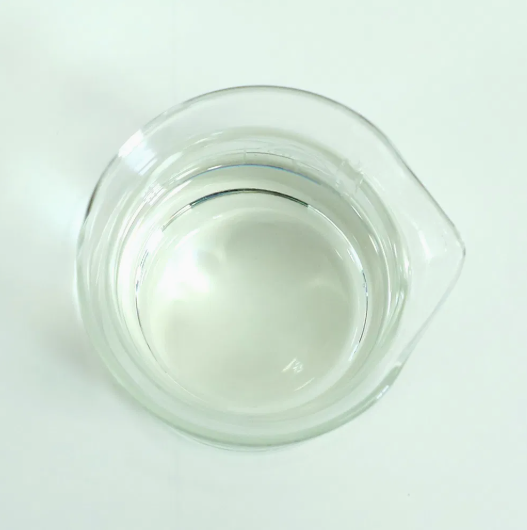
Part 4: The Key Differences Between Art Resin and Casting Resin
Now that we understand each material individually, let us lay out the differences between art resin and casting resin in sharp, undeniable detail:
| Feature | Art Resin | Casting Resin |
| Viscosity | Thick, honey-like | Thin, water-like |
| Mixing Ratio | 2:1 (resin:hardener) | 3:1 (resin:hardener) |
| Max Pour Thickness | ~10mm (0.4 inches) | 2+ inches (50mm+) |
| Cure Flexibility | More flexible, less brittle | More rigid, more brittle |
| Primary Use | Thin pours, coatings, glossy finishes | Deep pours, mold casting, encapsulation |
| Bubble Behavior | Bubbles are harder to escape; use a heat gun | Bubbles escape naturally due to low viscosity |
| Clarity | Excellent, with UV stabilizers | Excellent, naturally bubble-free |
| Cost | Generally higher | Generally lower |
| Analogy | Construction paper — thick, heavy-duty | Printer paper — thin, flows easily |
The viscosity difference alone is a game-changer. Imagine pouring art resin into a deep mold — it would trap air bubbles like a sponge traps water, leading to cloudy, imperfect results. Conversely, pouring casting resin as a thin coat over a painting would be like trying to spread water — it would run everywhere, giving you zero control.
The mixing ratio also matters enormously. The 2:1 ratio of art resin means less hardener, which translates to a more flexible cure — ideal for items that may experience slight bending or impact. The 3:1 ratio of casting resin means more hardener, producing a harder, more rigid final product — perfect for structural items like countertops but less forgiving for delicate jewelry.
Finally, consider the curing behavior. Art resin cures faster in thin layers but can overheat in thick pours, leading to cracking. Casting resin takes longer to cure but handles thickness with grace, making it the only viable option for deep-pour projects like ocean trays, river tables, and three-dimensional sculptures.
Part 5: Which One Should You Choose — Art Resin or Casting Resin?
The answer is not "which is better" — it is "which is right for YOUR project." Let us break it down:
Choose art resin if:
You are making thin pours (under 10mm): coasters, earrings, pendants, bookmarks, domes.
You want a high-gloss, glass-like finish on a surface or painting.
You need UV resistance to prevent yellowing over time.
You prioritize flexibility and durability for wearable items.
You are laminating artwork or creating tumblers.
Choose casting resin if:
You need to pour thick (over 10mm, especially 1+ inch): river tables, deep molds, countertops.
You are encapsulating objects: flowers, photos, insects, small figurines.
You want bubbles to escape naturally without a heat gun.
You need maximum rigidity for structural applications.
You are working in industrial electronics or automotive applications.
Can you use casting resin for thin art projects? Technically yes, but you will sacrifice the thick, controlled flow that makes art resin so beautiful for coatings.
Can you use art resin for deep pours? Absolutely not — you risk overheating, cracking, and a cloudy, ruined piece.
For the budget-conscious crafter: casting resin is generally cheaper, making it ideal for large, deep projects where cost per ounce matters. Art resin commands a premium price, but that premium buys you clarity, UV protection, and a flawless finish that casting resin simply cannot match in thin applications.
The smartest artists keep both in their studio. Use art resin for your delicate, glossy masterpieces. Use casting resin for your bold, deep, structural creations.
Together, art resin and casting resin cover every possible epoxy application — from the thinnest coaster to the thickest river table.
Part 6: Conclusion
In the vast universe of epoxy craftsmanship, art resin and casting resin are not rivals — they are partners, each reigning supreme in their own domain. Art resin is the artist's brush: thick, glossy, precise, and designed for thin, beautiful finishes that catch the light and hold it forever. Casting resin is the sculptor's chisel: thin, powerful, deep-pouring, and engineered to encase the world in crystal-clear clarity.
The differences between art resin and casting resin — viscosity, mixing ratio, pour thickness, cure flexibility, and application — are not minor nuances. They are fundamental engineering choices that determine whether your project soars or shatters. A 2:1 art resin will never replace a 3:1 casting resin in a deep mold, just as casting resin will never give you the controlled, honey-thick flow of art resin on a delicate painting.
So the next time you stand at your workbench, resin in hand, ask yourself one question: am I painting, or am I building? If you are painting, reach for art resin. If you are building, grab your casting resin. And if you are doing both — congratulations, you already understand the art and science of epoxy better than most.
Whether you choose art resin or casting resin, the magic is in your hands. Now go create something extraordinary.