


 yomi@rulecomposite.com




What should buyers know before ordering casting resin from china
 Oct 26, 2026|
 View:25
Introduction
In recent years, global demand for high-quality casting resin has surged across industries ranging from art creation, industrial component manufacturing, jewelry production, to custom model making. China has emerged as one of the world’s largest production bases for casting resin, offering buyers a wide range of product options, competitive pricing, and increasingly mature supply chain capabilities. However, ordering casting resin from China is not as straightforward as selecting a product from a local shelf. Many international buyers overlook critical details before placing their orders, only to face unexpected issues such as inconsistent product quality, delayed shipments, non-compliant material compositions, or mismatched curing performance that ruins their final projects. This guide is designed to walk every buyer through the essential information they must confirm and understand before committing to a bulk purchase of casting resin from Chinese suppliers. By mastering these key points, buyers can avoid common pitfalls, secure stable, high-quality casting resin supplies, and build long-term, mutually beneficial cooperative relationships with reliable Chinese manufacturers.
Understanding Different Grades and Formulations of Casting Resin
One of the first and most critical steps for any buyer is to fully grasp the diverse grades and formulations of casting resin available on the Chinese market. Not all casting resin is created equal, and a formulation that works perfectly for small craft jewelry casting may completely fail when used for large-scale deep-pour industrial casting projects.
First, buyers must distinguish between general-purpose casting resin and specialized casting resin variants. General-purpose casting resin is usually formulated for thin-layer pours of less than 5 centimeters, with a fast curing time of 24 hours, low viscosity, and moderate hardness after full curing. This type of casting resin is widely used for small art pieces, keychains, and surface coating projects. On the other hand, specialized deep-pour casting resin can support single pours of up to 10 to 20 centimeters, features a much slower exothermic reaction during curing to avoid overheating and cracking, and is ideal for making large river tables, thick decorative art blocks, and industrial prototype casts.
Second, buyers need to confirm the material composition of the casting resin they intend to order. Most Chinese suppliers produce epoxy-based casting resin, but there are also polyurethane casting resin and unsaturated polyester casting resin available for specific scenarios. Each type of casting resin has unique performance parameters: epoxy casting resin offers excellent yellowing resistance and high transparency, making it the top choice for art and display projects; polyurethane casting resin has superior impact resistance and flexibility, suitable for manufacturing wearable parts and functional components; unsaturated polyester casting resin is the most cost-effective option for large-volume non-transparent industrial casting.
Third, it is essential to confirm the customization flexibility of the casting resin. Many Chinese manufacturers can adjust the hardness, curing time, viscosity, and color stability of casting resin according to buyer requirements. Some suppliers can even add specific UV inhibitors, flame retardants, or food-safe additives to the casting resin to meet special application standards. Buyers should clearly communicate their project’s specific performance needs instead of blindly selecting the cheapest standard casting resin, as a mismatched formulation will lead to massive material waste and project losses.
Casting Resin
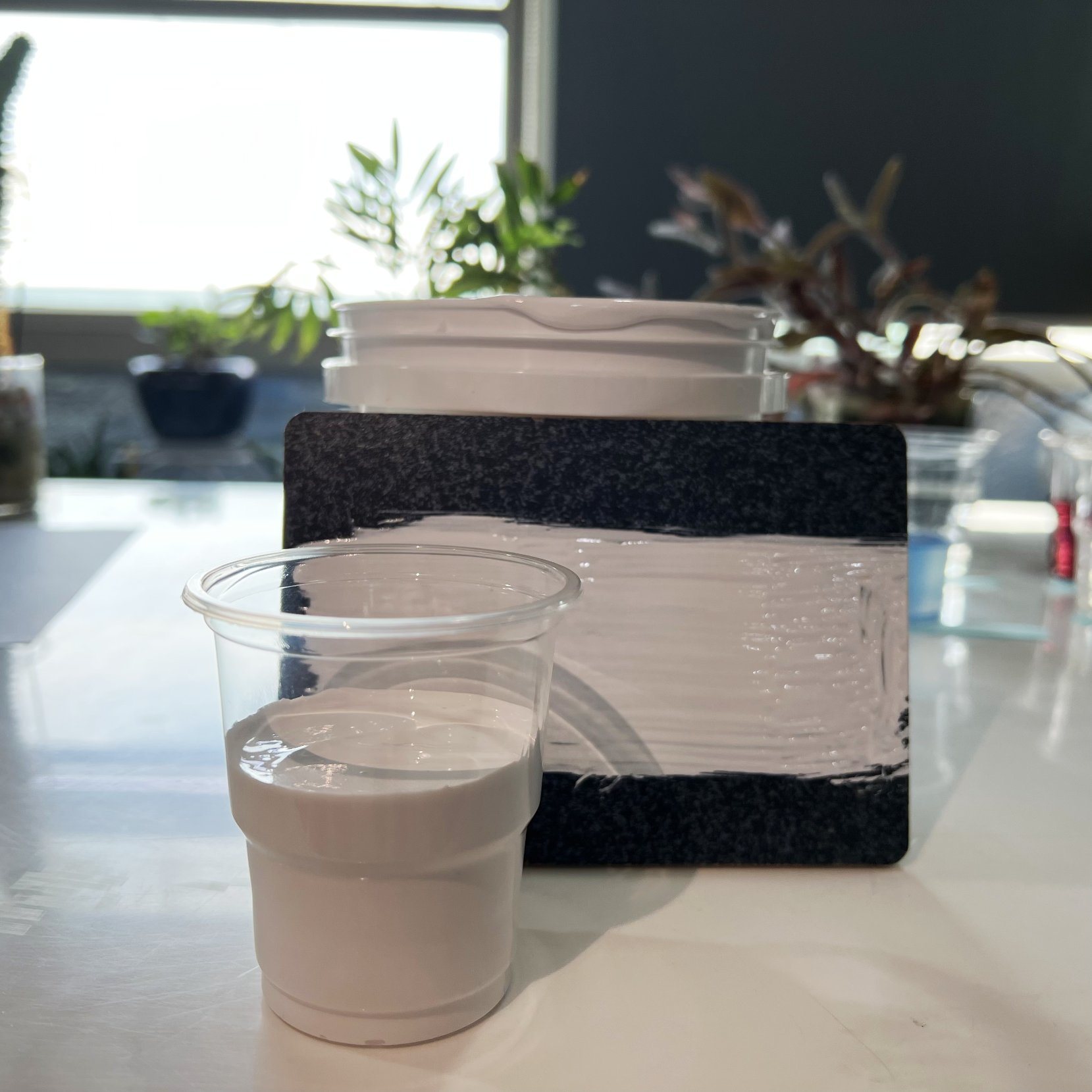
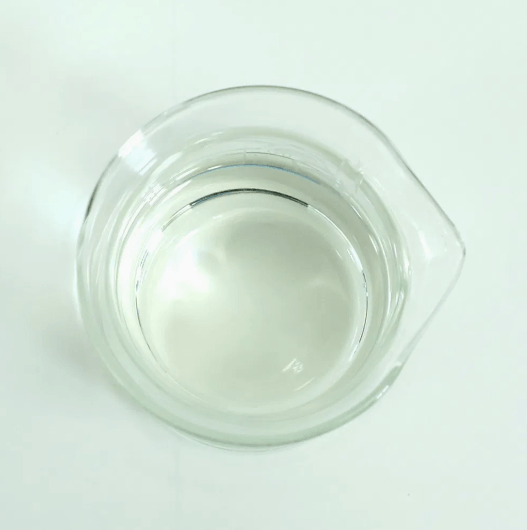
Casting resin, especially water clear casting resin and clear casting resin, is a versatile material widely used in crafting and industrial applications. Its key advantage lies in its exceptional transparency, which allows for the creation of crystal-clear finishes. This clear casting resin is easy to mix and pour, with a low-odor formula that's user-friendly. It also offers excellent durability and resistance to yellowing over time, ensuring long-lasting, high-quality results.
View Product
casting craft clear polyester resin
Casting craft clear polyester resin is an unsaturated polyester resin widely used in the manufacture of handicrafts and decorative items. This resin is renowned for its high transparency and excellent physical properties, when used in conjunction with a colourless accelerator, it imparts a glass-like clarity to the finished product. It cures smoothly at room temperature with minimal bubbles and shrinkage, delivering a glass-like, high-gloss finish that resists yellowing over time.
View ProductVerifying Quality Standards and Compliance Certifications
Before finalizing any order of casting resin from China, buyers must carefully verify the quality standards and compliance certifications of the casting resin provided by the supplier. This step is non-negotiable, as uncertified casting resin may contain harmful volatile organic compounds (VOCs), fail to meet local safety regulations, and even cause customs clearance failures in the buyer’s home country.
First, confirm the basic quality test reports of the casting resin. Reliable Chinese suppliers will provide third-party test reports that detail key performance indicators of the casting resin, including its tensile strength, compressive strength, shore hardness, transparency rate, and shrinkage rate after full curing. Buyers should compare these parameters with their project requirements: for example, if you are producing clear art casts, you need to ensure the casting resin has a transparency rate of over 92% and a shrinkage rate lower than 0.2% to avoid deformation and visual defects.
Second, check international safety and compliance certifications for the casting resin. Common essential certifications for exported casting resin include REACH certification for the European market, which restricts over 200 harmful substances in the casting resin formulation, and FDA food contact certification if the casting resin will be used to make items that touch food or drinking water. For buyers in North America, confirming that the casting resin meets ASTM D4236 standards for art materials is also critical to avoid legal risks related to consumer product safety. Many unregulated small Chinese workshops sell low-cost casting resin that lacks these certifications, which may seem like a good deal at first but can result in the entire shipment being seized by customs, leading to 100% financial loss for the buyer.
Third, ask the supplier to provide a free sample of the casting resin for independent testing. Even if the supplier provides complete certification documents, it is wise to test the casting resin sample in your own workshop under your actual working conditions. You can observe how the casting resin mixes with hardener, how it releases air bubbles during pouring, how it cures at your local room temperature, and whether the final cured casting resin meets your quality expectations. This small investment in sample testing can save you from huge losses caused by a bulk shipment of unqualified casting resin.
Clarifying Pricing Structures, MOQs, and Supply Chain Terms
Many international buyers are attracted by the low advertised prices of casting resin from Chinese suppliers, but they often fail to clarify the full pricing structure, minimum order quantities (MOQs), and supply chain terms before placing an order, leading to unexpected extra costs and delivery delays.
First, break down the total cost of the casting resin instead of only focusing on the unit price. The quoted unit price of casting resin usually refers to the ex-factory price, which does not include domestic logistics fees in China, export packaging fees, international sea or air freight, insurance costs, import duties in the buyer’s country, and customs brokerage fees. Some suppliers may quote an extremely low unit price for casting resin but charge very high fees for custom packaging or export documentation, which can make the total landed cost much higher than expected. Buyers should request a full door-to-door or CIF (Cost Insurance and Freight) quotation to get a clear picture of the total cost of their casting resin order.
Second, confirm the MOQ requirements for the specific casting resin grade you need. Standard general-purpose casting resin usually has a low MOQ of 100 to 500 kilograms, but specialized customized casting resin with unique formulations or special certifications may have an MOQ of several tons. Some small buyers who only need 50 kilograms of food-safe casting resin may find that many large Chinese manufacturers cannot support such a small order, and they will have to either adjust their order volume or find a supplier that specializes in small-batch customized casting resin products. It is also important to confirm whether the supplier allows mixed SKU orders, so that you can order different colors or different curing speed casting resin in one shipment without meeting separate MOQs for each variant.
Third, negotiate clear delivery and lead time terms for your casting resin order. The standard production lead time for a bulk order of casting resin in China is usually 7 to 15 working days after the deposit is received, but this can be extended to 30 days or more during peak production seasons, such as the months before Christmas when global demand for craft materials surges. Buyers should also confirm the supplier’s backup plan for production delays: a reliable supplier will have multiple production lines for casting resin and sufficient raw material stock to avoid long-term shutdowns caused by raw material shortages. Additionally, clarify the terms of quality compensation: if the delivered casting resin does not meet the agreed quality standards, the supplier should be responsible for replacing the defective casting resin or issuing a full or partial refund, and cover the related return shipping costs.
Evaluating Supplier Capability and After-Sales Support
A high-quality casting resin product is only half of a successful order; the other half comes from the supplier’s professional technical support and reliable after-sales service, which many first-time buyers of Chinese casting resin easily overlook.
First, assess the supplier’s professional experience in producing casting resin. A manufacturer that has focused on casting resin production for more than 5 years will have accumulated rich experience in formula adjustment, quality control, and problem solving. You can ask the supplier to share their past export cases of casting resin to buyers in your region, and confirm whether their technical team can communicate smoothly in English to understand your specific project problems. Some unprofessional trading companies that do not produce casting resin themselves will act as middlemen, purchasing low-quality casting resin from small workshops and reselling it to international buyers at a slightly lower price, but they cannot provide any technical support when you encounter problems during the use of the casting resin.
Second, confirm the technical guidance service for using the casting resin. Different batches of casting resin may have slight differences in mixing ratio, bubble elimination time, and curing temperature requirements. A good supplier will provide you with a detailed English instruction manual for the specific batch of casting resin you ordered, and even offer video guidance to teach your workers how to properly mix the casting resin and hardener, how to use a vacuum chamber or heat gun to eliminate air bubbles, and how to adjust the curing process according to different ambient temperatures. This kind of technical support is extremely valuable, especially for buyers who are new to using Chinese casting resin, as it can help them avoid many operational errors that would ruin their casting projects.
Third, learn about the supplier’s after-sales response mechanism for casting resin quality issues. Even with strict quality control, occasional batches of casting resin may have minor performance deviations during mass production. A responsible supplier will respond to your quality complaint within 24 hours, arrange for a technical team to analyze the problem, and provide a reasonable solution within 3 working days. They will not ignore your message or shift the blame to improper operation on your side without conducting a detailed investigation. You can check the supplier’s past buyer reviews on international B2B platforms to see how they handle previous quality disputes related to casting resin, which is a very effective way to evaluate their after-sales service level.
Conclusion
Ordering casting resin from China can be a highly cost-effective and rewarding choice for global buyers, as long as they take the time to fully understand the product, verify quality compliance, clarify all transaction terms, and select a reliable supplier before placing the order. The casting resin market in China is vast, with a wide spectrum of product quality ranging from low-cost uncertified workshop products to high-grade industrial casting resin that meets the strictest international standards. By mastering the knowledge of different casting resin formulations, confirming all necessary safety certifications, calculating the full landed cost of your casting resin order, and securing professional technical and after-sales support, you can avoid almost all common risks associated with cross-border procurement of casting resin. In the long run, building a stable, transparent cooperative relationship with a professional Chinese casting resin manufacturer will not only help you obtain consistent, high-quality casting resin at a competitive price, but also allow you to access continuous formula optimization and new product updates that can give your business a strong competitive edge in your local market.
FAQ
Q: What is the typical shelf life of bulk casting resin shipped from China, and how should I store it to maintain stable performance?
A: Most standard epoxy-based casting resin from Chinese manufacturers has a guaranteed shelf life of 12 months when stored in a cool, ventilated environment at a constant temperature between 15℃ and 25℃. To prevent the casting resin from thickening prematurely or generating impurities, you should keep the casting resin containers tightly sealed after each use, avoid direct sunlight exposure, and never store the casting resin in areas with extreme temperature fluctuations. Proper storage ensures the casting resin retains its original low viscosity, clear transparency, and accurate curing speed throughout its entire usage cycle.
Q: Can Chinese suppliers customize the hardness and curing time of casting resin to match my specific project requirements?
A: Yes, nearly all professional casting resin manufacturers in China offer customizable formulation services for bulk orders. You can adjust the shore hardness of the fully cured casting resin from 20A soft flexibility to 90D high rigidity, and modify the full curing time of the casting resin from 6 hours for fast-turnaround small crafts to 72 hours for deep-pour large casts that need to control exothermic heat. Most suppliers can also add UV stabilizers, flame retardants, or pigment masterbatches to the casting resin based on your technical specifications, without compromising the basic mechanical performance of the casting resin.
Q: What common quality issues should I inspect immediately after receiving a shipment of casting resin from China?
A: First, check the appearance of the casting resin: the base resin liquid should be clear and free of suspended particles, precipitates, or discoloration, while the corresponding hardener should show no signs of crystallization. Second, test the mixing ratio of the casting resin as instructed, pour a small test sample, and observe whether the casting resin releases bubbles smoothly, cures completely without sticky spots, and reaches the agreed hardness within the specified time. Third, verify that the viscosity of the new batch of casting resin matches the data listed in the supplier’s quality report, to avoid unexpected changes that would disrupt your existing production process.
Q: Is casting resin from China compliant with REACH, FDA, and other international safety regulations for import?
A: Formal export-grade casting resin produced by certified Chinese manufacturers is usually formulated to meet REACH restrictions on over 200 harmful substances, and many food-contact grade casting resin variants have obtained FDA safety certification. Before shipment, the supplier will provide complete MSDS documents, test reports, and compliance statements for the casting resin. It is important to note that low-cost unbranded workshop casting resin often skips these compliance checks, so buyers must confirm all certification documents before shipment to avoid customs clearance delays or product seizures in the destination country.
Q: What should I do if the casting resin shows poor defoaming performance or incomplete curing after I start using it?
A: First, check whether the ambient temperature of your workshop is lower than 18℃, as low temperature will significantly increase the viscosity of the casting resin, making it difficult for internal bubbles to escape and slowing down the cross-linking curing reaction. Second, confirm that you are following the exact mixing ratio provided by the supplier for this specific batch of casting resin, rather than using a ratio from an old product formula. If the problem persists, send photos and test videos of the defective casting resin sample to your Chinese supplier, most professional teams will provide targeted technical guidance within 24 hours, or arrange a replacement for the defective casting resin if the issue is confirmed to be caused by production errors.