

 yomi@rulecomposite.com





How to choose a reliable vinyl ester resin supplier for industrial applications
 Oct 21, 2026|
 View:14
Choosing a reliable vinyl ester resin supplier comes down to four evaluation areas: technical performance, application fit, regulatory compliance, and cost and supply reliability. Use this compact checklist when you compare suppliers:
Technical performance: corrosion data, mechanical strength, batch consistency.
Application fit: grade and process matching, technical support.
Regulatory compliance: documentation, certification, traceability.
Cost and supply: total cost of ownership, pricing stability, lead times.
Vinyl ester resin sits between polyester and epoxy in cost and performance. Match resin properties to your operating conditions, not to a single headline claim. Each section below gives you specific checkpoints and questions to ask every shortlisted vinyl ester resin supplier.
Key Takeaways
Check technical data like tensile strength and corrosion test standards to ensure the resin meets your needs.
Match the resin grade to your specific process and environment, and confirm the supplier offers strong technical support.
Demand complete documentation, including TDS, SDS, and test reports, and verify lot traceability for every shipment.
Compare total cost of ownership, not just price per kilogram, because vinyl ester resin lasts longer and reduces replacements.
Test samples from multiple batches and keep written records to confirm batch consistency before you commit.
Technical performance
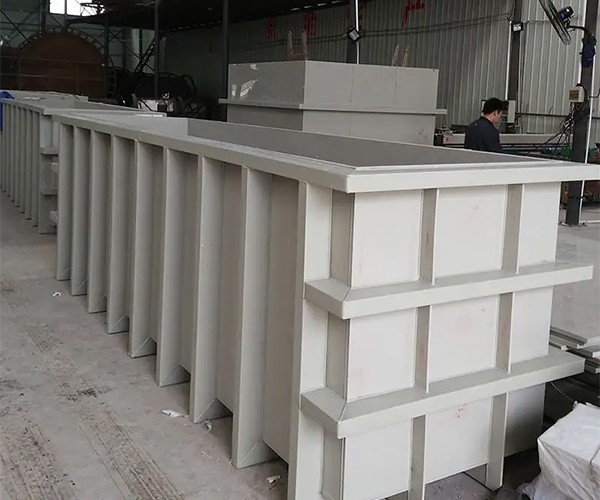
Vinyl ester resin earns its place in industrial work through a hybrid molecular structure. The resin combines epoxy-like strength and corrosion resistance with polyester-like processing ease. That balance explains its use in chemical storage tanks, pipes, scrubbers, and marine structures. It also sets your first evaluation checkpoint. Ask every supplier for a tensile strength benchmark in the 70–90 MPa range. This figure reflects the mechanical performance you should expect from a quality vinyl ester product. A supplier who cannot document this range deserves a closer look before you shortlist them. Processing ease matters too. Vinyl ester cures rapidly through free-radical polymerization, which supports efficient production for time-sensitive projects.
Resin Type | Typical Tensile Strength |
|---|---|
Vinyl ester | 70–90 MPa |
Polyester | 40–90 MPa |
Epoxy | 55–130 MPa |
The table above shows where vinyl ester sits. It overlaps the upper end of polyester and the lower end of epoxy. Treat these ranges as screening data, not a final verdict. Your operating conditions decide which resin family fits.
Corrosion and mechanical data
Corrosion resistance is the property most buyers care about, and it is also the easiest to overstate. Request the test standards behind every corrosion claim. Ask which chemical concentrations the supplier tested and at what temperature. A resin that resists dilute acid at ambient conditions may behave differently in a hot, concentrated stream. Ask for data on water absorption and on resistance to oxidizers such as chlorine bleach. These points matter for underground storage tanks and water treatment systems. Name the standard in your request. A supplier who cites a recognized method gives you a number you can check.
Mechanical data deserves the same scrutiny. Ask for flexural modulus, impact tolerance, and elongation at break. Request the test method behind each number. A tensile figure without a named standard is a marketing claim, not engineering data. Compare the supplier's values against your design loads and safety factors. Ask how the resin performs under sustained stress, not just a short pull test. A supplier with solid data will answer these questions without hesitation.
Batch consistency
Consistency separates a reliable vinyl ester resin supplier from a low-cost one. Ask a direct question: what is the batch-to-batch variance on viscosity, gel time, and peak exotherm? A supplier who tracks these parameters can quote a figure. A supplier who cannot is guessing.
Request a certificate of analysis for each lot. Check that the certificate lists the tested parameters and the acceptance limits. Ask how the supplier links a delivered drum back to its production lot. Lot traceability protects you when a finished part fails and you need to isolate the cause. Ask about shelf life and storage conditions as well. A resin that drifts during storage will surprise you on the shop floor.
Finally, test before you commit. Order samples from at least two production batches, not one. Run your own gel time and cure checks. Compare the results. Repeat the test after storage to confirm the resin still meets its published values. Small differences at this stage become large problems on a production line.
Application fit for your vinyl ester resin supplier
Technical data tells you what a resin can do. Application fit tells you whether it can do it in your plant, on your line, with your process. A resin that performs in a lab but fights your process costs you scrap, rework, and downtime. This second evaluation area separates a supplier who sells drums from a vinyl ester resin supplier who solves problems. Work through two checkpoints here: grade and process matching, then technical support.
Grade and process matching
Grade selection starts with your service environment. Novolac grades fit service above 120°C or aggressive solvents and oxidizing acids. Bisphenol A grades fit standard chemical resistance at moderate temperatures. Match the grade to the chemical family, the concentration, and the temperature your equipment will see. Ask the supplier to state the maximum service temperature for each grade in writing. Viscosity is the next checkpoint. A high-viscosity resin wets out fiber slowly and can leave dry spots in thick laminates. A low-viscosity grade flows into tight reinforcement and suits closed-mold processes.
Rule Composite illustrates how a full product line maps to different jobs. INV-V411 is a bisphenol A grade built for corrosion resistance. INV-V411L-GXX offers low viscosity for vacuum infusion. INV-V416 supports rapid pultrusion. INV-V480 uses MgO thickening for SMC. INV-V650 is a halogen-free flame retardant grade. Each grade answers a different process and performance demand.
Confirm compatibility with your processing method before you order. The table below shows where each grade fits best.
Grade | Best-fit processing method |
|---|---|
INV-V411 | Hand lay-up, spray, winding |
INV-V411L-GXX | Vacuum infusion, RTM |
INV-V416 | Pultrusion |
INV-V480 | SMC |
INV-V650 | Hand lay-up, spray, RTM |
Hand lay-up and spray favor grades with forgiving gel times and good fiber wet-out. RTM and vacuum infusion need low viscosity so the resin fills the mold before it gels. Pultrusion rewards fast-curing grades. Winding suits grades with consistent viscosity and controlled cure. SMC needs thickening behavior. A grade that gels too fast in a large mold can leave cold joints. Ask your shortlisted vinyl ester resin supplier to name the grade they recommend for your method and to explain why. Request a trial run on your actual reinforcement and resin content.
Technical support capability
A grade sheet answers the what. Technical support answers the how. Ask whether the supplier offers formulation guidance for your specific chemical exposure. Ask who you call when a laminate shows dry spots or a cure runs hot. A strong support team reviews your process parameters and suggests adjustments before production starts. Ask about response time and whether support includes on-site visits. Ask for references from customers who run your process.
Test the support before you buy. Send a real application question and measure the response. Ask for a sample and request a cure trial review. A supplier who engages with your data earns trust. A supplier who forwards a brochure does not. Keep a written record of every answer. Compare answers across suppliers on the same question. This checkpoint costs you nothing and reveals a great deal about the partnership you will get after the purchase order.
Regulatory compliance and documentation
Compliance paperwork protects you long after the resin cures. A supplier who documents every claim gives you a defensible trail for audits, customer specifications, and warranty disputes. Treat the paperwork as a deliverable, not an afterthought.
Documentation package
Request a complete package from every shortlisted supplier before you negotiate price. The package should include the technical data sheet (TDS), the safety data sheet (SDS), and test reports for the properties you rely on. Ask for the test method behind each reported value. Confirm that the SDS matches the grade you will actually receive, not a sibling product.
Standards conformance belongs in the same request. BS 4994 originated in the UK and long served as the global reference for the design and construction of GRP vessels. EN 13121-3 has formally superseded it in Europe, yet UK specifications still cite it widely. The table below summarizes what the standard covers.
Aspect | What BS 4994 addresses |
|---|---|
Scope | Design, materials, manufacture, testing, and inspection of FRP vessels |
Application | FRP vessels, including dished-end pressure vessels |
Resin role | Bisphenolic and vinyl ester resins form the inner chemical barrier in contact with stored fluid |
Certification and traceability
Do not accept a certificate at face value. Read the scope statement and confirm it covers the product and process you are buying. A certificate issued for a different grade or plant tells you nothing about your drum.
Traceability closes the loop. Ask the supplier to link each delivered lot to its production record and test results. Request the lot number on the label and on the certificate of analysis. Verify that the two match before you release the resin to production. A supplier who answers these checks promptly demonstrates control over the process. A supplier who deflects them leaves you carrying the risk.
Cost and supply reliability
Price per kilogram tells you little about what a resin costs you over time. Vinyl ester costs more than polyester upfront, yet it delivers better strength, a wider temperature range, and stronger fire resistance. Compare total cost of ownership instead of sticker price.
Total cost of ownership
The table below shows how the math works out for FRP grating in a chemical environment.
TCO Factor | Vinyl Ester FRP Grating | Polyester FRP Grating |
|---|---|---|
Relative material cost | 1.3x–1.5x polyester | 1.0x (baseline) |
Initial panel cost (1.5 in, molded, standard mesh) | ~$35–$65 per sq ft | ~$25–$45 per sq ft |
Installation labor | Essentially identical | Essentially identical |
Typical service life (chemical environment) | 15–25+ years | 5–10 years |
Replacement needs over 20 years | None required | 1–2 replacements |
20-year total investment | 1.3x–1.5x initial | 2x–3x initial |
The higher upfront premium pays back through extended service life and fewer replacements. Vinyl ester also resists corrosion better than polyester in saltwater, humidity, and biological exposure, which cuts repair frequency. Stricter environmental rules favor longer-lasting composites, and lightweight vinyl ester parts improve fuel efficiency. Replacement work carries hidden costs too: downtime, labor, and disposal. Ask each vinyl ester resin supplier for lifecycle data on your application.
Supply and pricing stability
Feedstock costs for vinyl ester production stayed relatively stable during Q4 2025, according to market reports. That stability limited upward pressure on final pricing. Ask your supplier how they track feedstock trends and whether they pass savings through.
Lead times and stock availability matter just as much. Ask a vinyl ester resin supplier for a written lead-time commitment and confirm stock levels for your grade. A supplier with regional warehousing shortens your wait. A supplier who manufactures to order may offer better pricing on large volumes. Confirm the supplier's capacity to scale with your demand. Match the supplier profile to your order pattern, and revisit the comparison each time you issue an RFQ.
Treat the four areas as one reusable scorecard. Score each vinyl ester resin supplier on technical performance, application fit, compliance, and cost and supply. The most reliable supplier scores well across all four areas. The lowest price or a single strong claim will not carry a supplier through an audit.
Apply these checkpoints in your next supplier audit or RFQ. Start with the documentation package and samples from each shortlisted supplier. Run your own tests, compare the answers, and keep a written record. A supplier who answers every question with evidence earns your order.
FAQ
How many samples should you test before approving a supplier?
Order samples from at least two production batches. Run your own gel time and cure checks on each one. Repeat the tests after storage to confirm the resin still meets its published values. This step exposes batch-to-batch drift before it reaches your production line.
Which grade should you pick for a hot chemical stream?
Start with your service temperature and chemical family. Novolac grades fit service above 120°C or aggressive solvents and oxidizing acids. Bisphenol A grades fit standard chemical resistance at moderate temperatures. Ask the supplier to confirm the maximum service temperature in writing.
What paperwork should you demand before the first order?
Request the TDS, the SDS, and test reports for the properties you rely on. Ask for the test method behind each value. Confirm standards conformance, such as BS 4994 for FRP vessels. Verify that each certificate covers the grade and plant you are buying from.
How do you check lot traceability?
Ask the supplier to link each delivered drum to its production record and test results. Confirm that the lot number on the label matches the certificate of analysis. Release the resin to production only after the two agree.
Is a lower price per kilogram ever the better deal?
Rarely. Vinyl ester costs more than polyester upfront, yet it delivers better strength, a wider temperature range, and stronger fire resistance. Compare total cost of ownership across the service life. Ask each supplier for lifecycle data on your application, then weigh price against replacement and downtime costs.