



 yomi@rulecomposite.com



how to fix flexible resin
 Apr 11, 2025|
 View:2815
Flexible resin is a versatile material widely used in 3D printing, prototyping, and applications requiring elasticity, such as wearable devices, soft robotics, and impact-resistant components. However, issues like cracking, warping, or incomplete curing can arise during printing or post-processing. This article explores practical solutions to fix flexible resin-based projects, ensuring durability and functionality.
Understanding Flexible Resin Properties
Flexible resin, often marketed as "Flex" or "Elastic" resin, mimics rubber-like flexibility while retaining structural integrity. Its key characteristics include:
High elasticity: Ideal for shock absorption and bendable designs.
Durability: Resistant to wear and tear in dynamic applications.
Semi-transparency: Some formulations allow light transmission, useful for optical or medical prototypes.
However, its flexibility also introduces challenges, such as adhesion issues during printing or post-curing deformities. Addressing these requires a combination of technical adjustments and material-specific fixes.
Common Issues with Flexible Resin and Fixes
1.Surface Imperfections and Cracking
Problem: Flexible resin may develop cracks or rough surfaces due to improper curing or mechanical stress.
Solution:
Sanding and Polishing: Use fine-grit sandpaper (#3000 or higher) to smooth surfaces. For optical clarity, apply a clear acrylic spray or resin coating to fill micro-cracks.
Post-Curing Adjustments: Ensure adequate UV exposure during curing. Under-cured resin remains tacky, while over-curing can brittleness.
2.Layer Separation or Warping
Problem: Layers may delaminate if printing parameters (e.g., exposure time) are mismatched with the resin’s viscosity.
Solution:
Optimize Print Settings: Increase bottom layer exposure time to enhance bed adhesion. Reduce lift speed to minimize stress on flexible layers.
Reinforce with Secondary Materials: Inject epoxy or silicone into delaminated areas for structural support, a technique borrowed from composite repair methods.
3.Sticky or Uncured Resin
Problem: Residual uncured resin on the surface compromises flexibility and safety.
Solution:
Thorough Cleaning: Soak prints in isopropyl alcohol (IPA) for 10–15 minutes, ensuring all uncured resin is removed.
Re-curing: Post-wash, expose the print to UV light for an additional 1–2 minutes to stabilize the material.

Advanced Repair Techniques for Flexible Resin
1.Chemical Bonding for Severe Damage
For large cracks or broken parts:
Adhesive Selection: Use cyanoacrylate (super glue) or flexible epoxy designed for polymers. Avoid rigid adhesives that restrict movement.
Surface Preparation: Roughen mating surfaces with sandpaper and clean with IPA to enhance bond strength.
2.Material Reinforcement
Embedding supportive structures can prevent future failures:
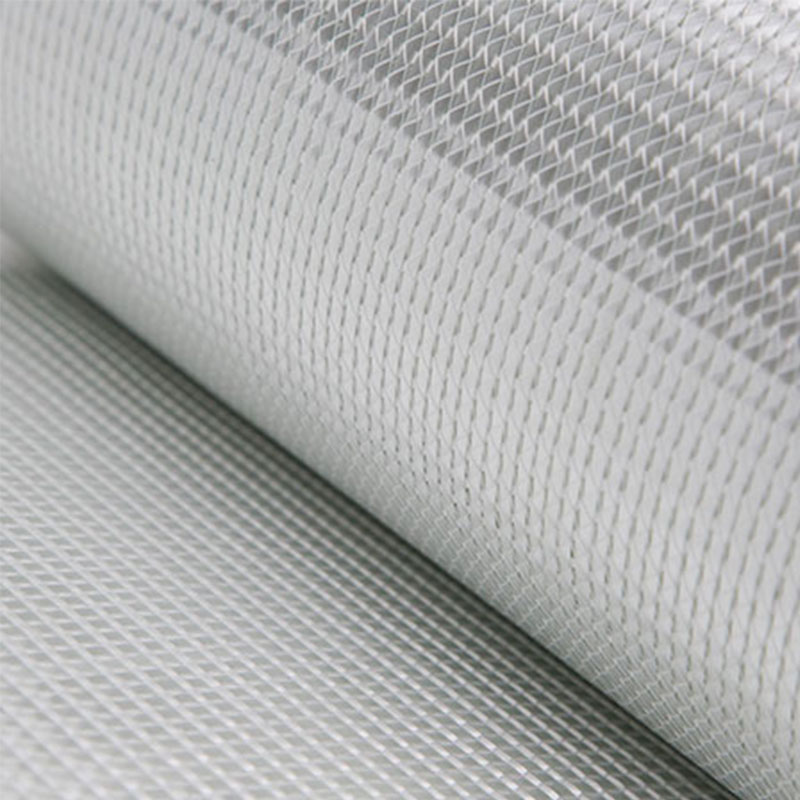
Fiber Mesh Integration: Place nylon or carbon fiber mesh within the resin during printing for added tensile strength.
Hybrid Printing: Combine flexible resin with rigid resins in stress-prone areas using multi-material 3D printers.
3.Thermal Reconditioning
Flexible resin’s dynamic bonds allow limited thermal reshaping:
Heat Treatment: Warm the resin to 50–60°C (using a heat gun or oven) to soften and reshape deformed parts.
Annealing: Gradually cool the resin to room temperature to relieve internal stresses.
Preventive Measures for Longevity
1.Optimal Printing Conditions
Temperature Control: Maintain a stable printing environment (20–25°C) to prevent viscosity changes.
Resin Storage: Keep flexible resin in UV-proof containers to avoid premature curing.
2.Design Considerations
Avoid Sharp Corners: Rounded edges reduce stress concentration.
Uniform Wall Thickness: Ensures even curing and minimizes warping.
3.Post-Processing Protocols
Sealing: Apply a thin layer of silicone spray to protect against moisture and UV degradation.
Regular Inspections: Check for micro-cracks or wear, especially in high-stress applications.
Conclusion
Fixing flexible resin requires a blend of technical precision and material science insights. From addressing surface flaws with sanding and coatings to repairing structural damage through chemical bonding or thermal reconditioning, each solution leverages the resin’s unique properties. Preventive measures, such as optimizing print parameters and design, further enhance longevity. As flexible resin continues to revolutionize industries like healthcare, robotics, and consumer goods, mastering these repair techniques ensures reliable performance in innovative applications. By integrating these strategies, users can fully exploit the potential of flexible resin while mitigating its inherent challenges.