



 yomi@rulecomposite.com




how to make flexible resin
 May 29, 2025|
 View:2253
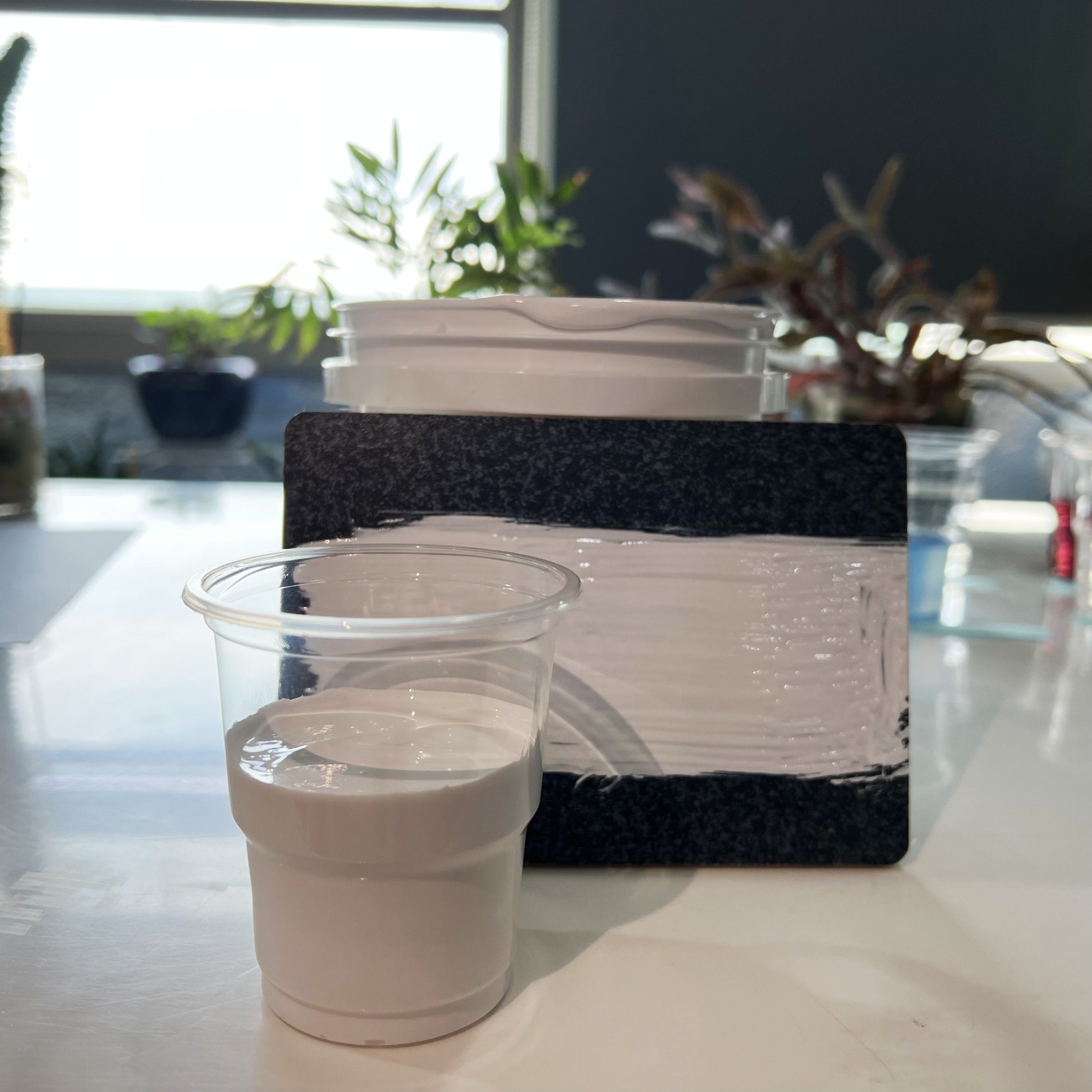
Flexible resin is a versatile material widely used in various industries, including 3D printing, prototyping, and crafting. Its ability to bend and stretch without breaking makes it a popular choice for creating objects that require durability and elasticity. If you're interested in making your own flexible resin, this article will guide you through the process step by step.
Understanding the Basics of Flexible Resin
Before diving into the manufacturing process, it's essential to understand what flexible resin is. Flexible resin is a type of photopolymer resin that cures when exposed to ultraviolet (UV) light. Unlike rigid resins, which harden into a solid, brittle state, flexible resins retain a degree of elasticity, allowing them to flex and return to their original shape. This property is achieved by incorporating specific additives and modifying the resin's chemical composition.
Gathering the Necessary Materials
To make flexible resin, you'll need a few key ingredients and tools:
Base Resin: Start with a standard photopolymer resin as your base. This will form the foundation of your flexible resin.
Flexibilizer: This is the additive that will give your resin its flexibility. Common flexibilizers include polyurethane oligomers, silicone oils, or certain types of elastomers.
Photoinitiator: This compound triggers the curing process when exposed to UV light. Ensure it's compatible with your base resin and flexibilizer.
UV Light Source: You'll need a UV lamp or a 3D printer with a UV curing station to cure your resin.
Mixing Containers and Stirrers: Use clean, non-reactive containers to mix your ingredients, and stirrers to ensure thorough blending.
Safety Gear: Wear gloves, goggles, and a respirator to protect yourself from potential skin and respiratory irritants.
Step-by-Step Guide to Making Flexible Resin
Step 1: Prepare Your Workspace
Set up a clean, well-ventilated area to work in. Ensure all your materials and tools are within reach and that you're wearing the appropriate safety gear.
Step 2: Measure and Combine Ingredients
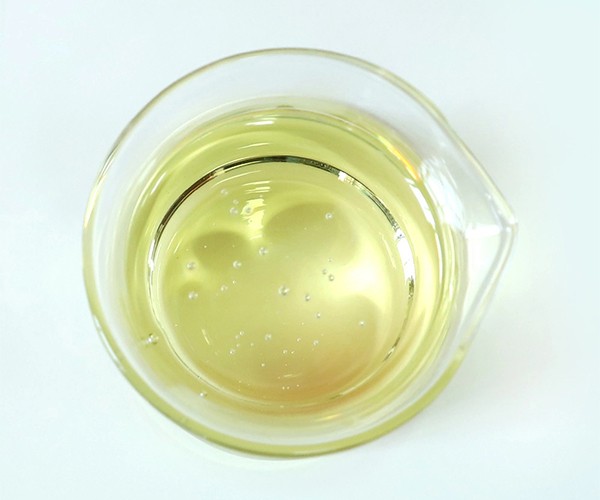
Base Resin: Pour the desired amount of base resin into a mixing container. The exact quantity will depend on how much flexible resin you want to make.
Flexibilizer: Gradually add the flexibilizer to the base resin. Start with a small amount (e.g., 5-10% of the base resin's volume) and mix thoroughly. You can adjust the ratio later based on the desired flexibility.
Photoinitiator: Add the photoinitiator according to the manufacturer's instructions. Typically, this will be a small percentage (e.g., 1-3%) of the total resin mixture.
Step 3: Mix Thoroughly
Use a stirrer to blend the ingredients until you achieve a homogeneous mixture. Ensure there are no lumps or streaks of unmixed resin.
Step 4: Test the Mixture
Before committing to a large batch, it's a good idea to test a small sample. Pour a small amount of your flexible resin mixture into a mold or onto a flat surface. Cure it under UV light according to the recommended time for your base resin. Once cured, test the flexibility by bending or stretching the sample. Adjust the flexibilizer ratio if necessary to achieve the desired level of elasticity.
Step 5: Cure Your Flexible Resin
Once you're satisfied with the mixture, you can proceed to cure larger quantities. Pour the resin into your desired mold or use it in your 3D printer. Expose it to UV light for the recommended curing time. Keep in mind that the curing time may vary depending on the thickness of your resin layer and the intensity of your UV light source.
Conclusion
Making flexible resin at home is a rewarding process that allows you to customize the material's properties to suit your specific needs. By following the steps outlined in this article, you can create a flexible resin that offers the perfect balance of durability and elasticity. Remember to always prioritize safety when working with chemicals and to test your mixtures thoroughly before using them in larger projects. With practice and experimentation, you'll be able to refine your flexible resin recipe and produce high-quality, flexible objects for a variety of applications. Whether you're a hobbyist, a maker, or a professional, mastering the art of making flexible resin opens up a world of creative possibilities.