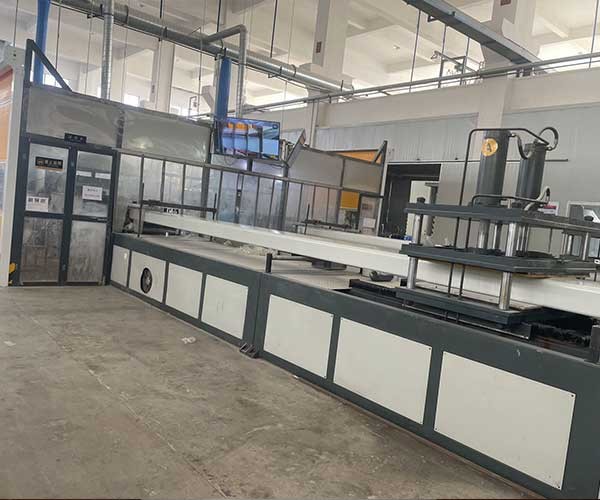
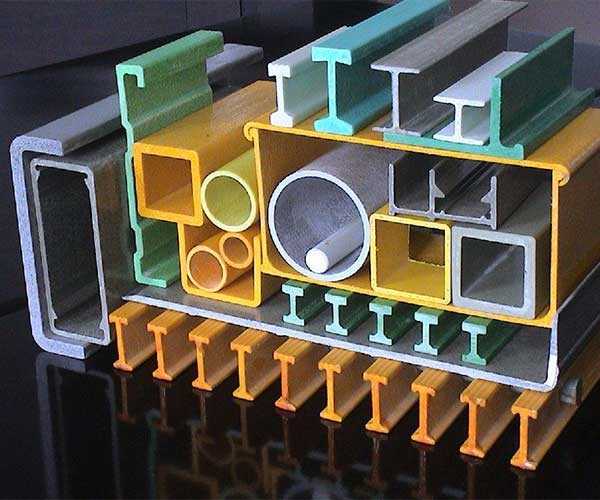
Pultrusion process is a kind of forming method for continuous production of frp profiles.It is different from other molding processes in that the material is solidified in the mold cavity at high temperature,and the mold cavity is pulled out by external force.
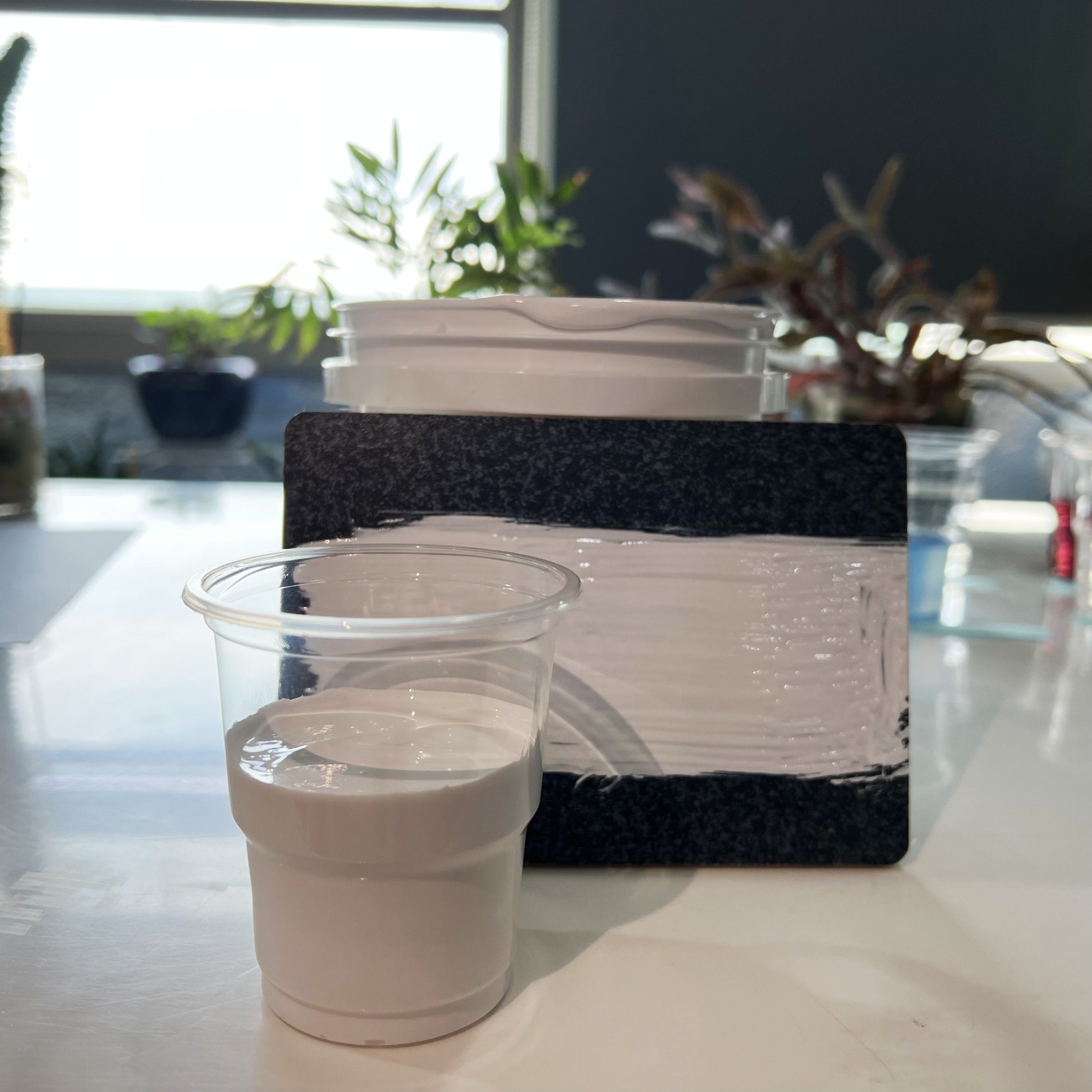
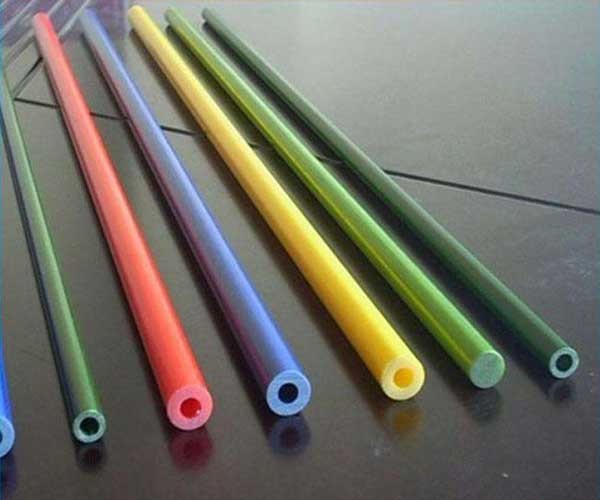
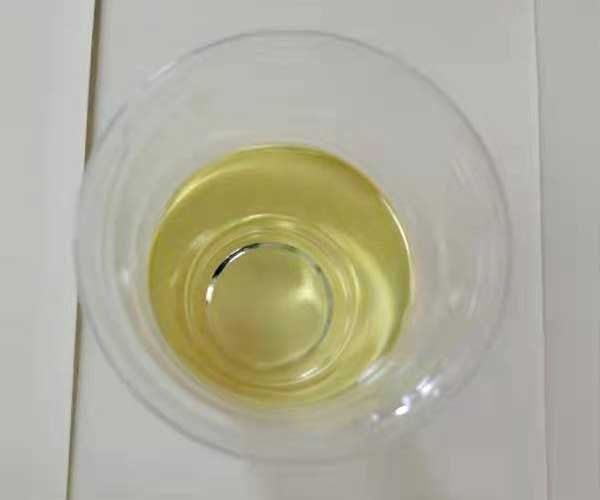
The pultrusion resin is a transparent viscous liquid or a light yellow transparent liquid.The pultrusion resin has the characteristics of high mechanical strength and toughness,good surface quality,corrosion resistance, etc. Pultrusion resin is suitable for pultrusion rods and profiles,such as spray rods,mosquito net rods,etc.
| Item No. | Gel Time Min(25℃) | Chemical Category | Product Feature | Application Field |
| RC-31029 | 4.0-6.0 | O-phthalate | Heat-resistant, excellent mechanical properties, high modulus and high hardness | High-speed extrusion processes |
| RC-130 | 7.0-10.0 | O-phthalate | Good rigidity, not easy to deform | Extrusion and manufacturing of fishing poles, tent poles, grilles and other products |
| RC-R-1001 | 9.1-16.9 | O-phthalate | Good mechanical strength, high elongation and strong versatility | Glass fiber reinforced plastic products by pultrusion |
| TR-P792 | 6.0-10.0 | O-phthalate | High strength, good toughness and good heat resistance | Tent pole, fishing rod and other products |
| TR-P795 | 6.0-10.0 | O-phthalate | Moderate viscosity, high reactivity and excellent mechanical properties | Pultrusion process and FRP products |
| TR-P995 | 6.0-10.0 | Isophthalic | High strength, good toughness and heat resistance | Pultrusion process, tent poles, fishing rods and other products |
Advantages:
1.Corrosion Resistance: Pultrusion resin forms a protective barrier against water, salt, and chemicals, making pultruded composites ideal for coastal bridges, marine structures, and industrial environments where traditional materials like steel or concrete often fail.
2.High Strength-to-Weight Ratio: Pultrusion resin-reinforced composites are lighter than steel (up to 80% less) and aluminum (30% less) while matching or exceeding their tensile strength, enabling efficient transportation and installation.
3.Design Flexibility: Pultrusion resin allows precise control over fiber alignment and resin distribution, enabling tailored mechanical properties, such as fire resistance or electromagnetic transparency, for specialized applications like radomes or medical equipment.
4.Cost Efficiency: The continuous pultrusion process reduces labor costs and material waste, while pultrusion resin’s fast curing and compatibility with high-speed production lines further lower manufacturing expenses.
5.Durability & Sustainability: Pultrusion resin enhances product longevity by resisting fatigue, UV degradation, and environmental wear, reducing lifecycle costs and supporting sustainability goals through fewer replacements and lower carbon emissions.
Applications:
1.Infrastructure Construction: Pultrusion resin is widely used in producing corrosion-resistant, high-strength composite profiles for bridges, beams, and poles, enhancing structural durability in modern infrastructure projects.
2.Wind Energy Sector: Pultrusion resin enables the manufacturing of lightweight yet robust components for wind turbine blades, improving energy efficiency and reducing material fatigue in renewable energy systems.
3.Electrical Engineering: The resin is applied to create dielectric structures and fiberglass rods for composite insulators, ensuring reliable performance in high-voltage electrical transmission and signaling systems.
4.Transportation: Pultrusion resin supports the production of automotive parts and ladder rails, offering lightweight solutions with high mechanical strength for vehicle safety and industrial equipment.
5.Sports & Leisure: This material is utilized in crafting skis, ski poles, and golf course flagsticks, leveraging its enhanced strength properties to meet the demands of high-performance sports equipment manufacturing.
FAQ
1. What is pultrusion resin mainly used for?
Our pultrusion resin is designed for continuous production of FRP profiles, rebars, gratings, beams, poles and structural parts through the pultrusion process.
2. What are the main advantages of your pultrusion resin?
It features fast curing, good fiber impregnation, high mechanical strength, excellent corrosion resistance and stable performance for high-speed pultrusion lines.
3. What working temperature is suitable for pultrusion resin?
It performs well with die temperatures from 130°C to 180°C, allowing stable production with fast line speeds while maintaining good profile surface quality.
4. Is your pultrusion resin resistant to weathering and corrosion?
Yes, it offers excellent UV resistance, chemical stability and long-term durability, ideal for outdoor construction, industrial and anti-corrosion applications.
5.
Can this resin be used with glass and carbon fibers?
Absolutely. It has excellent wettability and adhesion to glass fiber, carbon fiber and other reinforcements, ensuring uniform and high-strength profiles.




 yomi@rulecomposite.com