



 yomi@rulecomposite.com



Is unsaturated polyester resin safe
 Aug 29, 2025|
 View:3451
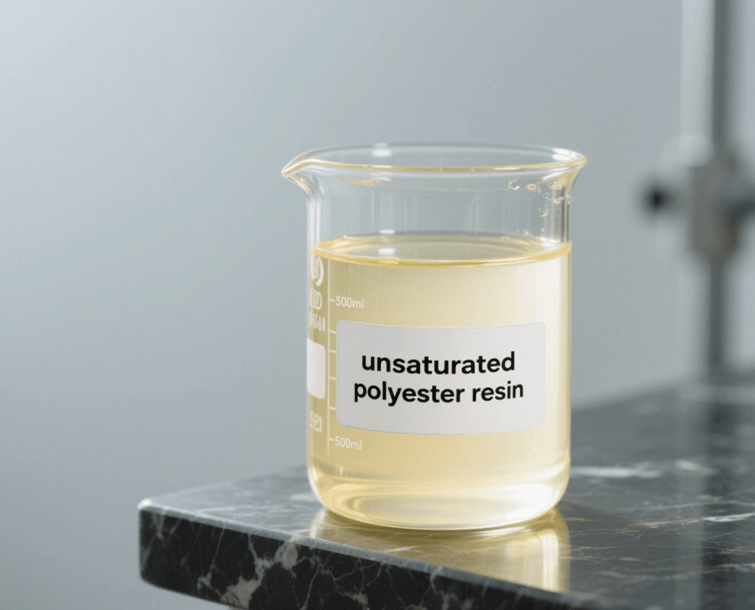
Unsaturated polyester resin (UPR), a cornerstone material in industries ranging from automotive composites to marine construction, is neither inherently safe nor universally hazardous. Its safety profile depends on its chemical composition, handling protocols, and end-use applications. By examining its toxicological properties, regulatory standards, and industry practices, we can assess the risks and benefits of this versatile material.
Chemical Composition and Toxicity Risks
The primary safety concern surrounding UPR stems from its key component: styrene. This volatile organic compound (VOC) acts as a cross-linking agent during curing but poses significant health risks when inhaled or exposed to skin. According to material safety data sheets (MSDS), styrene is classified as a Category 3 flammable liquid and a Category 1 skin sensitizer under the Globally Harmonized System (GHS). Chronic exposure to styrene vapors has been linked to neurological symptoms such as headaches, fatigue, and impaired coordination, while acute inhalation can cause eye irritation, respiratory distress, and nausea. A 2020 MSDS for a UPR product noted that styrene constitutes 25–45% of its formulation, with occupational exposure limits (OELs) set at 50 ppm (8-hour time-weighted average) by OSHA and 20 ppm by ACGIH, reflecting evolving safety standards.
In addition to styrene, UPR formulations may contain organic peroxides (e.g., MEKP) as catalysts. These compounds are highly reactive, flammable, and corrosive, requiring strict temperature controls during storage and handling. For instance, improper mixing of peroxides with resin can trigger premature polymerization, releasing heat and toxic gases. A 2015 safety report highlighted a case where a worker suffered chemical burns after mishandling a peroxide-accelerated UPR system, underscoring the need for specialized training.
Occupational Safety Measures
To mitigate risks, industries have adopted multi-layered safety protocols. Engineering controls such as local exhaust ventilation (LEV) systems are critical for reducing airborne styrene concentrations below OELs. A 2012 study by Milamar Coatings demonstrated that LEV reduced worker exposure by 70% in spray-layup operations. Personal protective equipment (PPE) is equally vital: NIOSH-approved respirators with organic vapor cartridges, nitrile gloves, and chemical goggles are standard for handling uncured resin.
Storage and transportation guidelines further minimize hazards. UPR must be kept in cool, well-ventilated areas away from oxidizers and acids, with containers grounded to prevent static discharge. The International Maritime Organization (IMO) classifies UPR as a Class 3 flammable liquid, mandating UN-approved packaging and hazard labeling for shipments. During the 2021 Suez Canal blockage, a cargo ship carrying UPR containers adhered to these protocols, avoiding combustion risks despite prolonged delays in high temperatures.
Environmental and Regulatory Compliance
Environmental agencies have imposed strict regulations on UPR emissions. The U.S. EPA’s National Emission Standards for Hazardous Air Pollutants (NESHAP) limit styrene emissions from composite manufacturing to 50 mg/kg of product, pushing firms to adopt closed-molding technologies. In the EU, REACH requires manufacturers to submit toxicity data and implement risk management plans. These regulations have driven innovation: water-based UPR systems now reduce VOC emissions by 90% compared to traditional solvent-based formulations.
Cured UPR, in contrast, exhibits minimal hazards. Once polymerized, the material becomes inert, resistant to water, chemicals, and UV degradation. This stability makes it ideal for long-term applications like wind turbine blades and chemical storage tanks. A 2018 lifecycle analysis by PlasticsEurope confirmed that cured UPR poses negligible ecological risks, though disposal of uncured waste remains a concern.
Conclusion
Unsaturated polyester resin occupies a nuanced position in the safety landscape. While its uncured state demands rigorous precautions—from styrene exposure controls to fire prevention measures—these risks are manageable through adherence to OSHA guidelines, engineering innovations, and regulatory compliance. The material’s post-curing inertness and recyclability further enhance its sustainability profile. For industries reliant on UPR’s cost-effectiveness and versatility, the path forward lies in balancing productivity with safety investments: training workers, upgrading ventilation systems, and transitioning to low-VOC formulations. By doing so, the sector can ensure that unsaturated polyester resin remains a safe, viable solution for decades to come, even as global demand for composite materials continues to rise. Ultimately, the safety of unsaturated polyester resin is not an inherent trait but a collective responsibility shaped by technology, policy, and human vigilance.
Recent News
1.What is the difference between saturated polyester resin and unsaturated polyester resin
2025-08-212.what is unsaturated polyester resin
2025-03-263.What is the raw material for unsaturated polyester resin
2024-08-234.How is unsaturated polyester resin made
2022-08-315.What are the characteristics of unsaturated polyester resin
2022-08-266.What are the uses of unsaturated polyester resin
2022-07-25