



 yomi@rulecomposite.com



What is marine resin
 Nov 29, 2025|
 View:1359
Marine resin represents a specialized class of polymeric materials engineered to thrive in the most demanding aquatic environments. Unlike conventional resins, these formulations incorporate advanced chemical modifications to resist saltwater corrosion, UV degradation, and mechanical stress from waves and marine organisms. Their applications span from small recreational boats to massive offshore structures, serving as the backbone of marine material innovation. This article explores the composition, classifications, and transformative applications of marine resin, revealing why it has become indispensable in maritime industries worldwide.
Chemical Composition and Core Properties
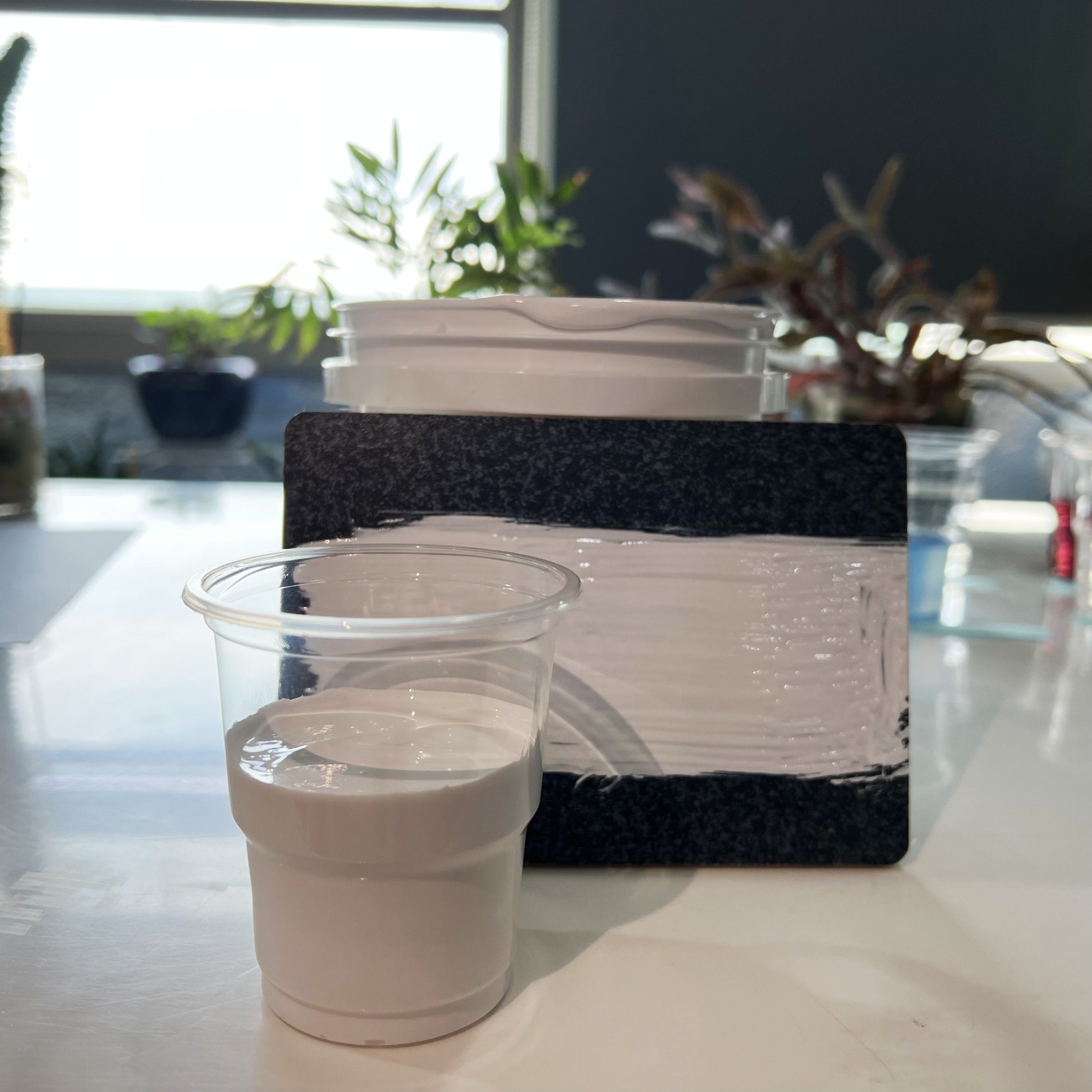
Marine resins are typically synthesized through two primary chemical pathways: epoxy-based and vinyl ester-based systems. Epoxy marine resins, such as the TAP Marine Grade 314, feature a low-viscosity, two-part formulation that cures into a rigid, transparent matrix with zero volatile organic compounds (VOCs). These resins achieve full mechanical properties within seven days and incorporate UV stabilizers to prevent yellowing and cracking under prolonged sun exposure. Vinyl ester resins, like Novalac epoxy vinyl ester, offer superior tensile strength and chemical resistance, making them ideal for high-stress applications like offshore platforms.
A defining characteristic of marine resins is their hydrophobic nature. By integrating fluorinated monomers or silane coupling agents, manufacturers create surfaces that repel water molecules, minimizing osmotic blistering—a common failure mode in submerged structures. Additionally, anti-fouling additives inhibit the growth of barnacles and algae, reducing drag and maintenance costs for vessels. For instance, UltraClear Marine Epoxy’s translucent finish not only protects hulls but also allows for aesthetic customization without compromising performance.
Classification and Material Selection
The marine resin market categorizes products based on application severity and cost-performance requirements:
1.Unsaturated Polyester Resins (UPR)
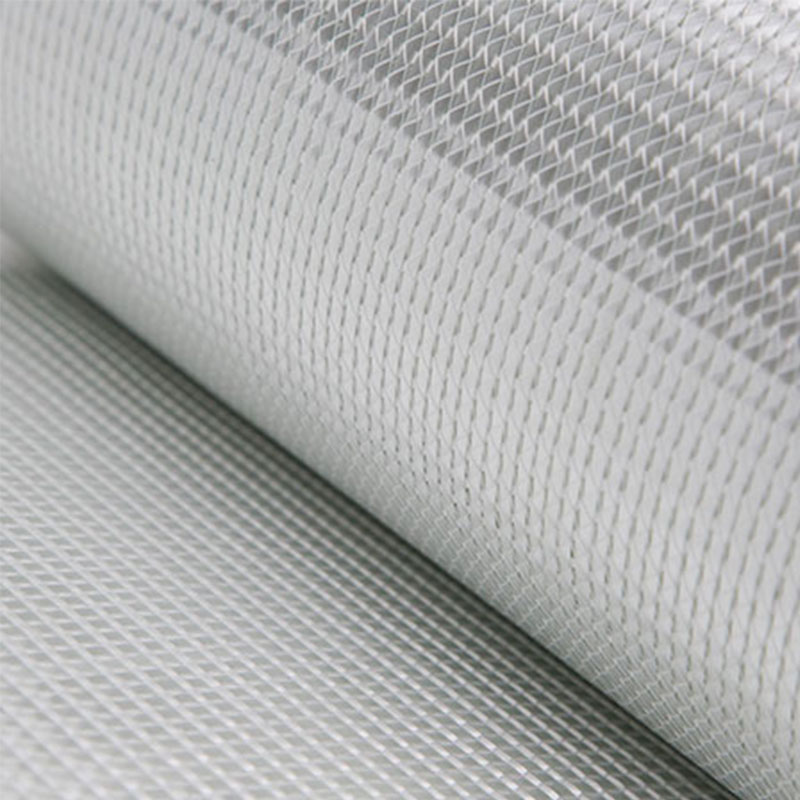
The most cost-effective option, UPRs dominate fiberglass boat manufacturing due to their excellent processability and corrosion resistance. Marine-grade UPRs, reinforced with fiberglass mats, produce lightweight hulls capable of withstanding decades of seawater exposure. A 2023 study by the European Epoxy Resin Committee highlighted their role in reducing pipeline maintenance costs by 40% in coastal installations.
2.Vinyl Ester Resins
Positioned as premium alternatives, vinyl esters combine the processability of UPRs with epoxy-like durability. Their cross-linked molecular structure resists microcracking, making them suitable for cryogenic tanks and high-pressure vessels. The global vinyl ester market is projected to grow at 6.2% CAGR through 2030, driven by demand for fuel-efficient ship designs.
3.Epoxy Resins
Epoxy-based marine resins excel in structural bonding and repair applications. Their 100% solids content ensures minimal shrinkage during curing, while fast-curing variants like TAP 314 enable overnight repairs on operational vessels. A comparison study by Realland Composites demonstrated that epoxy-repaired hulls retained 92% of their original strength after five years of service, versus 65% for conventional polyester repairs.

Transformative Applications Across Industries
1.Shipbuilding and Repair
Marine resins have revolutionized boat construction by enabling composite materials that are 30% lighter than steel yet equally strong. Fiberglass-reinforced UPR hulls now account for 85% of recreational boats globally, reducing fuel consumption by 15–20%. For critical repairs, epoxy resins like UltraClear’s variant penetrate porous substrates to restore structural integrity, with some formulations achieving bond strengths exceeding 2,500 PSI.
2.Offshore Infrastructure
The offshore oil and gas sector relies on vinyl ester resins for corrosion-resistant coatings on platforms and pipelines. A 2024 case study in the North Sea showed that vinyl ester-lined pipelines maintained flow rates 18% higher than uncoated counterparts over a 10-year period. Similarly, epoxy-based grouting materials stabilize foundation piles in soft seabed soils, withstanding tidal forces up to 50 kN/m².
3.Renewable Energy
Marine resins play a pivotal role in offshore wind turbine installation. UPR-based molds produce 80-meter-long blades with precision tolerances below 0.5mm, while epoxy adhesives bond blade segments with shear strengths of 12 MPa. The materials’ low thermal expansion coefficients (≤30 ppm/°C) ensure dimensional stability amid temperature fluctuations.
4.Architectural and Artistic Applications
Beyond industrial uses, marine resins enable waterproof coatings for coastal buildings and artistic installations. Transparent epoxy resins encapsulate marine artifacts in museums, creating airtight displays that resist humidity-induced degradation. Architects also leverage UPR’s moldability to design organic-shaped facades that mimic ocean waves, as seen in the 2023 Dubai Marina Pavilion.
Environmental and Economic Imperatives
The shift to marine resins aligns with global sustainability goals. By replacing steel with composites, shipbuilders reduce CO₂ emissions by 40% per vessel. Additionally, the longevity of resin-coated structures cuts lifecycle costs by 60% compared to traditional materials. For example, a 2025 lifecycle assessment by Lloyd’s Register found that vinyl ester-coated pipelines required 75% fewer replacements over 30 years, translating to $12 million in savings per kilometer.
Conclusion: The Indispensable Role of Marine Resin
Marine resin has emerged as a cornerstone of modern maritime technology, offering unmatched durability, versatility, and environmental efficiency. From protecting offshore wind farms to extending the lifespan of cargo ships, these materials address the dual challenges of performance and sustainability in aquatic environments. As industries prioritize lightweight design and zero-maintenance solutions, marine resin will continue to evolve through innovations like self-healing coatings and bio-based formulations. Its ability to adapt to extreme conditions—whether submerged pipelines or Arctic exploration vessels—cements its status as the material of choice for engineers and designers navigating the world’s oceans. In an era defined by climate resilience, marine resin stands not just as a product, but as a catalyst for sustainable progress across global waterways.