


 yomi@rulecomposite.com



what is vinyl ester resin used for
 Mar 24, 2025|
 View:3118
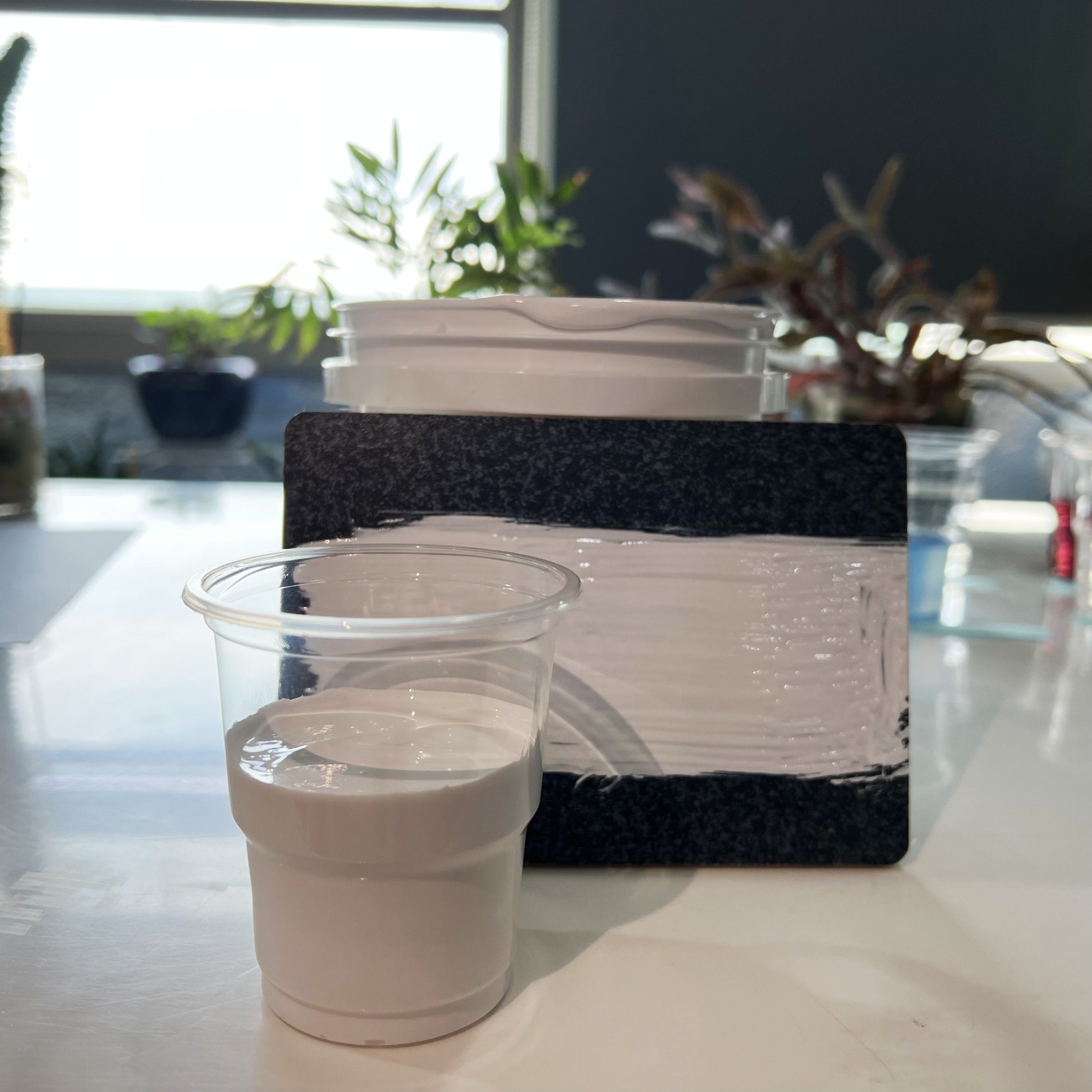
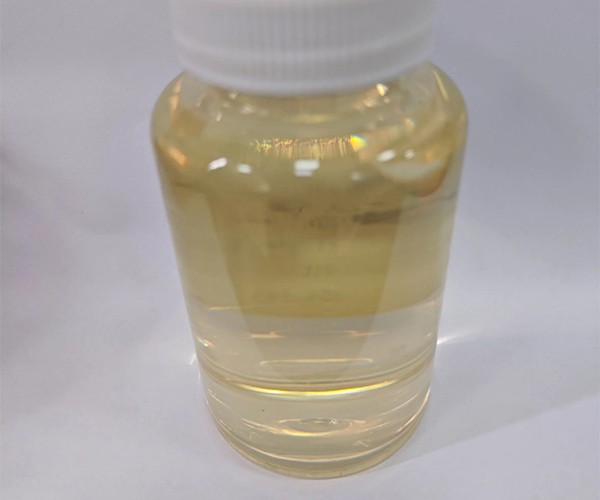
Vinyl ester resin, also known as VER, is a modified epoxy resin obtained through the reaction between bisphenol A or phenolic epoxy resin and methacrylic acid. This type of resin falls into the category of thermoset resins, renowned for its exceptional chemical resistance, mechanical properties, and thermal stability. The integration of methacrylic acid into the epoxy resin structure not only retains the advantages of traditional epoxy resins but also enhances its curing and molding characteristics, allowing it to dissolve in styrene and acrylic monomers, which offers greater flexibility during processing.
Versatile Applications in Various Industries
Corrosion-Resistant Materials
Due to its outstanding corrosion resistance, vinyl ester resin is widely utilized in the production of corrosion-resistant coatings, linings, and structural materials. This makes it a preferred choice in industries such as chemicals, petroleum, and electricity, where exposure to harsh chemicals and extreme conditions is common. The corrosion resistance of vinyl ester resin spans a broad range of chemicals, including strong acids, alkalis, and solvents, making it a reliable material for long-term durability in aggressive environments.
Composite Materials
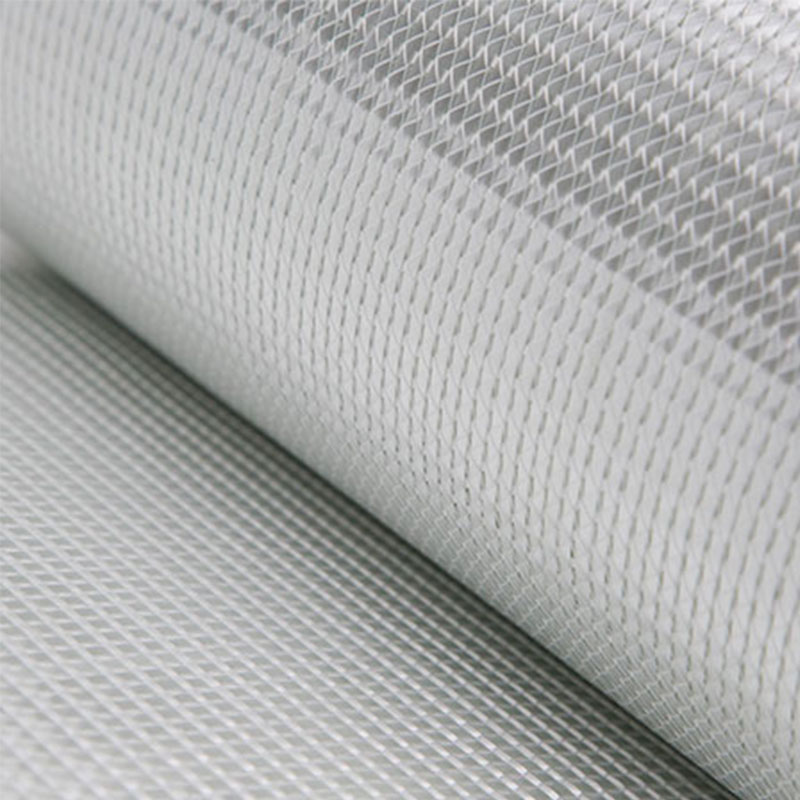
Vinyl ester resin is also employed in the production of high-quality fiber-reinforced plastic (FRP) products. These include electrical insulation components, industrial pumps and valves, and sporting goods like golf club heads. The resin's ability to bond well with glass fibers and other reinforcing materials enhances the mechanical strength of the composites, making them suitable for applications requiring high structural integrity and corrosion resistance.
Other Applications
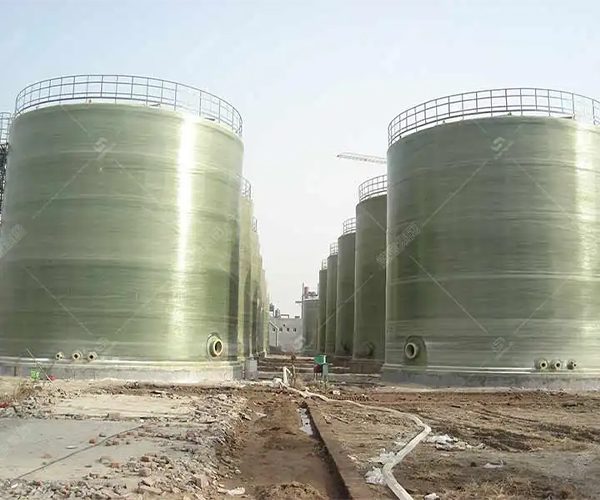
Beyond its use in corrosion-resistant and composite materials, vinyl ester resin finds applications in the manufacture of storage tanks, pipelines, and floor coatings that resist corrosion. Its versatility extends to printing, photosensitive inks, and photosensitive coatings in the paint industry, as well as in the production of photoresist films on printed circuit boards (PCBs) in the electronics industry.
Unique Properties and Benefits
High Corrosion Resistance: Vinyl ester resin's robust resistance to a wide array of chemicals, including strong acids, alkalis, and solvents, positions it as a front-runner in corrosion protection.
Excellent Mechanical Properties: The resin boasts high strength, toughness, and wear resistance, ensuring durability and reliability in various applications.
Thermal Stability: Vinyl ester resin can be used at elevated temperatures without significant degradation in performance, thanks to its thermal stability.
Enhanced Processing Capabilities: Its solubility in styrene and acrylic monomers allows for easy mixing with other materials and facilitates molding, extrusion, and injection processes.
Innovations and Specialized Applications
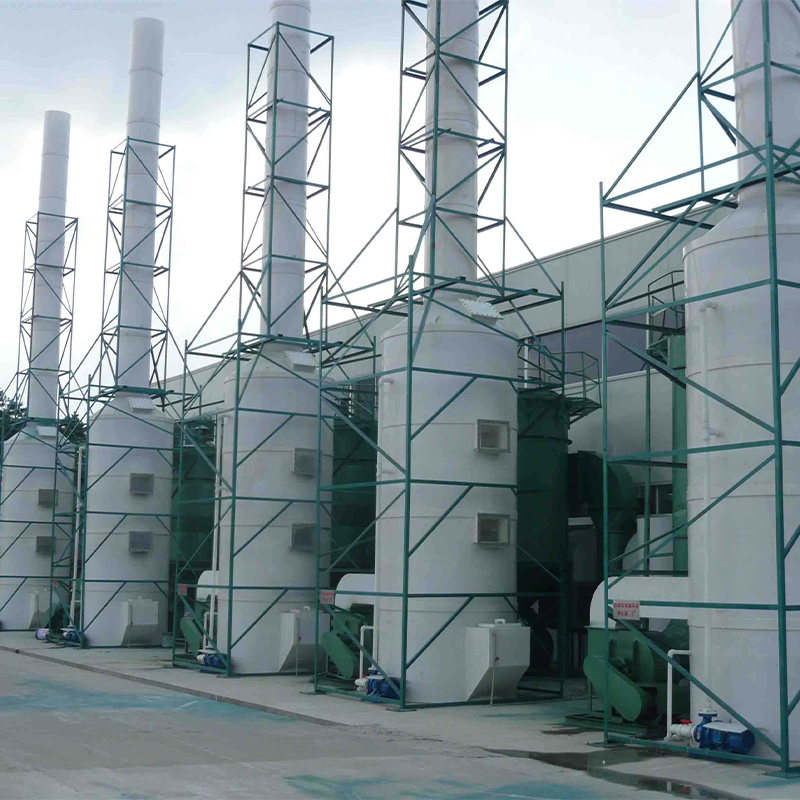
Recent advancements in vinyl ester resin technology have led to the development of specialized grades tailored for specific applications. For instance, high-crosslinking density phenolic epoxy vinyl ester resins are formulated to withstand high temperatures and intense corrosion, making them ideal for applications such as flue gas desulfurization (FGD) units and high-temperature chimneys.
Flexible vinyl ester resins have been developed to meet the demands of corrosion prevention engineering. These resins exhibit high adhesion to steel and concrete surfaces, improved elongation, and enhanced bonding strength compared to traditional epoxy vinyl ester resins. They are used in corrosion-resistant linings, crack filling materials, and primer resins, offering cost savings and improved overall performance.
In the field of FRP production, vinyl ester resins with improved impact resistance have been introduced. These resins, often modified with rubber, such as carboxyl-terminated butadiene nitrile (CTBN) and butadiene nitrile rubber (BNR), exhibit significantly higher elongation and impact strength, making them suitable for high-impact applications like sports sleds and helmets.
Conclusion
Vinyl ester resin's unique blend of properties and versatility has cemented its position as a vital material in numerous industries. From corrosion-resistant coatings and linings to high-performance composite materials and specialized applications requiring enhanced thermal stability and impact resistance, vinyl ester resin demonstrates its indispensable role. As technological advancements continue to broaden its application scope, vinyl ester resin remains a cornerstone in the realm of materials science, offering reliable solutions to complex engineering challenges. Its ability to adapt to various processing techniques and its resilience in harsh environments make it a material of choice for engineers and manufacturers seeking durable, high-performance solutions.