


 yomi@rulecomposite.com



what is vinyl ester resin
 Apr 07, 2025|
 View:2662
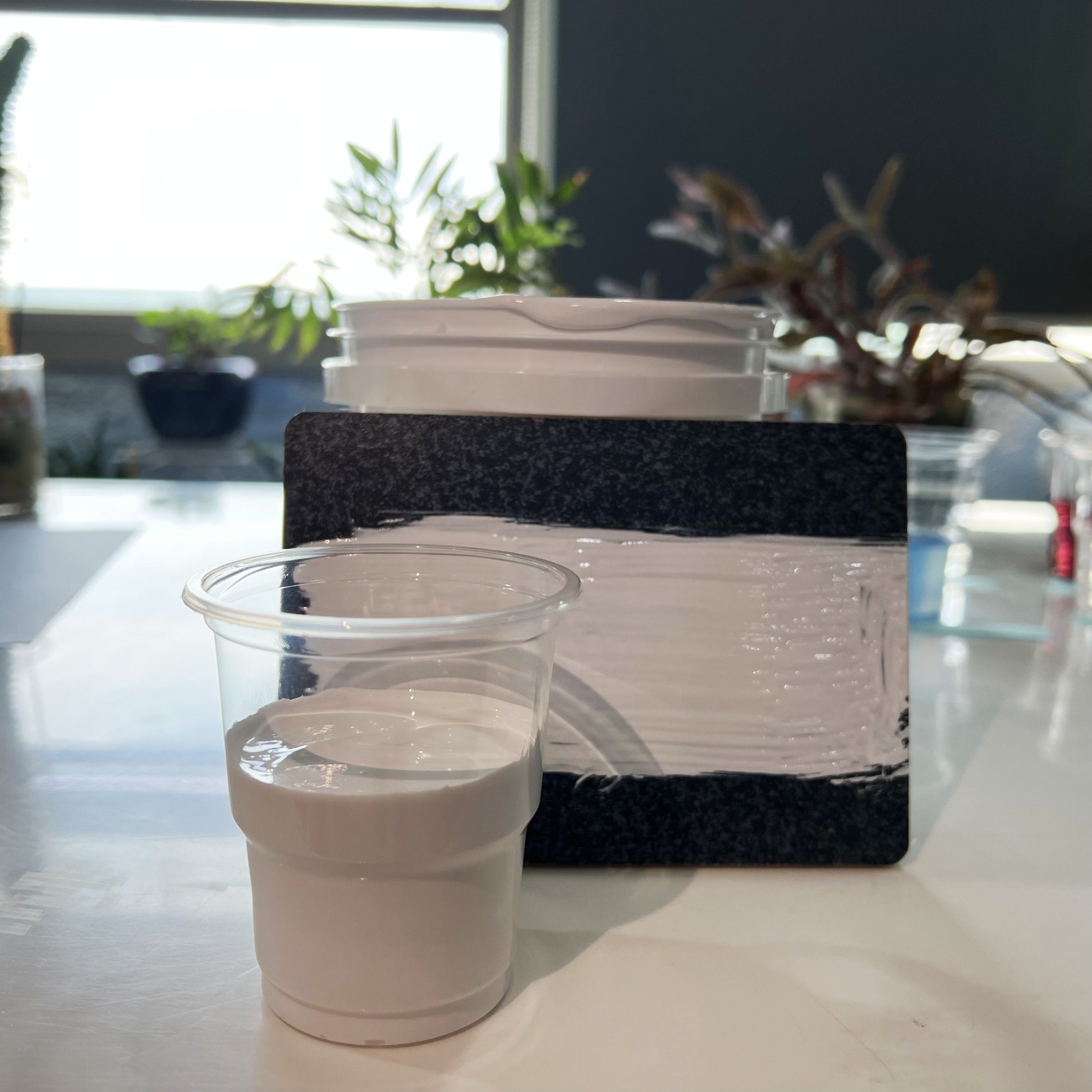
Vinyl ester resin, also known as vinyl ester resins, is a highly versatile and performance-driven synthetic resin that has gained significant recognition across various industrial sectors. This thermosetting resin is derived from the reaction between epoxy resins, such as bisphenol A or phenolic epoxy resins, and unsaturated monocarboxylic acids, predominantly methacrylic acid. The resulting product is then dissolved in unsaturated polymeric monomers like styrene, forming a material that combines the best properties of both epoxy and unsaturated polyester resins.
One of the most notable characteristics of vinyl ester resin is its exceptional chemical resistance. It can withstand exposure to a wide range of aggressive chemicals, including strong acids, alkalis, and solvents, making it an ideal choice for applications in harsh environments. This resistance is attributed to its unique molecular structure, which features ester groups with protective methyl side chains that enhance hydrolytic stability and reduce susceptibility to chemical degradation.
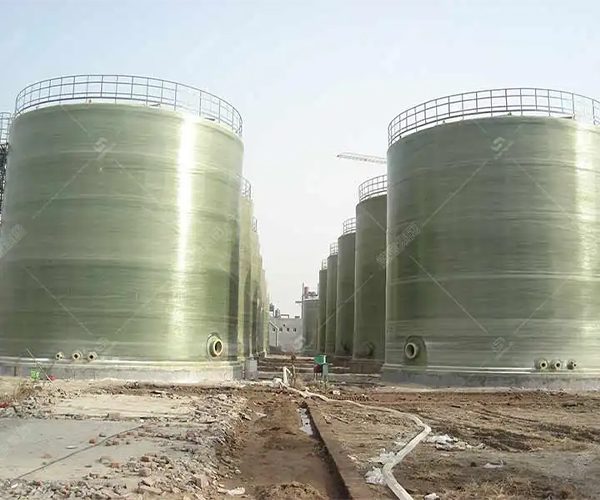
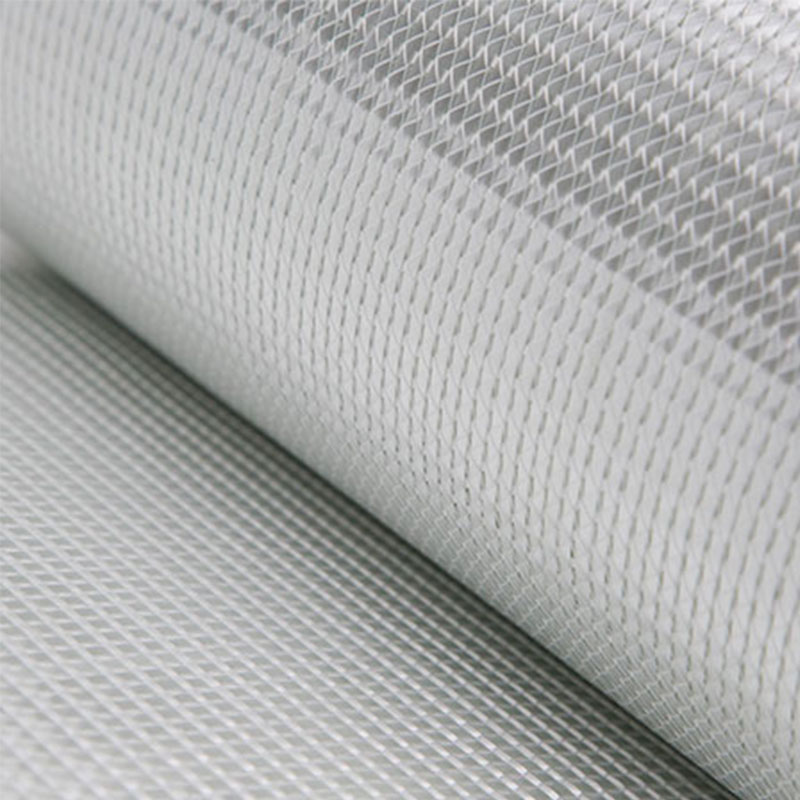
In terms of mechanical properties, vinyl ester resin exhibits high strength, toughness, and excellent adhesion to various substrates, particularly glass fibers. The presence of secondary hydroxyl groups in its structure improves the wetting and bonding with glass fibers, resulting in reinforced composites with superior mechanical integrity. This makes it suitable for manufacturing high-performance fiber-reinforced plastic (FRP) products, such as pipes, tanks, and structural components used in industries like chemical processing, water treatment, and marine engineering.
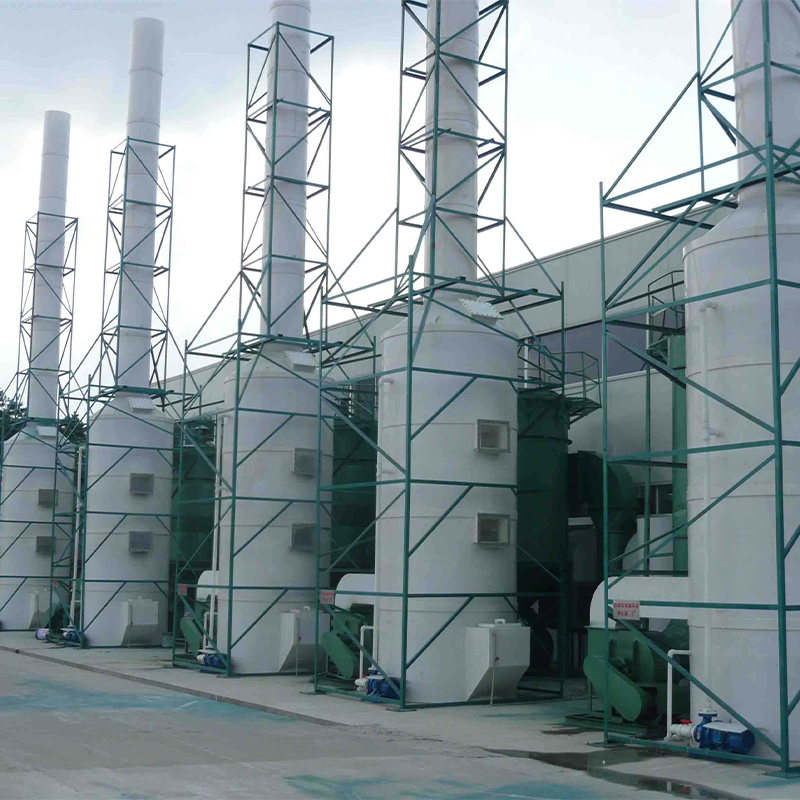
The thermal stability of vinyl ester resin is another key advantage. It can maintain its physical properties at elevated temperatures, which is crucial for applications requiring resistance to thermal cycling or exposure to high-temperature environments. For instance, in power plant flue gas desulfurization (FGD) systems, vinyl ester resin-based composites are employed due to their ability to endure the corrosive effects of flue gases and high temperatures without significant degradation.
The processing flexibility of vinyl ester resin further expands its applicability. It can be easily processed using conventional techniques such as hand lay-up, spray-up, filament winding, and resin transfer molding (RTM). Its compatibility with various reinforcing materials and fillers allows for the customization of composite properties to meet specific application requirements. Additionally, the relatively fast cure rate of vinyl ester resin enables efficient production cycles, reducing manufacturing time and costs.
Various types of vinyl ester resins have been developed to cater to specific performance needs. Standard bisphenol A epoxy vinyl ester resins offer a balance of corrosion resistance and mechanical properties. Phenolic epoxy vinyl ester resins, on the other hand, provide enhanced thermal stability and resistance to highly corrosive environments, such as those containing chlorinated solvents. Brominated vinyl ester resins are formulated to meet fire safety standards by incorporating flame-retardant properties without compromising chemical resistance.
Despite its numerous advantages, vinyl ester resin does have some limitations. Its thermal resistance and toughness may not match those of certain specialty resins in extreme conditions. Additionally, factors like humidity, improper surface preparation, or inadequate curing can lead to surface defects such as stickiness, blistering, or delamination in the final product.
Conclusion:
Vinyl ester resin stands out as a highly corrosion-resistant thermosetting resin with a unique combination of mechanical properties, thermal stability, and processing versatility. Its widespread use in industries such as chemical processing, construction, transportation, and electronics underscores its importance as a material of choice for demanding applications. As technology advances, ongoing research and development efforts continue to enhance the performance and expand the applications of vinyl ester resin, ensuring its relevance in the ever-evolving landscape of high-performance materials.