



 yomi@rulecomposite.com



What is BMC material
 Aug 13, 2026|
 View:360
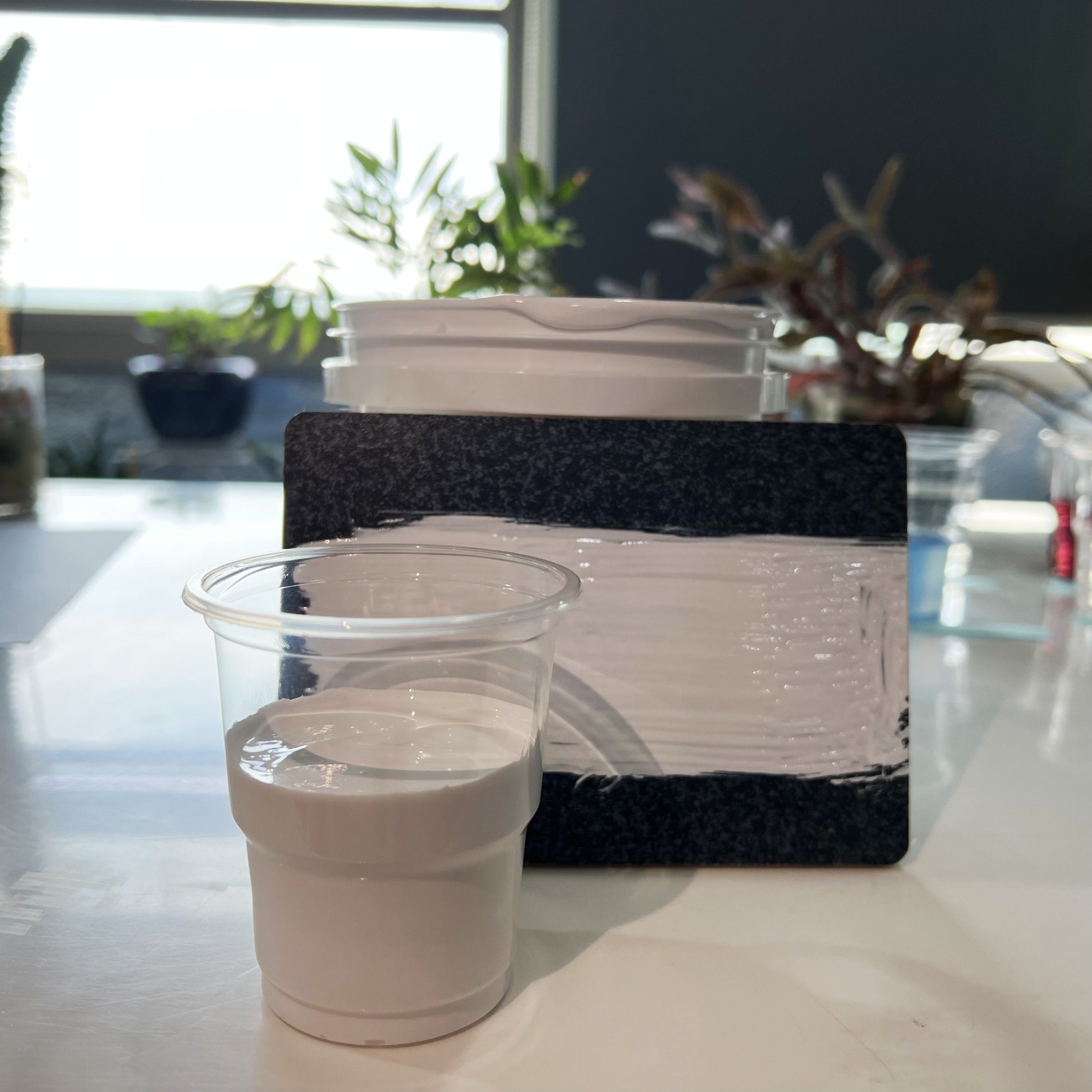
You can define Bulk Molding Compound (BMC) as a pre-mixed, fiber-reinforced thermoset polymer composite. This versatile resin matrix combines unsaturated polyester or epoxy resin, short glass fibers under 0.25 inches, and heavy mineral fillers. You gain exceptional dimensional stability, strong electrical insulation, and superior flame retardancy for your demanding industrial components. Manufacturers easily shape BMC material using precision injection molding and compression molding techniques.
The global market size of Bulk Molding Compound (BMC) in 2024 is 8.142 USD Billion.
Engineers and procurement managers like you rely on these clear insights to simplify material selection, boost efficiency, and improve precision component processing decisions.
Key Takeaways
BMC combines resin, short glass fibers, and fillers into a strong composite material.
Engineers choose BMC because it resists heat, fire, and strong electrical currents.
Manufacturers easily mold BMC into small, complex parts with precise details.
BMC uses shorter fibers than SMC, which allows better flow for detailed shapes.
What Is BMC Material and Its Composition

Understanding composite material selection helps you create highly durable parts for modern industrial applications. BMC material relies on a carefully balanced chemical formulation to deliver reliable mechanical performance under harsh operating conditions. This pre-mixed thermoset composite combines a fluid polymer resin matrix with solid reinforcing glass fibers and heavy mineral fillers. You can process this versatile dough-like compound efficiently to produce complex parts with tight geometric tolerances. Engineering teams choose this material when standard plastics fail under intense heat or electrical stress.
Core Components and Resin Matrix
You create this high-performance composite compound by thoroughly blending three primary raw ingredients into a uniform dough-like bulk material. The liquid polymer resin matrix serves as the chemical foundation of the blend. Manufacturers select unsaturated polyester resin or epoxy resin to act as the primary binding matrix. This thermosetting resin completely coats every glass strand and filler particle. It forms a continuous liquid phase that solidifies permanently during heat-activated cross-linking.
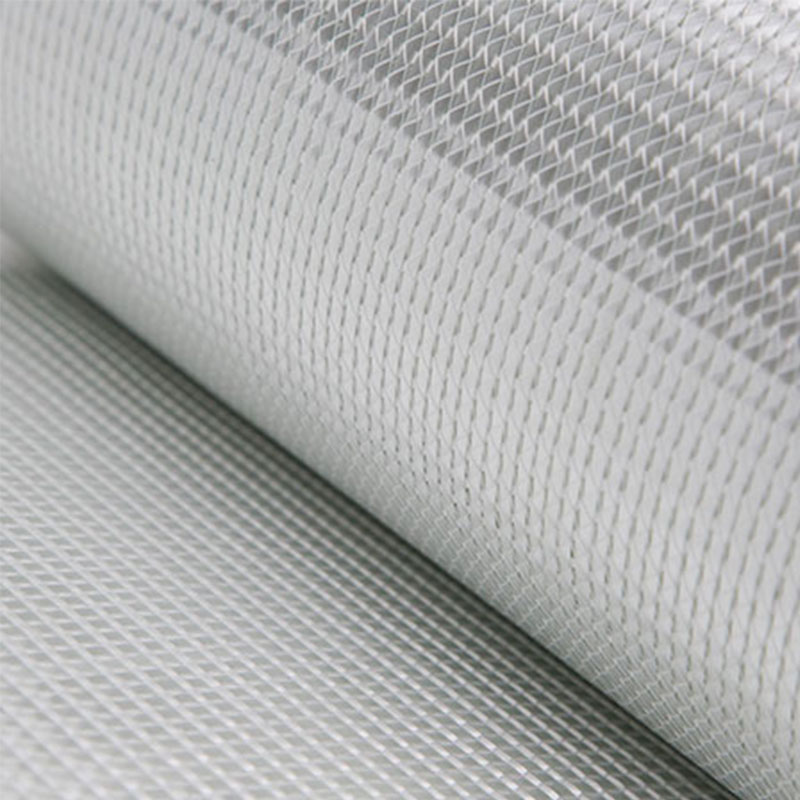
You add short glass fibers measuring less than 0.25 inches directly into the wet resin matrix. These randomly oriented short glass strands provide essential mechanical reinforcement throughout the entire composite matrix. The specific physical length of these short fibers allows the dough-like bulk material to flow easily into tight mold cavities during molding operations. This low-viscosity flow behavior helps you form thin walls and intricate internal geometric shapes without destroying fiber integrity.
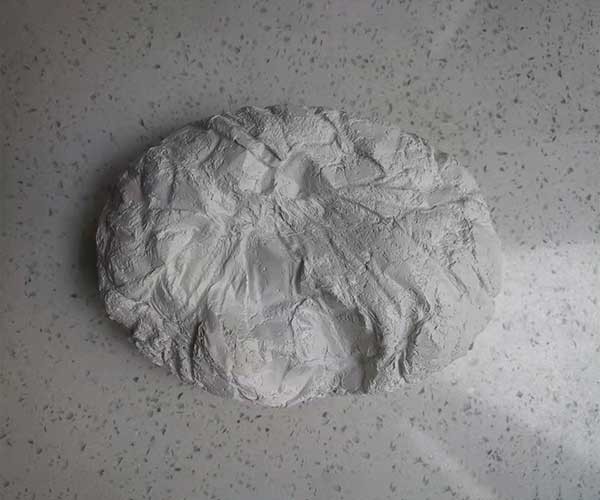
Mineral fillers represent a major percentage of the total material composition. Manufacturers mix finely ground inorganic mineral powders like calcium carbonate or aluminum trihydrate into the resin base. These solid mineral fillers increase surface hardness, boost fire safety, reduce chemical shrinkage during curing, and optimize overall component production costs. You can also integrate specialized functional additives into the resin compound, including internal mold release agents, polymerization catalysts, color pigments, and low-profile shrinkage control agents.
Thermal, Electrical, and Mechanical Properties
Selecting high-grade raw ingredients gives the cured thermoset composite exceptional operational capabilities. RULE SMC/BMC material delivers exceptional dielectric strength, heat resistance, and flame retardancy for demanding industrial components. The dense cross-linked chemical network prevents the cured resin matrix from melting, dripping, or re-softening when your equipment encounters extreme operating temperatures. You gain reliable performance across severe industrial operating environments.
Thermal resistance: You obtain superior thermal stability during long-term heat exposure. The cured resin matrix maintains structural strength and dimensional shape without suffering thermal degradation.
Electrical insulation: You receive excellent dielectric strength and arc resistance. The insulating matrix blocks high electric currents and protects sensitive control circuits against dangerous voltage breakdown.
Flame retardancy: Built-in mineral fillers give the composite compound natural fire resistance. The thermoset structure limits smoke emission and self-extinguishes quickly to satisfy strict industrial safety standards.
Mechanical stability: Tight polymer cross-linking yields minimal moisture absorption, high impact strength, low creep, and precise dimensional stability under heavy mechanical loads.
These well-balanced physical properties make BMC material the ideal choice for intricate electrical switchgears, heavy-duty motor components, durable household appliance housings, and specialized sanitary ware. You can count on this reliable material matrix to deliver consistent quality and long service life across demanding manufacturing environments. Sourcing high-grade thermoset compounds helps you achieve low defect rates in high-volume production runs.
Manufacturing Processes for BMC Material
Injection vs. Compression Molding
You transform raw composite dough into finished industrial parts using two main production techniques. Injection molding works best for high-volume manufacturing runs of small, intricate parts. An injection barrel feeds the material directly into hot mold cavities under precise pressure. You achieve short cycle times and high automation levels with this method. Automated systems keep your processing workflow smooth and efficient.
Compression molding suits larger parts or components that require higher mechanical strength. You place a pre-weighed material charge directly into an open, heated mold cavity. High-speed hydraulic presses close the mold halves and apply constant pressure to cure the thermoset compound completely. This gentle placement prevents short glass fiber damage and ensures uniform physical performance across the entire part structure.
Processing Benefits and Limitations
The low viscosity and dough-like consistency of BMC material allow you to mold complex geometries easily. The fluid polymer matrix flows evenly into thin walls and tight features under heat and pressure. You can manufacture intricate electrical switchgear components and motor housings with tight geometric tolerances and minimal material waste.
However, molding operations sometimes create specific processing defects. You can eliminate these common production issues by following proven mitigation strategies during your manufacturing setup.
Common Defect | Mitigation Strategy |
|---|---|
Flash formation | Use precision cavity machining and optimize material charge placement. |
Resin shrinkage | Select low-shrinkage resin systems and control resin flow behavior. |
Surface defects | Improve mold polishing quality and optimize vacuum processing. |
Longer cycle time | Implement optimized mold heating systems and preheat materials. |
You manage thermal expansion and dimensional instability by using low thermal expansion resin systems and carbon fiber reinforced tooling materials. You also prevent mold cracking and structural fatigue by ensuring sufficient mold thickness and managing thermal stress during curing cycles. Intelligent temperature control helps you maintain steady output quality and precise shape retention across every high-volume production run.
Industrial Applications and SMC Comparison
BMC Material vs. SMC Material
You select thermoset compounds based on your specific component structural requirements. Sheet Molding Compound (SMC) uses long continuous fiber reinforcement. In contrast, BMC material incorporates shorter glass strands mixed into the resin paste. This fundamental physical difference directly influences final part strength and material flow behavior during hot compression molding operations.
SMC uses longer fibers than Bulk Molding Compound (BMC), resulting in higher mechanical strength.
You can evaluate key material properties using direct physical performance metrics. SMC delivers superior tensile and flexural strength along its fiber direction. It also provides superior impact resistance and fatigue properties for load-bearing applications. BMC material provides reliable overall mechanical properties with high stiffness, but it cannot match the directional strength of SMC.
Property | BMC | SMC |
|---|---|---|
Typical Fiber Length | 6–12 mm | 12–25 mm |
Tensile Strength | 30 MPa | 70 to 180 MPa |
Stiffness and Strength | Generally lower | Superior |
Key Applications in Electrical and Automotive
You choose composite compounds based on geometric complexity and mechanical load demands. Excellent material flowability allows you to produce intricate electrical switchgears, motor components, and household appliance housings. The short fiber length lets the fluid compound fill tight mold details without causing fiber damage. You eliminate air pockets while maintaining uniform dielectric strength across every thin wall section.
You rely on these thermoset compounds across demanding industrial sectors:
Automotive electrical parts
Small, complex components needing detailed geometries
Intricate circuit breaker housings and switch panels
Durable household appliance enclosures
Specialized sanitary ware
Automotive engineers select this versatile compound for small engine components and complex electrical assemblies. You get precise dimensional stability and reliable heat resistance in compact under-hood spaces. High flowability lets you mold mounting bosses, delicate internal ribs, and snap-fit features into a single durable part. You streamline manufacturing workflows while maintaining high product quality standards across large production batches.
Engineering Selection and Optimization
Component Design Criteria
You must plan part geometries carefully to achieve optimal structural integrity and flawless surface quality. Proper engineering design prevents internal stresses and surface defects during the curing cycle. You preserve component dimensions by controlling material shrinkage and thermal behavior inside the mold cavity. Careful feature layout reduces mold wear and simplifies part ejection.
You can prevent unwanted sink marks on thick component sections by applying proven design principles:
Uniform wall thickness: Design parts with consistent wall thickness to minimize differential shrinkage.
Optimized rib and boss geometry: Avoid excessive local thickness that leads to slower cooling and sink marks.
Sufficient packing pressure and time: Apply adequate packing before gate freeze-off to compensate for volumetric shrinkage.
Improved cooling uniformity: Enhance cooling in thick regions to reduce temperature gradients.
Material selection: Choose materials with lower shrinkage characteristics when possible.
These smart design choices streamline fluid flow inside hot mold cavities. You eliminate weak weld lines and maintain consistent cross-linking across every structural feature. Proper part planning ensures your finished components withstand harsh field conditions reliably over time.
Cost Optimization Strategies
You achieve major economic benefits by optimizing your manufacturing setup for large production runs. Smart tool engineering reduces material waste and speeds up total production output. You maximize machine efficiency while maintaining strict quality standards across all mold cavities. Automated handling tools further streamline your factory workflow.
You can implement specific cost-saving strategies during high-volume manufacturing:
Increase cavity count to boost output and lower unit cost.
Design balanced runner and sprue to ensure even fill and consistent quality.
Optimize cold sprue design to minimize waste and scrap.
Lowering raw material scrap directly reduces your overall unit production costs. Balanced feed systems deliver identical resin volume to every part cavity simultaneously. You avoid short shots and minimize post-molding secondary operations. These proven production practices maximize profit margins and keep your manufacturing operations highly competitive.
Bulk Molding Compound delivers exceptional value as a versatile, high-performance thermoset composite. You rely on this dough-like blend for intricate, heat-resistant, and electrically insulating parts. Choosing between injection and compression molding depends directly on your part complexity and production volume. Furthermore, strong automotive adoption in electric vehicle components drives market expansion.
Time Period | Projected CAGR |
|---|---|
Next five years | 4-6% |
2026 to 2033 | 5.1% |
You can optimize your manufacturing efficiency by selecting the right production process. Engineering and sourcing teams should partner with experienced manufacturers like RULE to optimize composite product design. Experienced partners help you advance smart mobility and renewable energy projects.
FAQ
What does BMC stand for in manufacturing?
BMC stands for Bulk Molding Compound. You prepare this pre-mixed thermoset polymer composite using unsaturated polyester or epoxy resin, short glass fibers, and mineral fillers. You can mold it efficiently into high-precision, durable industrial components.
What is the main difference between BMC and SMC materials?
Glass fiber length sets these materials apart. BMC material uses short glass fibers under 0.25 inches for small, highly detailed parts. SMC material uses longer glass fibers measuring 12 to 25 mm to deliver superior structural strength for large panels.
Can you process BMC material using injection molding?
Yes, you can shape BMC material using injection molding or compression molding. Injection molding feeds the dough-like compound directly into hot mold cavities under precise pressure. This process works best for high-volume production runs of small, complex parts.
Why do engineers choose RULE SMC/BMC material for electrical parts?
You gain exceptional dielectric strength, heat resistance, and flame retardancy with RULE SMC/BMC material. The dense polymer network prevents melting under extreme operating temperatures. It insulates high electric currents and protects sensitive circuits against voltage breakdown.


Recommended Products
Recent News
1.What are the advantages of bmc material
2022-07-212.How to select a reliable BMC material manufacturer for your business needs
2026-07-133.What is the difference between BMC material and SMC composite material
2026-07-164.What are the common applications of BMC material in automotive industries
2026-07-22