


 yomi@rulecomposite.com



What is marble resin
 Aug 19, 2026|
 View:359
Key Takeaways
Marble resin combines crushed stone and synthetic resin to create durable, stain-resistant home surfaces.
Synthetic marble costs less than natural stone and requires simple cleaning with basic soap and water.
Homeowners use marble resin for lightweight bathroom fixtures, custom countertops, and decorative art projects.
Understanding Marble Resin and Its Types
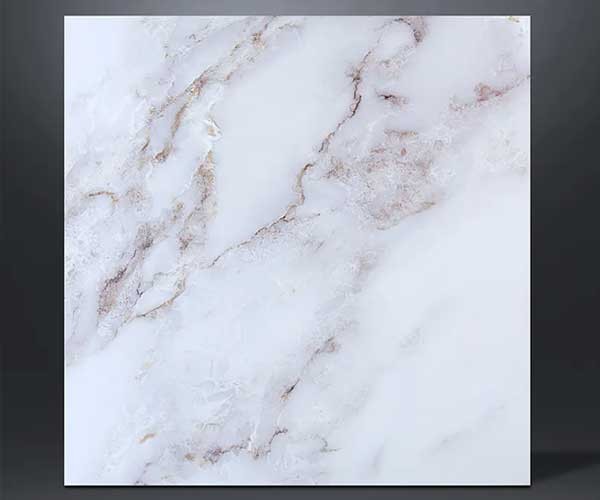
Composite Stone Material
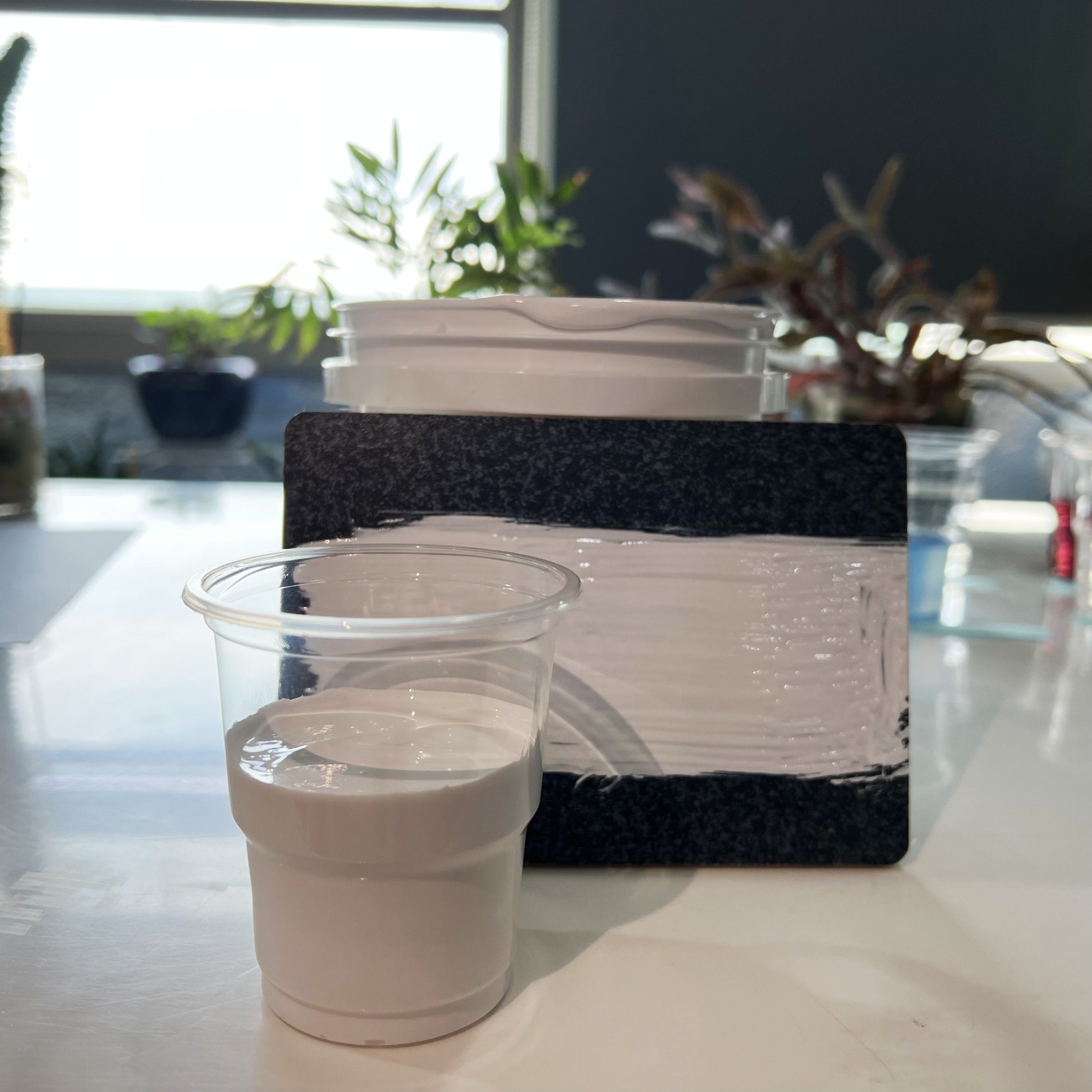
Manufacturers make composite marble resin by combining natural marble dust or crushed chips with synthetic resin binders. You get a material that delivers high tensile strength and hardness for your home surfaces. Epoxy resins create a highly cross-linked chemical structure. This structure creates a smooth, dense, and pore-free material. Chemical testing confirms this stability through preserved FTIR spectra, including O–H, C–H, and C–O–C bands.
Different synthetic binders offer specific benefits for your design projects. Manufacturers select resins based on your target environment and performance needs.
Property | Orthophthalic Resin | Isophthalic Resin |
|---|---|---|
Cost | Lower material cost | Higher initial cost |
Chemical resistance | Moderate, suitable for general use | High, for aggressive environments |
Water resistance | General | Enhanced, suitable for marine |
Durability | Good for standard applications | Better long-term durability |
Typical applications | Decorative products, low-stress FRP | Pipes, tanks, marine, chemical components |
Faux Stone Finish Technique
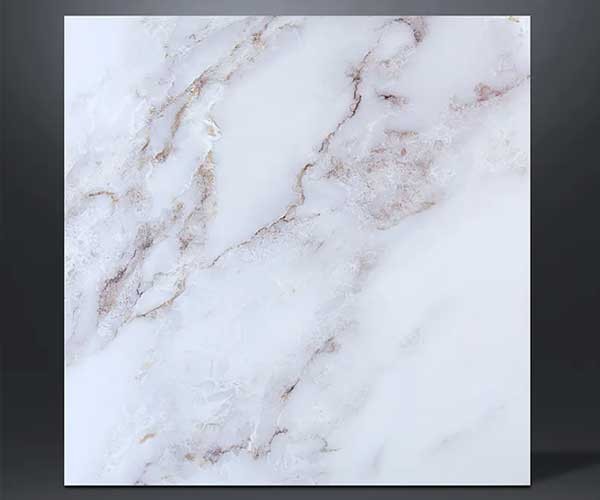
You can also create a marble resin finish using liquid epoxy techniques over existing surfaces. Artisans mix clear epoxy with metallic pigments, mica powders, and liquid dyes. You pour these mixtures to replicate natural stone looks like Carrara or Nero Marquina. You can swirl contrasting colors together to build custom veins and rich patterns.
This liquid technique cures into a non-porous layer that protects your underlying structure. You gain strong resistance against common household stains, water damage, and daily surface wear. The seamless finish prevents liquid absorption entirely. You can clean the surface using basic soap and water, keeping your counters bright and sanitary without expensive sealers.
Comparing Marble Resin to Natural Stone
Maintenance and Durability
You clean synthetic surfaces easily with standard household soap and warm water. Natural stone requires periodic sealing to prevent liquids from penetrating deep surface pores. Acidic liquids like lemon juice etch real stone surfaces instantly. Synthetic binder materials protect your counters from tough domestic stains and harsh chemical spills.
You must evaluate structural lifespans when selecting materials for your home renovation project. Skilled technicians can polish and restore natural stone surfaces indefinitely over time. Synthetic resin components degrade gradually across several decades. Consequently, you cannot refinish damaged composite surfaces as easily as authentic stone slabs.
Material | Lifespan |
|---|---|
Marble (natural) | Indefinite (can be restored) |
Quartz (resin-based) | 25–50 years |
Cost and Weight Factors
You save money on freight fees and structure prep work by choosing synthetic composite materials. Heavy natural stone slabs demand custom reinforced subframes. Lighter molded tops rest safely on standard vanity cabinets.
Cultured marble (49" vanity top): 35–50 lbs
Natural stone (granite): 80–120 lbs
Impact on shipping: lower weight reduces shipping costs, allows standard cabinetry, and simplifies installation
You cut overall labor expenses during bathroom and kitchen installation projects. A lightweight marble resin slab allows standard installation crews to maneuver vanity tops quickly without specialized crane equipment. You spend less total money on product delivery, heavy freight charges, and manual labor crews. Natural stone requires heavy equipment and larger teams to transport, which raises your overall project expenditure significantly.
Popular Uses for Marble Resin
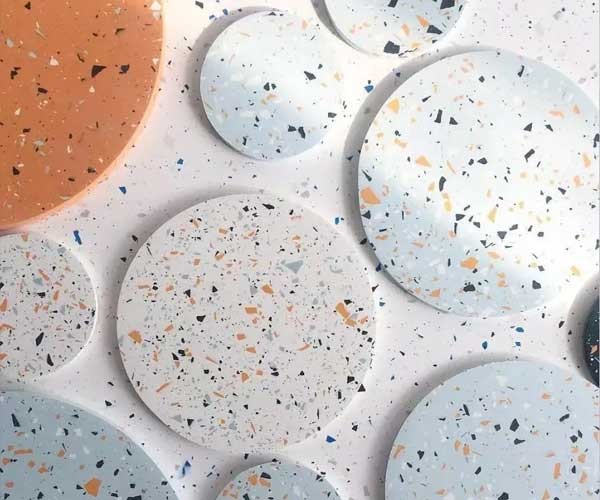
Bathroom Fixtures and Surfaces
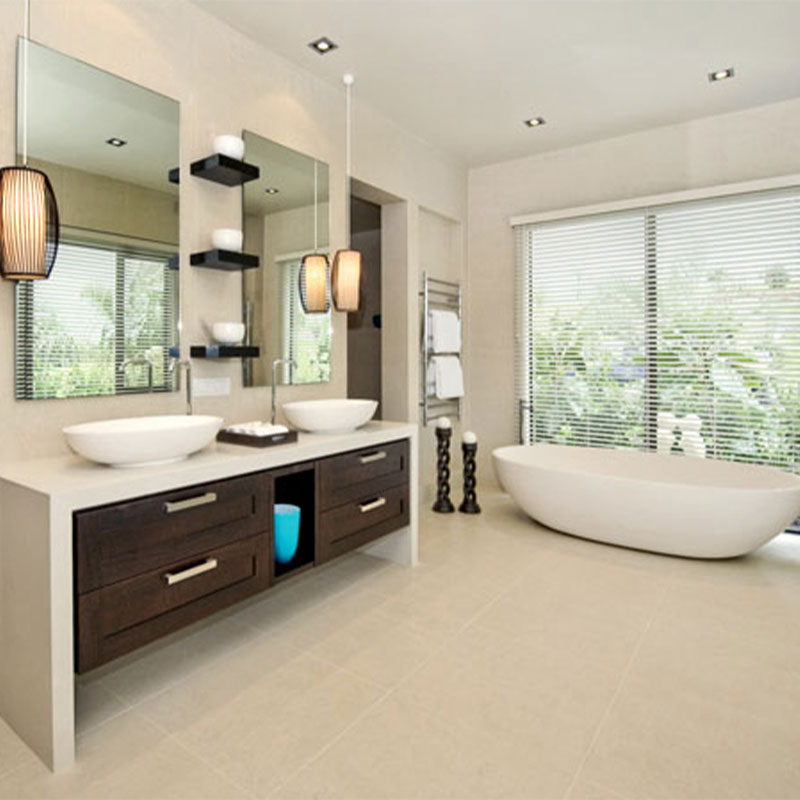
Manufacturers mold heavy-duty shower bases, freestanding tubs, and integrated vanity sinks from poured composite mixtures. Factory technicians pour liquid raw materials directly into custom molds during production. The fluid matrix fills tight mold corners smoothly before curing into shape. This casting process creates solid single-piece fixtures without weak joints or unsightly seams. You get durable bathroom units that withstand heavy everyday pressure and temperature changes.
You install these cast composite fixtures in high-moisture spaces to eliminate water leakage issues. Solid molded shower pans block liquid penetration completely. You clear away dried soap scum easily because non-porous surfaces stop deep grime accumulation. Homeowners keep modern vanity basins clean without purchasing expensive chemical sealers or abrasive scrubbers. The impact-resistant surface resists chipping from dropped personal care items.
Countertops, Decor, and Art
Artisans pour liquid synthetic finishes over wooden tabletops, kitchen countertops, and concrete floor panels. You build custom kitchen island tops featuring realistic stone veins by stirring metallic pigments into clear liquid polymers. The poured resin layer cures into a hard protective shell. This coating technique transforms basic wooden boards into glossy surfaces without expensive natural stone quarrying fees.
Homeowners craft decorative wall art, drink coasters, and serving trays using marble resin techniques. You blend colorful liquid dyes into clear synthetic mixtures to generate unique visual swirl patterns. The cured clear coating protects original handmade artwork against accidental scratches and light damage. You gain flexible design options across various interior home decoration projects for your daily living spaces.
Marble resin gives you a versatile alternative to natural stone. You save money on delivery fees, simple installation, and easy daily maintenance. The smooth surface resists tough household stains and water damage. You enjoy customizable design options and long-lasting durability across your modern living spaces. Choose this reliable material for your next home improvement project.
FAQ
How do you clean marble resin surfaces?
You clean marble resin easily with warm water and mild liquid soap. Avoid harsh chemical cleaners and abrasive scrubbers to protect the surface finish.
Is marble resin heat resistant?
Synthetic resin binders tolerate moderate heat, but extreme temperatures damage the material. You should always place trivets or hot pads under scalding cookware.
Can you repair scratched marble resin?
You can buff out light surface scratches using a fine polishing compound. Deep structural damage requires specialized epoxy fillers or professional restoration techniques.