


 yomi@rulecomposite.com




What is RTM resin
 Dec 01, 2025|
 View:1443
Introduction
In the realm of advanced composite material manufacturing, Resin Transfer Molding (RTM) resin stands as a cornerstone technology, revolutionizing the production of high-performance components across diverse industries. This closed-mold injection process, which involves injecting liquid resin into a pre-laid reinforcement material within a sealed mold, has emerged as a preferred method for fabricating lightweight, structurally robust parts with superior surface finishes. This article delves into the intricacies of RTM resin, exploring its composition, process mechanics, advantages, limitations, and applications.
Composition of RTM Resin
RTM resins are typically thermosetting polymers, engineered to exhibit low viscosity during injection and rapid curing upon exposure to heat or chemical catalysts. The most commonly used RTM resins include epoxy, unsaturated polyester, and vinyl ester resins, each offering distinct performance characteristics tailored to specific applications.
Epoxy Resins: Renowned for their exceptional mechanical properties, chemical resistance, and dimensional stability, epoxy resins are widely employed in aerospace and automotive sectors. They offer high fiber-to-resin adhesion, enabling the production of components with superior strength-to-weight ratios.
Unsaturated Polyester Resins: These resins are cost-effective and versatile, suitable for large-scale production of components such as boat hulls and automotive body panels. They exhibit good flowability during injection and can be cured at room temperature or with mild heating.
Vinyl Ester Resins: Combining the advantages of epoxy and polyester resins, vinyl esters offer excellent corrosion resistance, making them ideal for marine and chemical processing applications. They also demonstrate rapid cure rates, enhancing production efficiency.
To optimize the RTM process, resins are often formulated with additives such as flow modifiers, thixotropic agents, and curing accelerators. These additives enhance resin flowability, reduce void formation, and accelerate cure times, thereby improving overall part quality and production throughput.
Process Mechanics of RTM
The RTM process involves several key steps, each critical to achieving high-quality composite components:
Mold Preparation: The process begins with the preparation of a two-part mold, typically made of metal or composite materials. The mold surfaces are polished to ensure smooth part finishes and are equipped with injection and venting ports to facilitate resin flow and air evacuation.
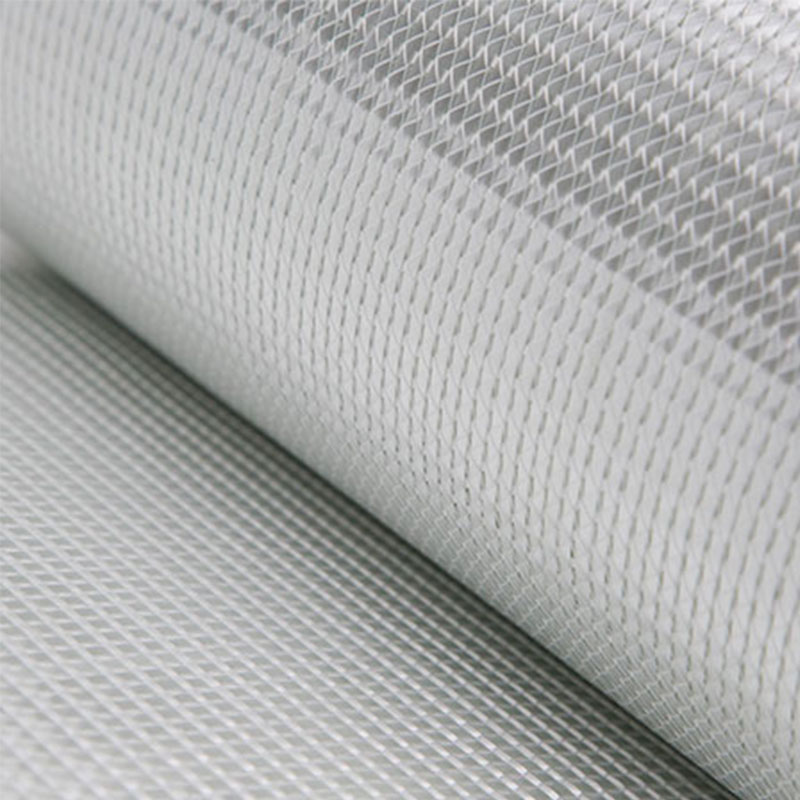
Reinforcement Placement: Dry reinforcement materials, such as glass or carbon fiber fabrics, are precisely cut and laid into the lower mold half according to the desired part geometry. The reinforcement may be pre-formed into complex shapes using techniques like vacuum forming or stamping to minimize resin flow distances and enhance fiber volume fraction.
Mold Closure and Sealing: The upper mold half is then closed and securely locked using mechanical or hydraulic clamps to prevent resin leakage during injection. A vacuum may be applied to the mold cavity to remove trapped air and enhance resin impregnation.
Resin Injection: Liquid resin, under pressure (typically ranging from 0.1 to 10 MPa), is injected into the mold cavity through the injection port. The resin flows through the reinforcement, displacing air through the venting ports, and completely saturating the fibers.
Curing: Once the mold cavity is filled, the resin is cured by heating the mold or through chemical activation, depending on the resin type. Curing times vary from a few minutes to several hours, depending on the resin system and part thickness.
Demolding and Post-Processing: After curing, the mold is opened, and the composite part is removed. Excess resin is trimmed, and the part undergoes finishing operations such as sanding, painting, or machining to achieve the desired surface quality and dimensional accuracy.

Advantages of RTM Resin
The RTM process offers numerous advantages over traditional open-mold and hand lay-up techniques, making it a preferred choice for high-volume production of advanced composite components:
High Part Quality: RTM produces parts with superior surface finishes, low void content, and high fiber volume fractions (typically 50-70%), resulting in enhanced mechanical properties and dimensional stability.
Design Flexibility: The process allows for the integration of complex geometries, including ribs, bosses, and holes, into a single part, reducing the need for secondary assembly operations and improving overall part performance.
Material Efficiency: RTM minimizes material waste by precisely controlling resin injection volumes and enabling the reuse of excess resin. This, coupled with the ability to use low-cost reinforcement materials, contributes to cost savings in high-volume production.
Environmental Friendliness: The closed-mold nature of RTM reduces volatile organic compound (VOC) emissions and minimizes exposure of workers to hazardous resin fumes, creating a safer and more sustainable manufacturing environment.
Automation Compatibility: RTM lends itself well to automation, with the potential for integrating robotic reinforcement placement, resin injection, and curing systems, thereby enhancing production efficiency and consistency.
Limitations of RTM Resin
Despite its numerous advantages, the RTM process also presents certain limitations that must be considered during component design and production planning:
High Initial Investment: The cost of RTM molds, particularly those made of metal, can be significant, making the process less economical for low-volume production runs.
Process Complexity: RTM requires precise control over resin viscosity, injection pressure, and cure times to ensure optimal part quality. This complexity necessitates skilled operators and rigorous process monitoring, increasing production costs.
Fiber Wetting Challenges: Achieving uniform resin impregnation throughout thick or complex reinforcement layouts can be challenging, potentially leading to void formation and reduced part performance.
Limited Material Selection: While a wide range of resins and reinforcements are compatible with RTM, certain high-performance materials may not be suitable due to their high viscosity or reactivity, limiting design options.
Applications of RTM Resin
The versatility and performance advantages of RTM resin have led to its widespread adoption across various industries, including:
Aerospace: RTM is used to manufacture lightweight, high-strength components such as aircraft wings, fuselage panels, and engine nacelles, contributing to fuel efficiency and overall aircraft performance.
Automotive: The automotive industry leverages RTM for producing structural components like chassis frames, body panels, and suspension parts, enabling vehicle weight reduction and improved fuel economy.
Marine: RTM is employed in the construction of boat hulls, decks, and masts, offering corrosion resistance and durability in harsh marine environments.
Wind Energy: Large-scale wind turbine blades are increasingly manufactured using RTM, taking advantage of the process's ability to produce long, complex shapes with high fiber volume fractions and low void content.
Sports and Recreation: RTM is used to fabricate high-performance sports equipment such as bicycle frames, tennis rackets, and ski poles, combining lightweight construction with exceptional strength and stiffness.
Conclusion
RTM resin, as a key enabler of advanced composite manufacturing, offers a compelling combination of part quality, design flexibility, material efficiency, and environmental sustainability. By understanding the composition, process mechanics, advantages, limitations, and applications of RTM resin, manufacturers can leverage this technology to produce high-performance components that meet the demanding requirements of modern industries. As material science and process engineering continue to evolve, the capabilities of RTM resin will undoubtedly expand, further solidifying its position as a cornerstone of composite material manufacturing.