



 yomi@rulecomposite.com

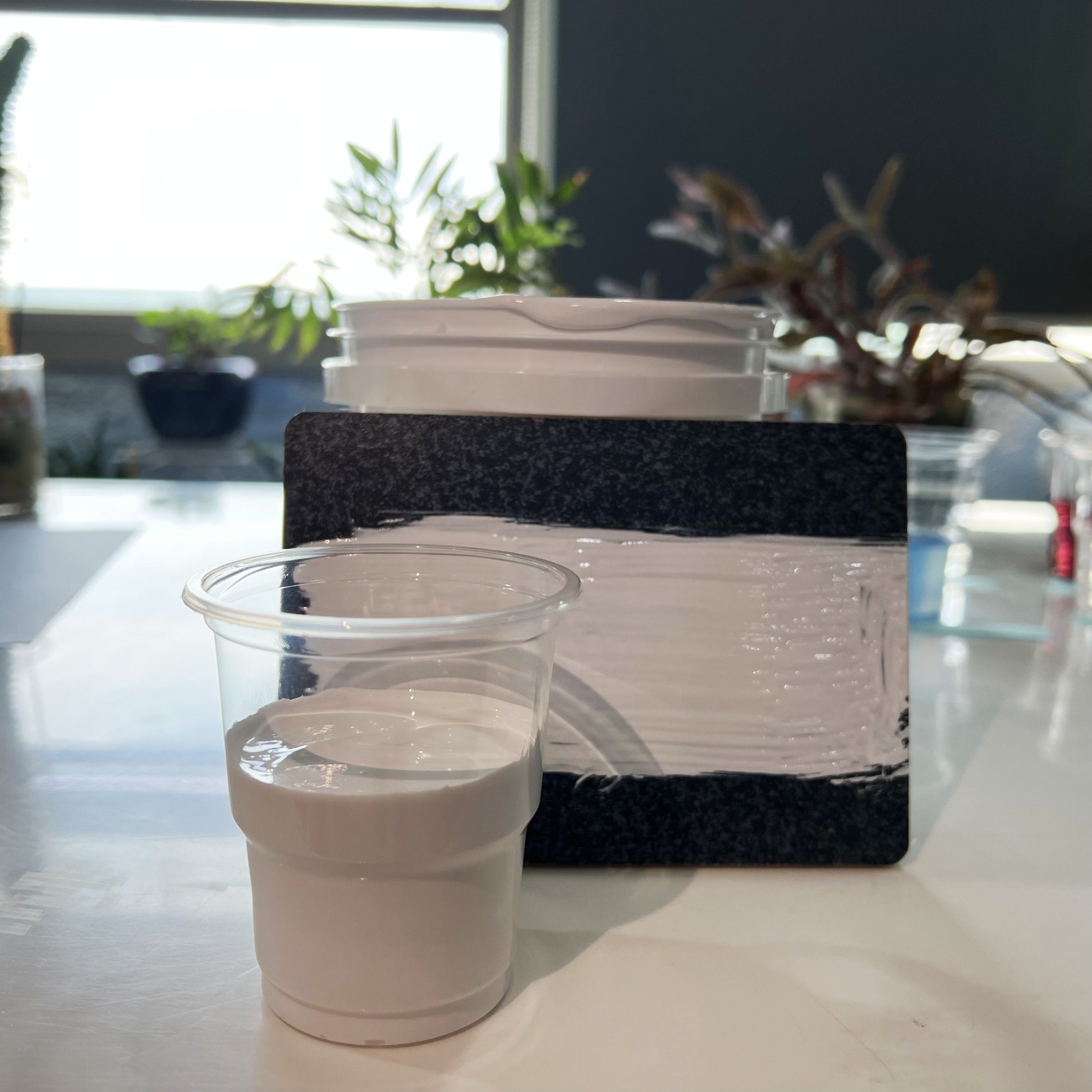



What is a flexible resin
 Dec 02, 2025|
 View:1434
In the realm of 3D printing, material innovation has been a driving force behind the technology’s evolution from prototyping to functional end-use production. Among the diverse array of resins available, flexible resin stands out as a specialized material designed to mimic the elastic properties of rubber, silicone, or thermoplastic polyurethane (TPU). This material enables the creation of parts that can bend, compress, and deform under stress without permanent damage, opening doors to applications in ergonomic design, medical modeling, consumer products, and industrial components. This article delves into the science, applications, and advancements of flexible resin, highlighting its unique role in modern additive manufacturing.
The Science Behind Flexible Resin: Composition and Mechanical Properties
Flexible resin belongs to a class of photopolymers known as elastomers, which are engineered to exhibit rubber-like elasticity when cured under UV light. Unlike rigid resins that harden into brittle structures, flexible resins balance softness with strength through a carefully formulated chemical composition. Key characteristics include:
Shore Hardness:
Flexible resins are categorized by their Shore durometer, a measure of indentation resistance. For example, Formlabs’ Flexible 80A Resin has an 80A Shore hardness, simulating the flexibility of hard silicones or TPU. This makes it stiff enough to maintain shape yet soft enough to bend repeatedly without tearing. In contrast, Silicone 40A Resin offers a lower Shore hardness (40A), ideal for parts requiring prolonged compression, such as seals or cushions.
Elongation and Tensile Strength:
While flexible resins are not as stretchable as natural rubber, they excel in compression and bending resistance. Formlabs’ Flexible Resin, for instance, can withstand repeated flexing cycles, making it suitable for snap-fit joints or hinges. However, its low elongation (ability to stretch) limits its use in applications requiring high stretchability, such as elastic bands.
Layer Adhesion and Post-Curing:
Flexible resins require precise printing parameters to ensure strong layer adhesion. Insufficient curing or improper orientation can lead to delamination or warping. Post-curing under UV light further enhances mechanical properties, improving durability and reducing tackiness.
Applications of Flexible Resin: From Prototyping to End-Use Parts
The versatility of flexible resin has made it indispensable across industries, particularly where elasticity and tactile feedback are critical.
Ergonomic and Functional Prototyping
Flexible resin is a go-to material for designing prototypes that mimic the feel of finished products. For example:
、
Consumer Electronics: Grips for remote controls, game controllers, or tool handles benefit from its soft-touch finish, improving user comfort and grip.
Wearables: Custom-fit prosthetics, orthotics, and wristbands leverage its ability to conform to body contours while resisting deformation.
Automotive: Overmolds for buttons or dashboard components use flexible resin to simulate rubberized surfaces without the need for traditional molding processes.

Medical and Dental Modeling
The biocompatible variants of flexible resin, such as Formlabs’ BioMed Elastic 50A Resin, are certified for medical use (ISO 10993, USP Class VI). Applications include:
Anatomical Models: Surgeons use flexible models of cartilage, tendons, or blood vessels to practice complex procedures, such as vascular embolizations. A study demonstrated that 3D-printed vascular models using flexible resin achieved 92% print success and technical accuracy comparable to rigid resins, despite challenges with overhangs.
Dental Devices: Flexible resins create night guards, orthodontic aligners, and surgical guides that require both flexibility and precision.
Industrial Components
Flexible resin’s resistance to compression and shock absorption makes it valuable for:
Seals and Gaskets: Its ability to form airtight or watertight joints under pressure reduces the need for additional rubber components.
Damping Systems: Shock-absorbing parts in robotics or machinery benefit from its energy-dissipating properties.
Custom Tooling: Jigs and fixtures that require compliance, such as assembly aids for delicate electronics, often use flexible resin.
Challenges and Innovations in Flexible Resin Printing
Despite its advantages, working with flexible resin demands technical expertise to overcome challenges:
Support Structures and Orientation:
Flexible parts are prone to sagging during printing, especially with overhangs or bridges. Denser support structures and optimal part orientation (e.g., printing flat surfaces vertically) minimize failures. Formlabs recommends using its Elastic Resin Support Article as a guide.
Material Handling:
Flexible resin is more viscous than rigid resins, requiring thorough mixing before printing. Residual uncured resin trapped in layers can lead to stickiness, necessitating post-curing in a UV chamber.
Durability Trade-offs:
While flexible resins resist bending, they may scratch or tear under sharp impacts. Hybrid resins, such as Tough Resin, combine flexibility with impact resistance for demanding applications.
Innovations in Material Formulation:
Manufacturers continue to refine flexible resins to address these challenges. For example:
Siraya Tech’s Tenacious Resin: Balances flexibility with high tensile strength, enabling durable prints for wearables and prosthetics.
Formlabs’ Version 2 Flexible Resin: Features an opaque black finish (compared to the translucent gray of Version 1) for better contrast in medical models and improved mechanical stability.
Conclusion: The Future of Flexible Resin in Additive Manufacturing
Flexible resin represents a paradigm shift in 3D printing, enabling the creation of parts that were once only possible with traditional rubber or silicone molding. Its unique combination of elasticity, durability, and biocompatibility has cemented its role in industries ranging from healthcare to consumer electronics. As material science advances, flexible resins are becoming more versatile, with formulations tailored to specific applications—whether it’s a high-strength prosthetic component or a soft-touch consumer product.
The key to unlocking the full potential of flexible resin lies in understanding its limitations and optimizing printing processes accordingly. By mastering techniques such as support design, post-curing, and material selection, designers and engineers can leverage flexible resin to push the boundaries of what’s possible in additive manufacturing. As the technology evolves, flexible resin will undoubtedly remain a cornerstone of innovation, driving the development of smarter, more adaptive, and user-centric products.