

 yomi@rulecomposite.com




Why BMC resin is widely used in automotive component manufacturing
 Nov 10, 2026|
 View:10
Automotive component manufacturing relies on BMC resin for several practical reasons. The material offers heat resistance, dimensional stability, strength and durability, and design freedom for complex shapes. It also delivers electrical insulation, flammability compliance, and a favorable total cost per part. These properties explain why headlamp reflectors, engine covers, electrical housings, and brackets commonly use BMC resin formulations.
Each advantage deserves a closer look. This post examines every reason with real component examples and fair comparisons to engineering thermoplastics, sheet molding compound, and metals. Engineers and procurement teams can then judge how well the material fits their own programs.
Key Takeaways
BMC resin keeps its shape and strength in hot places, making it perfect for parts like headlamp reflectors.
You can mold complex shapes with BMC, so one part can replace several pieces and save assembly time.
BMC meets safety rules for fire and electricity, which is important for electrical housings and switches.
BMC saves money because the materials are cheap and the molds last a long time.
Choose BMC for hot, precise, non-structural parts; pick other materials for simple high-volume parts or extreme strength.
Technical Performance
BMC Resin Heat and Dimensional Stability
BMC resin starts with a thermoset polyester matrix. Glass fiber and mineral filler reinforce that matrix. The cured network keeps its stiffness at under-hood and lighting temperatures. Thermoplastics soften as heat builds. A thermoset crosslinks permanently and holds its shape instead.
This behavior matters in headlamp reflectors. A reflector sits close to the bulb and must keep its optical geometry through repeated heat cycles. The mineral filler lowers the thermal expansion coefficient. The molding process also produces low shrinkage. Both effects protect tight tolerances in reflectors and electrical housings. A housing that stays flat keeps its sealing surfaces aligned and its terminals in position. Dimensional drift here causes leaks, misalignment, and field failures.
Strength, Weight, and Durability
Glass-fiber reinforcement raises flexural strength and impact resistance. The fiber carries load. The filler controls warpage during cure and in service. A well-balanced formulation produces parts that resist cracking at bosses and ribs.
BMC also cuts weight against metal. A molded cover or bracket weighs far less than a stamped steel or die-cast equivalent. The material resists moisture, fuels, oils, and common automotive fluids. Engine covers and under-hood brackets face these exposures daily. A thermoset surface does not swell or stress-crack the way some polymers can.
The comparison deserves balance. Engineering thermoplastics suit high-volume simple parts and offer easier recyclability. SMC suits large panels. Metals suit high-stress structural parts. BMC fits hot, dimensionally critical, non-structural parts. Each option has a clear home.
Material | Best fit |
|---|---|
BMC | Hot, dimensionally critical, non-structural parts |
Engineering thermoplastics | High-volume simple parts, snap-fit assemblies |
SMC | Large panels |
Metals | High-stress structural parts |
Engineers should match the material to the thermal load and tolerance stack of the part. A reflector or housing with tight tolerances and heat exposure points toward BMC. A large body panel points toward SMC. A load-bearing suspension part points toward metal.
Design and Application Fit
Complex Shapes and Consolidation
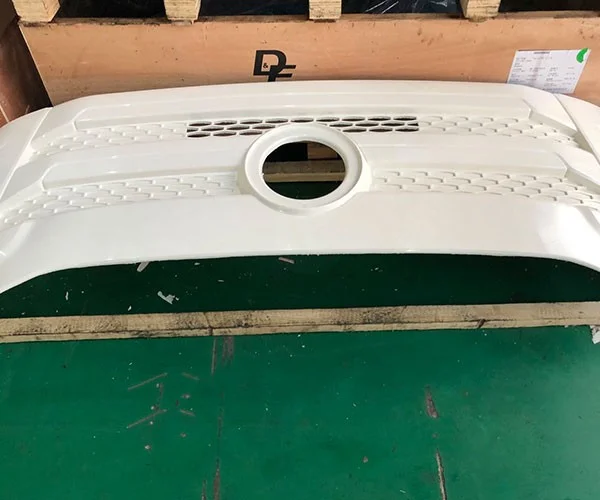
BMC flows well inside a closed mold. Short fibers let the compound fill tiny features that a sheet molding compound charge struggles to reach, according to Willele. Processors can compression mold, transfer mold, or injection mold the material, depending on grade and equipment. Viox notes that this flow behavior supports ribs, bosses, terminal barriers, embedded inserts, and thicker sections in one shot.
A single molded part often replaces several metal or thermoplastic pieces. Intricate ribs add stiffness. Molded-in brass or copper inserts carry threads and terminals without a separate assembly step. Varying wall thicknesses and tight tolerances come out of the tool net-shape, so secondary machining, drilling, and fastening operations drop away. Zehrco-Giancola lists ribs, bosses, inserts, and integrated features as standard design elements for polyester resin systems.
Wall design deserves early attention. SMC BMC Europe recommends 2.0-3.0 mm walls for exterior parts and 2.0-3.5 mm for structural parts, depending on part size and flow requirements. Cure time runs roughly 30-45 seconds per mm of thickness, so thinner walls raise productivity. An even wall thickness keeps flow and cure uniform and limits warpage. Ribs and bosses boost rigidity, though ribs can create sink marks on Class A body surfaces. Careful draft angles, radii, and rib thickness control that risk on non-Class A parts.
Color and surface options come directly from the tool. Molders can add texture, molded-in color, or a painted finish as the program requires.
Best-Fit Components
BMC resin earns its place in lighting, powertrain covers, electrical and switch housings, and small structural brackets. Each application leans on a different strength. Reflectors need dimensional stability under heat. Engine covers need fluid resistance and stiffness at low weight. Switch housings need dielectric strength and detailed geometry around embedded hardware.
Thermoplastics fit best where volume is high and geometry is simple. Injection molding of thermoplastics cycles in 15 to 60 seconds, according to Rule Composite, so a straightforward cover or small housing comes off the tool fast and cheap. Buyers also gain consistent color, easy recycling, and low unit cost at scale. Glass mat thermoplastic suits semi-structural parts where impact performance and recyclability matter. Metals still own high-stress structural parts, where extreme strength and stiffness govern the design.
The thermoset nature of BMC limits end-of-life recyclability, and Grand View Research notes that this constraint intensifies competition from recyclable thermoplastics and lightweight metals. That trade-off does not erase the material's design advantages. It simply means engineers should reserve BMC for parts where heat, tolerance, and feature integration outweigh end-of-life concerns.
Regulatory Compliance
Flammability and Electrical Safety
Automotive programs impose strict flammability rules on interior and under-hood parts. BMC formulators can tune the polyester matrix and filler package to pass UL 94 ratings and FMVSS-related flammability tests. Flame-retardant grades slow ignition and limit flame spread. Halogen-free versions serve electric vehicle and high-voltage components, where fire safety and low smoke matter most. These grades help manufacturers meet safety goals without adding separate flame barriers or coatings.
The thermoset network also provides reliable electrical insulation. Switch housings, terminal blocks, and connector bodies need dielectric strength that holds up over years of thermal cycling. BMC resin keeps its insulating properties in hot, humid under-hood conditions. Molded-in inserts carry current safely through the part. Designers can specify creepage distances and wall thicknesses that meet the relevant safety standard without adding separate insulating pieces. This integration reduces part count and assembly steps.
Emissions Performance
Interior and under-hood parts must meet OEM targets for volatile organic compounds and odor. Formulators adjust the resin chemistry, cure schedule, and filler system to lower free volatiles. A LinkedIn article on ammonia-free phenolic molding compounds describes how optimized binder chemistry reduces free-formaldehyde and ammonia release while preserving heat resistance and mechanical strength. The same principle guides low-emission BMC development. Cleaner resin systems help tier-one suppliers meet indoor air quality trends and evolving OEM specifications for low-emission value chains. Odor control matters for cabin-facing parts, where passengers notice any stale or chemical smell.
Long service life supports sustainability goals. A durable BMC part avoids frequent replacement and the associated material waste. Thermoset recycling remains more limited than thermoplastic recycling, and that gap is a real trade-off. Engineers should weigh end-of-life options against the heat, tolerance, and integration benefits that BMC delivers. For many lighting and electrical programs, the service-life gain outweighs the recycling constraint. Procurement teams can document this balance in their sustainability reporting.
Cost-Effectiveness
Material and Tooling Costs
BMC resin keeps the cost per part low for several reasons. The raw materials are inexpensive. Polyester resin, mineral fillers, and glass fiber cost far less than the alloys used in die casting or stamping. A formulation can carry a high filler load, which stretches the resin further and lowers the material bill.
Tooling costs also favor BMC. A compression or injection mold costs less to build than a metal stamping die or a die-casting tool. Mold life is long, so a single tool spreads its cost across many production runs. That math improves as volume grows. A program that runs for years sees the tooling investment shrink to a small share of each part's price.
BMC Resin Processing Efficiency
Short cycle times drive efficiency on the shop floor. The compound cures quickly in a heated mold, so presses turn out parts at a steady pace. Net-shape molding means the part comes out of the tool close to its final form. Small parts with tight tolerances and smooth surface finishes need little or no machining afterward. Molded-in inserts and features remove drilling, fastening, and assembly steps. Each eliminated operation cuts labor and scrap, which lowers the total cost of ownership.
The comparison stays fair. Thermoplastics win on very high volumes and on recyclability, where fast cycles and easy reprocessing give them an edge. Metals win on extreme strength, where no polymer can compete. BMC sits between them. It serves hot, dimensionally critical parts at moderate to high volume, where feature integration and low tooling cost matter more than raw cycle speed.
Rule Composite manufactures unsaturated polyester resin, including an SMC/BMC resin line formulated for mechanical strength, chemical resistance, and durability. That supply base gives molders a reliable starting point for cost-effective programs.
Technical performance gives BMC resin its heat resistance and dimensional stability. Design freedom lets one molded part replace several pieces. Regulatory compliance covers flammability, electrical safety, and low emissions. Cost-effectiveness comes from cheap raw materials, low tooling cost, and short cycle times.
These four strengths explain the wide adoption. The material delivers a rare balance of heat resistance, tight tolerances, design freedom, compliance, and cost in the component categories where it fits best.
Engineers and procurement teams should match the material to the part's thermal load, tolerance stack, and volume. Bring BMC into the design conversation early. Early input captures the best cost and the highest function integration.
FAQ
What makes BMC resin suitable for headlamp reflectors?
A thermoset polyester matrix holds its stiffness near the bulb, where thermoplastics soften. Mineral filler lowers thermal expansion, and the molding process produces low shrinkage. Both effects protect the optical geometry and tight tolerances that a reflector needs through repeated heat cycles.
How does BMC compare with engineering thermoplastics?
Thermoplastics cycle faster and recycle more easily, so they fit high-volume simple parts. BMC serves hot, dimensionally critical parts with integrated ribs, bosses, and inserts. Each material has a clear home, and the part's thermal load and tolerance stack should guide the choice.
Can BMC resin meet automotive flammability and electrical requirements?
Formulators tune the matrix and filler package to pass UL 94 ratings and FMVSS-related flammability tests. Halogen-free grades serve high-voltage components. The cured thermoset also provides stable dielectric strength for switch housings and connector bodies, even in hot, humid under-hood conditions.
Does BMC tooling cost less than metal tooling?
Yes. A compression or injection mold costs less to build than a stamping die or a die-casting tool. Long mold life spreads that investment across many production runs, so the tooling share of each part's price shrinks as volume grows.
Where does BMC fit least well?
BMC suits hot, dimensionally critical, non-structural parts. Large body panels favor SMC, high-stress structural parts favor metals, and very high-volume simple parts favor thermoplastics. Thermoset recycling is also more limited, so engineers should weigh end-of-life options against the performance gains.