

 yomi@rulecomposite.com




Which is better, vinyl ester or polyester resin
 Nov 05, 2026|
 View:8
Vinyl ester generally outperforms polyester in chemical resistance, mechanical strength, and durability. Polyester remains the more cost-effective choice for less demanding applications. Neither resin wins everywhere. The right pick depends on chemical exposure, moisture, temperature, and design life. A resin that suits a dry, lightly loaded panel may fail in a chemical tank. Vinyl ester resin handles aggressive service well, yet its higher price only pays off when conditions demand it.
Buyers should weigh real service conditions before committing. This comparison sets key properties side by side, then shows how to match each resin to actual applications. The goal is a confident, evidence-based decision.
Key Takeaways
Vinyl ester resin resists chemicals and water better than polyester resin.
Polyester resin costs less and works well for mild, dry conditions.
Choose vinyl ester for aggressive chemicals, moisture, or high heat.
Match the resin to the job's chemical exposure, temperature, and design life.
Consider total cost over time, not just the price per kilogram.
Head-to-Head Comparison

Key Properties Table
The table below sets the two resins side by side across the properties that decide most FRP designs.
Property | Polyester Resin | Vinyl Ester Resin |
|---|---|---|
Chemical resistance | Good in mild service; vulnerable to alkalis and hot water | High to excellent against acids, caustics, bleach, and many solvents |
Mechanical strength | Moderate; adequate for lightly loaded parts | High tensile strength |
Heat resistance (HDT) | 60–120°C, varies by grade | Higher; suited to service above 60°C |
Water absorption | Higher; hydrolysis-prone in long wet service | Lower; hydrolysis-resistant |
Shrinkage | Higher | Lower |
Cost | Lower per kilogram | Higher |
Reading the Results
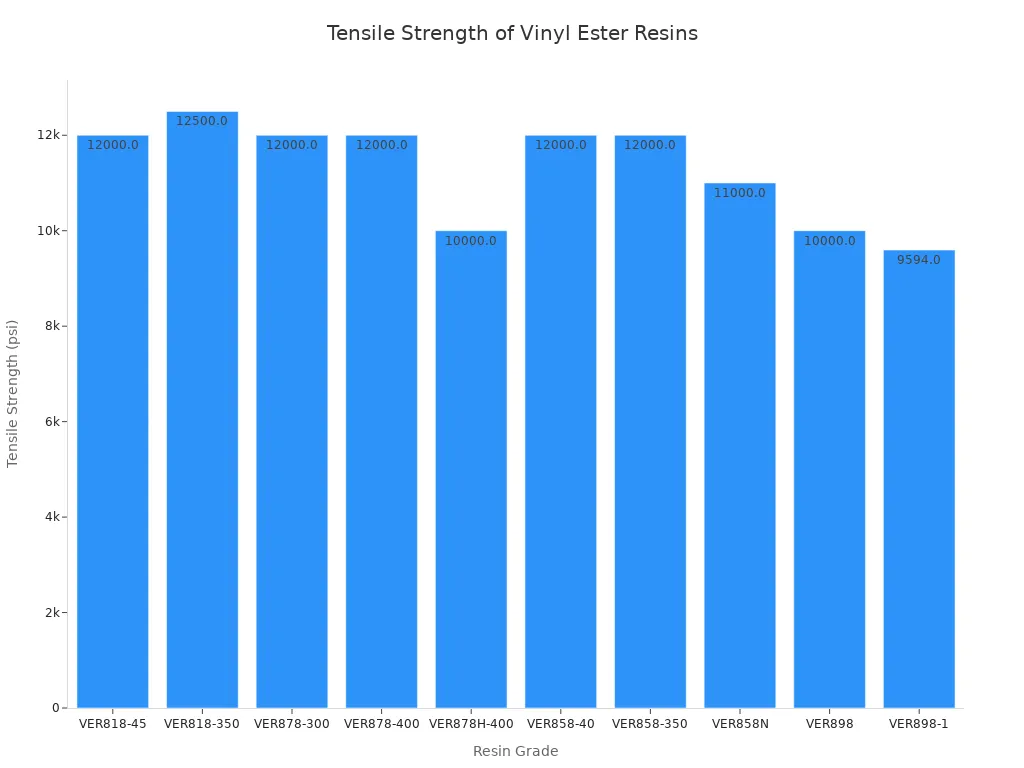
Each row carries a practical meaning. Chemical resistance decides how long a tank or pipe survives its contents. Incomepultrusion.com notes that polyester performs well in mild service but struggles against alkalis and hot water, while vinyl ester resin holds up against acids, caustics, bleach, and many solvents. Mechanical strength governs load capacity and damage tolerance. Vinyl ester reaches high tensile strength, with commercial grades ranging from about 9,594 to 12,500 psi, per Triune Chem data. Its longer molecular chain also absorbs impact better, so a struck panel dents rather than cracks. The same chain structure improves bonding to cured surfaces, which helps repair work and secondary laminates. A part can pass a strength test and still fail in service when water or heat attacks the matrix.
Heat resistance sets the ceiling on operating temperature. Pioneersfiberglass.com reports a heat distortion temperature of 60–120°C for polyester, varying by grade. Every resin softens once service temperature passes its HDT, so the HDT must exceed the maximum expected temperature with a safety margin. A laminate that runs close to its HDT loses stiffness and creeps under load. Vinyl ester suits service above 60°C; polyester fits below that line.
Water absorption predicts long-term durability in wet conditions. Polyester carries ester linkages along its whole chain, and each one is a site where water can break the polymer down. Vinyl ester carries those linkages only at the chain ends, where the epoxy-derived backbone shields them. Fewer attack sites means slower hydrolysis, fewer blisters, and less risk of delamination in buried tanks or marine hulls. That is why wet-service laminates often specify a resin with low absorption rather than the strongest one.
Shrinkage affects dimensional accuracy and surface finish. Vinyl ester shrinks less, so molds hold tolerance and thick laminates build less internal stress. Shrinkage also shows up as print-through on gel-coated surfaces and as warpage in flat panels. Cost closes the table. Polyester wins on price per kilogram, and vinyl ester typically costs more. That premium only pays back when service conditions demand the extra performance.
No single row settles the choice. Read the table as a system, not a scorecard. A resin with high strength but poor water resistance still fails in a wet tank. A chemical plant may accept higher cost for corrosion life. A decorative panel may need only moderate performance at low cost. The right resin satisfies every row that the service environment actually stresses. The next sections examine why vinyl ester resists corrosion and where each resin fits best.
Why Vinyl Ester Resin Resists Corrosion
Molecular Structure
Vinyl ester resin combines two chemistries in one polymer chain. The backbone comes from epoxy, and the chain ends carry vinyl double bonds. Those terminal double bonds crosslink during cure, much like the double bonds in polyester. The middle of the chain keeps the epoxy backbone, which carries fewer reactive sites. Nature reports that vinyl ester resins merge the high mechanical strength and chemical resistance of epoxy with the faster curing and easier processing of polyester. That hybrid design explains the corrosion performance.
The placement of ester groups matters most. Polyester repeats ester linkages along the entire chain. Vinyl ester places them only near the ends. A corrosive fluid must attack the chain to break it down, and fewer ester groups mean fewer weak points. The epoxy-derived backbone also shields those groups from attack. This structure delivers corrosion resistance without sacrificing processability.
Hydrolysis and Water Absorption
Water drives most corrosion failures in FRP laminates. Water molecules enter the resin, reach the ester linkages, and break them apart. This reaction is hydrolysis. Each broken bond releases acid, and the acid pulls in more water. Tencom describes this cycle in fiberglass rods: water reacts with soluble compounds, the solution draws more water inward by osmosis, and internal pressure builds until the surface bulges into a blister. Blister fluid is typically acidic, per Tencom, and poolrepairguide reports a pH of 3–5 inside blisters. Acid then degrades the surrounding resin and spreads the damage.
Low water absorption slows this cycle at the start. Tencom cites a 2026 diffusion study in which vinyl ester laminates absorb roughly 2.9% moisture at equilibrium, compared with about 5.8% for epoxy systems. Less water inside the laminate means less hydrolysis, fewer blisters, and lower risk of delamination. A dry laminate keeps its bond to the substrate and its structural strength. That is why wet-service tanks, pipes, and hulls often specify this resin family.
Where Vinyl Ester Resin Excels
Chemicals and Heat
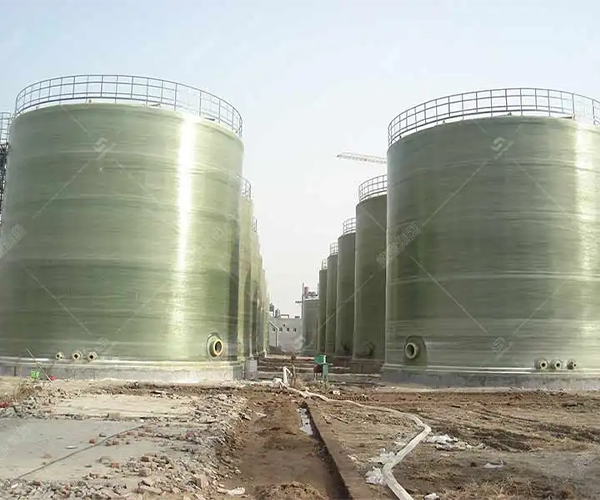
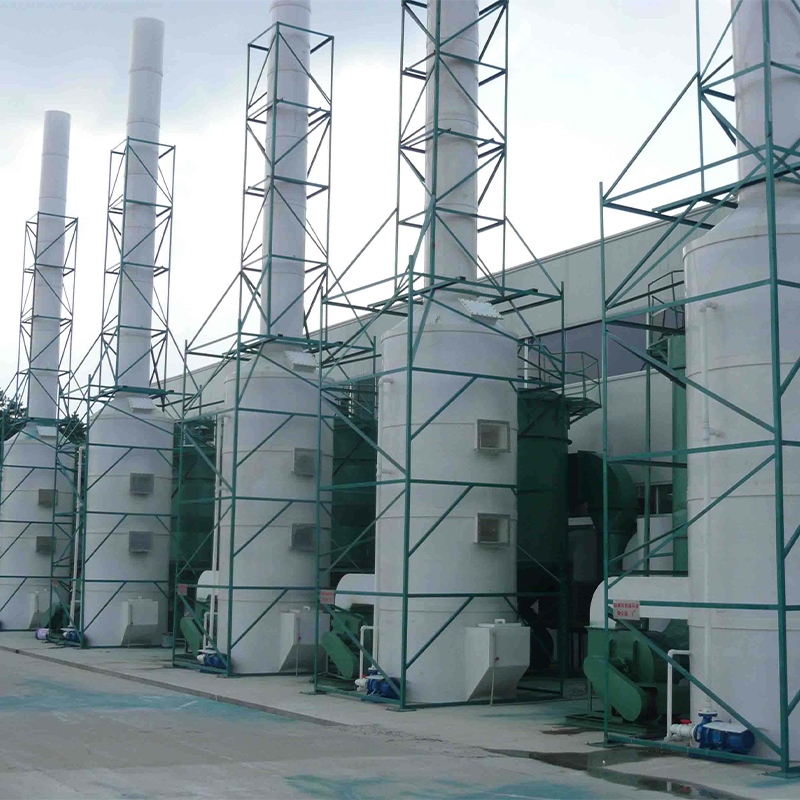
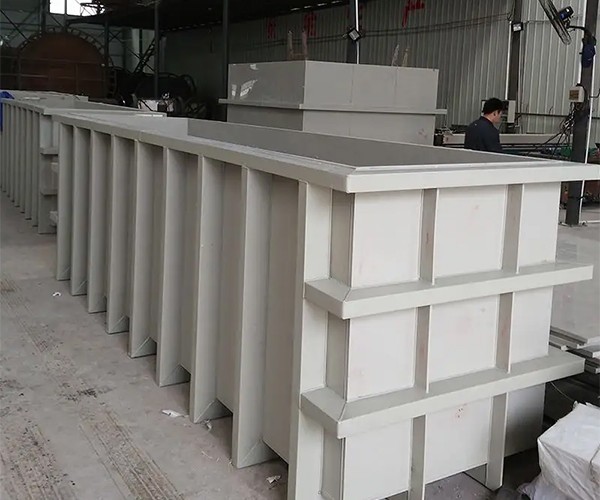
Chemical processing equipment demands a resin that survives constant exposure to aggressive media. Vinyl ester resin resists acids, alkalis, oxidizers, and solvents. FRP Grating Pro reports excellent resistance to sulfuric acid at 25% concentration, hydrochloric acid at 10%, and chlorine or bleach, with good performance against sodium hydroxide at 10%. These properties suit chemical storage tanks, pipes, and scrubbers. American Fiberglass Tank Supply notes that vinyl ester is the industry-standard choice for industrial chemical storage tanks, and it offers greater flexibility than polyester, which reduces stress cracking risk under thermal cycling. That flexibility matters for outdoor tanks and processes with significant temperature variation.
Process versatility broadens the application range. Vinyl ester grades serve hand lay-up, spray-up, resin transfer molding, pultrusion, filament winding, and centrifugal casting. Triune Chem lists tensile strengths for several commercial grades, and the chart below shows how those values compare across resin types.
Marine and Water Exposure
Water exposure separates vinyl ester from polyester in marine work. Boat Suppliers reports that cured polyester lets water through over time, and water moving through the laminate by osmosis causes blisters on older fiberglass hulls. Vinyl ester absorbs less water, which lowers blister and delamination risk. The same source notes that vinyl ester is stronger than polyester and less prone to cracking at keel joints, chainplate reinforcements, and heavily loaded deck fittings. Marine vessels such as ferries, fishing boats, and offshore platforms increasingly prefer vinyl ester resin for its longevity and corrosion resistance, according to a LinkedIn industry report. Wind turbine blades also benefit from the resin's impact tolerance and fatigue life.
Repair and secondary bonding favor vinyl ester as well. Boat Suppliers rates vinyl ester as good for bonding to cured, sanded polyester, while polyester itself rates only fair once the underlying layer has fully cured. That better adhesion supports hull repairs, offshore platform maintenance, and laminated structures that join new material to old.
Where Polyester Excels
General-Purpose Use
Polyester resin serves as the workhorse of everyday FRP production. It handles mild, dry, lightly loaded work well, and it delivers high structural performance at a low price point. Fiberrstore describes polyester as good for mild to moderate environments and names it the most economical option among common resin systems. Walkways, platforms, construction panels, and municipal applications all rely on it. These products rarely face aggressive chemicals, and they do not need the corrosion protection of a premium resin.
Two common grades cover most of this ground. Busubait explains that orthophthalic polyester suits light-duty covers, general panels, non-critical FRP components, and architectural or utility fiberglass products. Isophthalic polyester adds better chemical and moisture resistance than the standard grade. It fits water treatment work, mild wastewater environments, FRP gratings, tank covers, and moderate chemical splash areas. A fabricator can therefore pick a polyester grade that matches the exposure level without paying for performance the job never uses.
Resin Grade | Corrosion Resistance in Mild Environments | Typical Applications |
|---|---|---|
Orthophthalic polyester | Cost-effective; selected when chemical exposure is mild | Light-duty covers, general panels, non-critical FRP components, architectural or utility products |
Isophthalic polyester | Better chemical and moisture resistance than standard grade | Water treatment, mild wastewater, FRP gratings, tank covers, moderate chemical splash areas |
Cost-Sensitive Projects
Budget pressure shapes many FRP decisions, and polyester answers that pressure directly. Fiberrstore lists cost efficiency as the main reason buyers choose it. A project with moderate exposure conditions gains little from a premium resin, and the savings can fund more material, more parts, or a larger structure. Municipal and construction work often falls into this category, where the service environment stays mild and the design life is modest.
Polyester still deserves respect as an engineering material. It offers some corrosion resistance, and it performs reliably when the specification matches the conditions. The key is honest scoping. A buyer who confirms mild chemical risk, low heat, and limited moisture can specify polyester with confidence. A buyer who expects strong acids, continuous chemical contact, or elevated temperatures should look elsewhere. Matching the grade to the exposure keeps polyester a sound and economical choice.
How to Choose
Match Chemical Exposure
Chemical identity drives the first decision. American Fiberglass Tank Supply ranks the general hierarchy as epoxy above vinylester, vinylester above isophthalic polyester, and isophthalic above orthophthalic polyester. That ranking gives a starting point, not a final answer. Concentration and temperature shift the picture. Isophthalic polyester handles sulfuric acid at 25% up to 170°F, per American Fiberglass Tank Supply, yet the same source rates it not recommended for sodium hypochlorite at any concentration. A buyer who stores bleach needs a brominated vinyl ester grade with the right cure and a C-glass veil. Caustic soda service generally favors vinyl ester, and ferric chloride or hydrochloric acid typically requires it.
Cure system selection matters as much as resin family. A WEFTEC study cited by American Fiberglass Tank Supply tested six resin systems in sodium hypochlorite at 9–15% available chlorine. Brominated epoxy vinyl ester with a BPO/DMA/TBPB cure showed the least surface attack and kept the most gloss. A cobalt naphthenate/MEKP cure lost all surface gloss. At 65°C in 10% sodium hypochlorite, the brominated resin with a C-glass veil retained 71% flexural strength, while the same resin with a polyester veil retained only 29%. No specification should proceed without checking the stored substance against the resin's ASTM C581 chemical resistance data, a standardized test that requires at least one year of immersion exposure.
Weigh Cost vs. Design Life
Price per kilogram favors polyester, and vinyl ester resin typically costs more. That gap looks large on a purchase order. It looks smaller across a service life. American Fiberglass Tank Supply notes that over a 10–20 year tank life, the cost gap between polyester and vinylester at original specification is small compared with the cost of a single premature failure. A tank that fails early forces replacement, downtime, and cleanup. Those costs dwarf the resin premium.
The decision framework below summarizes the trade-offs.
Decision Factor | Polyester (Isophthalic) | Vinyl Ester |
|---|---|---|
Chemical resistance rank | Below vinyl ester | Above isophthalic polyester |
Bleach (sodium hypochlorite) | Not recommended | Brominated grades with proper cure and C-glass veil |
Sulfuric acid (25%) | Rated to 170°F | Extends the resistance ceiling |
Water and osmotic resistance | Water penetrates over time | Denser structure limits ingress |
Thermal cycling | Adequate; HDT around 220°F | Good; preferred for temperature swings |
Stress crack resistance | Moderate | Better |
Flexibility | Lower | Higher |
Cost | Lowest upfront | Moderately higher |
Four questions settle most cases. What chemical, at what concentration, at what temperature, and for how long must the part last? A potable water tank with mild exposure and a modest design life fits isophthalic polyester, provided the product carries NSF/ANSI 61 certification. A chemical storage tank facing bleach, caustic, or hot acid points to vinyl ester. A relining job or the most aggressive environment may call for epoxy. Buyers should match the resin to the application, not to the price tag alone.
Specifying Your Resin
Ordering and Handling Tips
A correct specification starts with the process. Hand lay-up and spray-up favor lower-viscosity grades that wet out glass quickly. Pultrusion and filament winding need faster-reacting systems tuned to line speed. Resin transfer molding demands consistent viscosity and predictable gel time. Buyers should name the process, the reinforcement, and the service environment on the order, then let the supplier confirm the grade. Rule Composite, for example, offers vinyl ester resin grades tailored to each of these methods.
Handling also affects final performance. Store resin within its recommended temperature range and rotate stock so older material moves first. Measure catalyst and accelerator precisely, and match the cure system to ambient conditions and laminate thickness. A resin-rich corrosion barrier of 2.5–3 mm, built from a C-glass or synthetic surfacing veil plus chopped strand, protects the structural laminate behind it. Keep service temperature safely below the resin's heat distortion temperature.
Common Mistakes to Avoid
Several specification errors recur across FRP projects, according to a LinkedIn industry analysis.
Treating resin as a commodity bought on price alone, rather than as an engineered system.
Specifying a general-purpose resin where the chemical environment demands a corrosion grade.
Ignoring the complete system: cure agents, gelcoat, fillers, and reinforcement sizing must all be compatible.
Skipping proper post-cure, which vinyl ester grades need to reach full heat distortion temperature and corrosion resistance.
Overlooking fire performance where codes require it. ASTM E84 Class I demands flame spread of 25 or less and smoke development of 50 or less.
Each mistake shifts risk from the supplier to the fabricator. A selection failure costs far more to fix than a workmanship defect, because it may require replacing the entire laminate. Buyers should document chemical concentration, temperature, and design life before ordering, and confirm cure and post-cure schedules in writing.
No single resin wins every job. Vinyl ester resin earns its premium in aggressive chemicals, constant moisture, and long service life. Polyester delivers solid value in general-purpose work and mild environments. Each option fits a defined role.
Buyers should document four facts before they order: chemical exposure, service temperature, moisture conditions, and design life. These details point to the right resin family and grade. They also protect the project from premature failure and unplanned replacement costs.
Match the resin to the application, not to the price tag alone. A careful specification today saves far more than a discount on the invoice.
FAQ
Does vinyl ester resin cost more than polyester?
Yes. Vinyl ester typically costs more per kilogram. That premium buys better chemical resistance, lower water absorption, and longer service life. Buyers should judge the extra cost against the design life and the risk of premature failure.
Can a fabricator use vinyl ester for hand lay-up?
Yes. Vinyl ester works across hand lay-up, spray-up, resin transfer molding, pultrusion, filament winding, and centrifugal casting. Lower-viscosity grades wet out glass quickly for open-mold work. Faster-reacting grades suit pultrusion and filament winding lines.
Does polyester resin handle bleach or caustic service?
No. Industry guidance rates isophthalic polyester as not recommended for sodium hypochlorite at any concentration. Caustic soda service generally favors vinyl ester. A brominated vinyl ester grade with the correct cure and a C-glass veil offers the strongest protection against bleach.
How thick should a corrosion barrier be?
A resin-rich corrosion barrier of 2.5–3 mm protects the structural laminate. Build it from a C-glass or synthetic surfacing veil plus chopped strand. Keep service temperature safely below the resin's heat distortion temperature.
What test data should a buyer request before ordering?
Buyers should request ASTM C581 chemical resistance data, which requires at least one year of immersion exposure. Potable water work also needs NSF/ANSI 61 certification. Fire-rated applications should meet ASTM E84 Class I limits.