



 yomi@rulecomposite.com



what is unsaturated polyester resin
 Mar 26, 2025|
 View:3718
Unsaturated polyester resin, often abbreviated as UPR, is a versatile material widely used in various industries due to its unique properties and processing characteristics. This article aims to provide a comprehensive understanding of unsaturated polyester resin, exploring its definition, manufacturing process, physical and chemical properties, applications, and its role in modern technology.
Definition of Unsaturated Polyester Resin
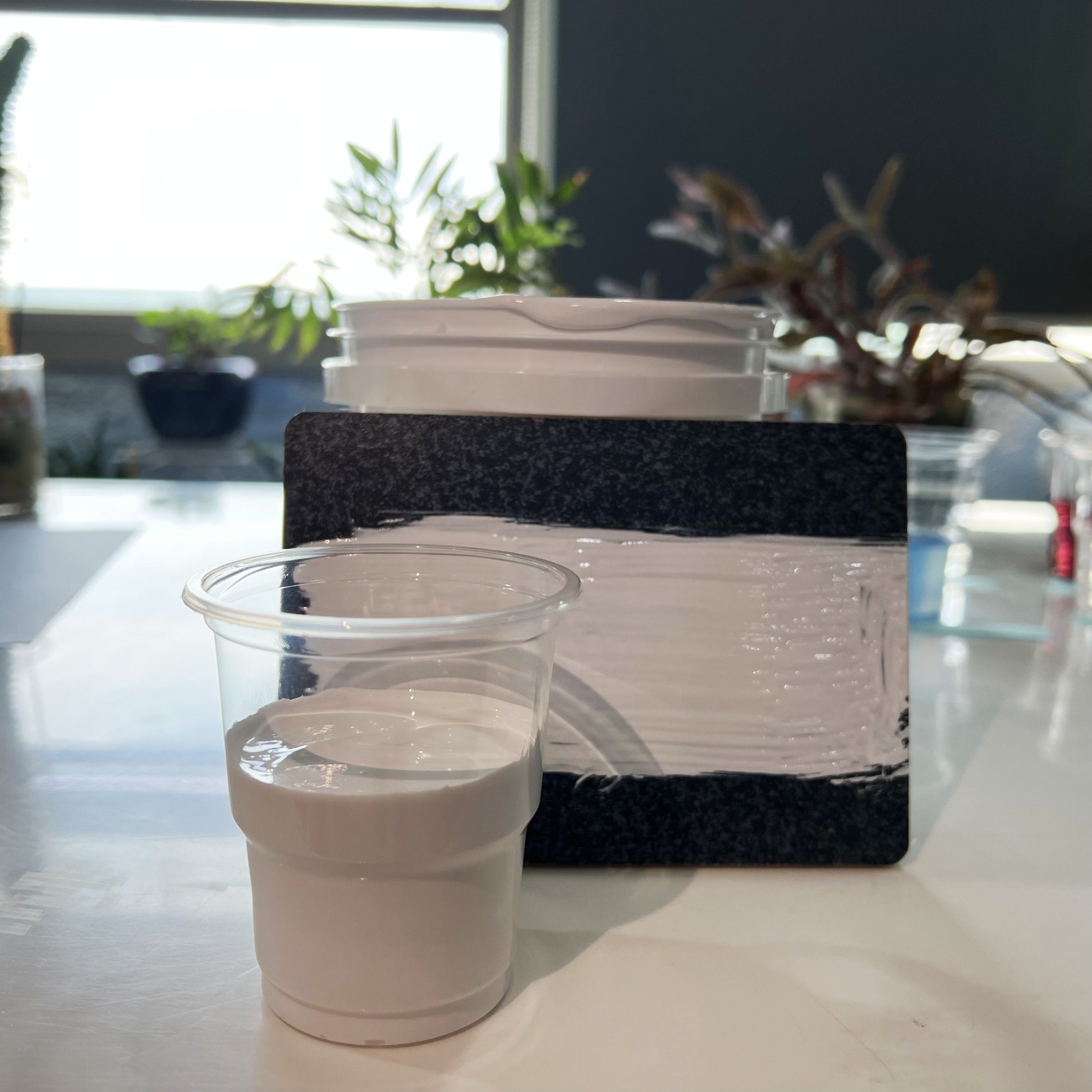
Unsaturated polyester resin is a type of thermosetting plastic primarily composed of unsaturated polyester, which is formed through the condensation polymerization of unsaturated dibasic acids or anhydrides with glycols. This reaction creates a linear polymer chain containing both ester bonds and unsaturated double bonds. Subsequently, these polymers are dissolved in vinyl monomers, typically styrene, to form a viscous liquid known as unsaturated polyester resin.
Manufacturing Process
The production of unsaturated polyester resin begins with the polyesterification condensation reaction, typically conducted at temperatures ranging from 190°C to 220°C until the desired acid value or viscosity is achieved. Once the polyesterification is complete, a vinyl monomer, such as styrene, is added while the mixture is still hot to create the viscous liquid resin. The unsaturated double bonds on the main chain of the polyester can undergo copolymerization cross-linking reactions with vinyl monomers, transforming the resin from a soluble, meltable state to an insoluble, infusible state.
Physical and Chemical Properties
Unsaturated polyester resin exhibits several notable physical and chemical properties. Its density typically ranges between 1.11 and 1.20 kg/m³. Upon curing, it experiences significant volume shrinkage. The thermal deformation temperature of most unsaturated polyester resins is between 50°C and 60°C, with some heat-resistant varieties reaching up to 120°C. The resin demonstrates good mechanical properties, including high tensile, flexural, and compressive strengths. It also possesses good chemical resistance to water, dilute acids, and dilute bases but is less resistant to organic solvents.
The chemical stability of unsaturated polyester resin is influenced by its ester bonds, which can undergo hydrolysis reactions accelerated by acids or bases. However, copolymerization with styrene can significantly reduce the occurrence of hydrolysis. In acidic media, hydrolysis is reversible and incomplete, conferring acid resistance to polyesters. Conversely, in alkaline media, hydrolysis becomes irreversible due to the formation of resonance-stabilized carboxylate anions, leading to poorer alkaline resistance.

Applications
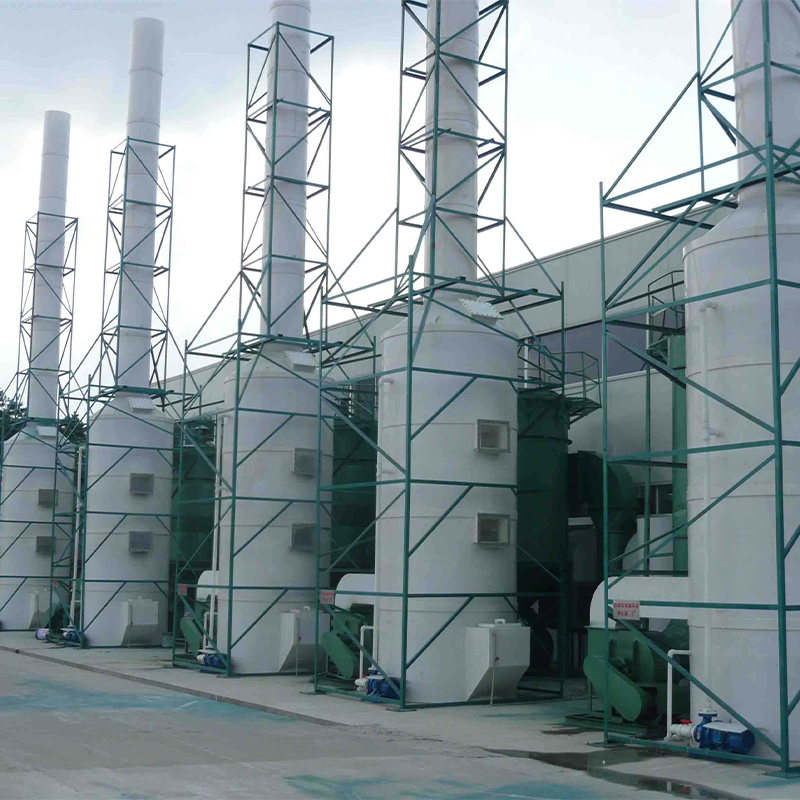
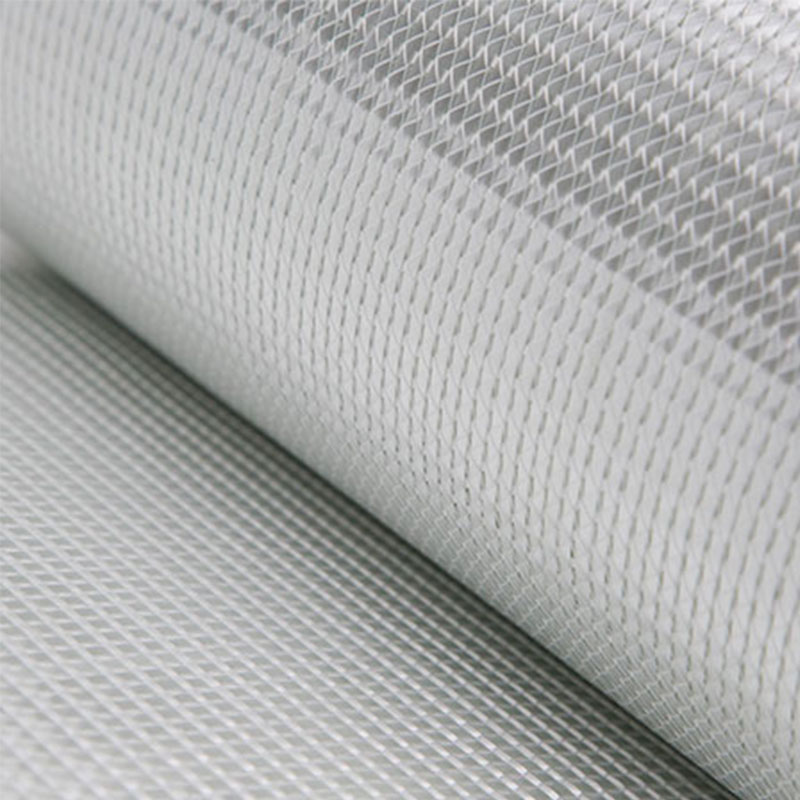
The versatility of unsaturated polyester resin stems from its ability to be reinforced with materials like glass fibers, creating fiber-reinforced plastics (FRPs) or commonly known as glass-reinforced plastics (GRPs). These composites exhibit enhanced mechanical properties compared to unreinforced resin castings, making them lightweight yet strong. FRPs are widely used in boat hulls, automotive parts, corrosion-resistant tanks, and various construction applications.
Unsaturated polyester resin is also employed in the manufacturing of gel coats, which provide a smooth, finished surface to molded parts. Its good optical transparency, chemical stability, high strength, and resistance to aging make it suitable for this purpose. Additionally, unsaturated polyester resin finds applications in electrical insulation materials, due to its good dielectric properties.
Environmental Considerations
Despite its widespread use, unsaturated polyester resin poses certain environmental challenges. The curing process may release volatile organic compounds (VOCs), including styrene, which can have adverse effects on air quality and human health. Efforts are ongoing to develop more environmentally friendly formulations and processing techniques to minimize these emissions.
Conclusion
In summary, unsaturated polyester resin is a versatile material resulting from the condensation polymerization of unsaturated dibasic acids or anhydrides with glycols, dissolved in vinyl monomers. Its unique combination of physical and chemical properties, including good mechanical strength, chemical resistance, and processability, makes it indispensable in various industries. From marine applications to construction and electrical insulation, unsaturated polyester resin continues to play a pivotal role in modern technology. However, it is crucial to address its environmental impact by exploring greener alternatives and processing methods to ensure sustainable use. As research and development advance, the applications of unsaturated polyester resin are bound to expand, further solidifying its place in the material science landscape.
FAQ about unsaturated polyester resin
1.What factors influence the shelf life of unsaturated polyester resin?
Storage temperature, exposure to air or moisture, and contamination from catalysts can shorten shelf life; storing in cool, dry conditions extends usability.
2.How can air bubbles be minimized during the curing of unsaturated polyester resin?
Use a vacuum degassing process or slow mixing techniques to reduce trapped air, ensuring a smoother finish and stronger mechanical properties in the final product.
3.Does unsaturated polyester resin shrink significantly during curing?
Yes, it typically shrinks by 5-10% as cross-linking occurs, which may affect dimensional accuracy; pre-forming molds with allowances can compensate for this.
4.Can unsaturated polyester resin be used for food-grade applications?
Standard grades are not food-safe due to styrene content, but specialized, FDA-compliant formulations with non-toxic additives are available for limited contact uses.
5.What is the difference between orthophthalic and isophthalic unsaturated polyester resins?
Orthophthalic resins are cost-effective but less water-resistant; isophthalic resins offer superior chemical and moisture resistance, making them ideal for harsh environments.
Recent News
1.What is the raw material for unsaturated polyester resin
2024-08-232.The difference between saturated and unsaturated polyester resins
2023-02-283.How is unsaturated polyester resin made
2022-08-314.What are the characteristics of unsaturated polyester resin
2022-08-265.What are the uses of unsaturated polyester resin
2022-07-25