


 yomi@rulecomposite.com



Are all vinyl ester resins food grade
 Jun 28, 2025|
 View:2476
Vinyl ester resins (VERs) are widely recognized for their exceptional corrosion resistance, mechanical strength, and versatility in industrial applications. However, the question of whether all vinyl ester resins are food grade requires a nuanced examination of their composition, manufacturing processes, and regulatory compliance.
1.Composition and Properties of Vinyl Ester Resins
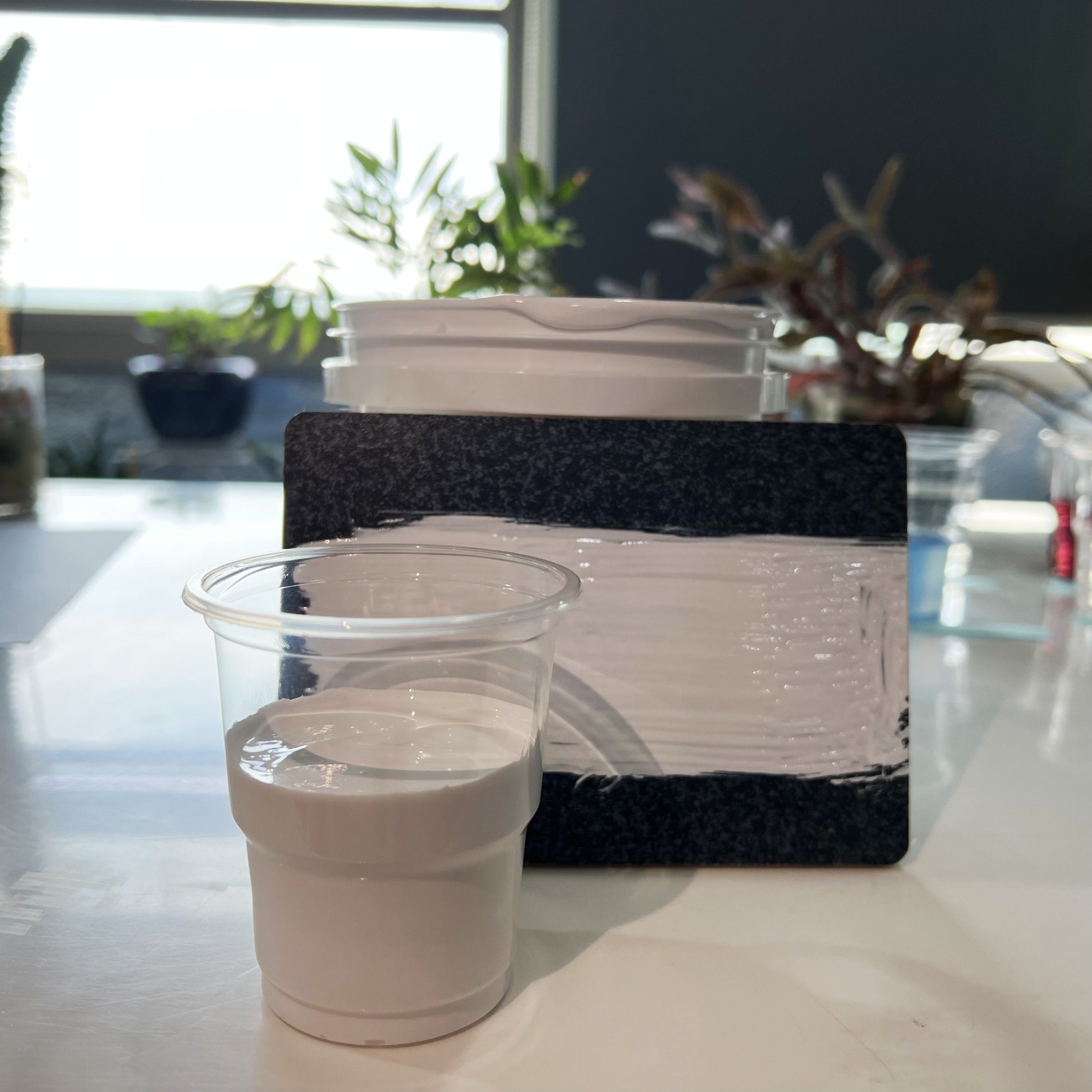
Vinyl ester resins are typically synthesized through the reaction of epoxy resins—such as bisphenol A or novolac epoxy—with unsaturated monocarboxylic acids, most commonly methacrylic acid. This results in a polymer with terminal reactive double bonds, enabling rapid curing and cross-linking. The molecular structure of VERs combines the advantages of epoxy resins (high mechanical strength) and unsaturated polyesters (ease of processing). Standard VERs often contain 40–50 wt% styrene as a reactive diluent, which reduces viscosity and enhances workability.
Key properties of VERs include:
High corrosion resistance, especially against acids, alkalis, and solvents.
Thermal stability, with some novolac-based VERs withstanding temperatures up to 135°C.
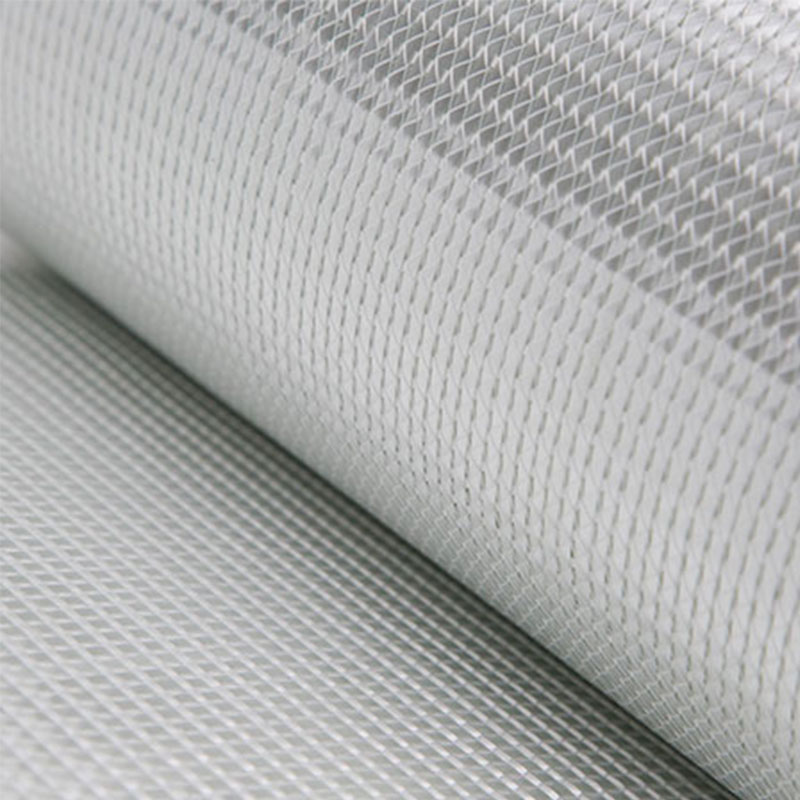
Excellent adhesion to glass fibers, making them ideal for fiber-reinforced plastics (FRPs).
However, these properties are optimized for industrial durability rather than food safety.
2.Food-Grade vs. Industrial-Grade Vinyl Ester Resins
The distinction between food-grade and industrial-grade VERs lies in their formulation, manufacturing controls, and regulatory certifications.
2.1Raw Materials and Additives
Food-grade VERs must use non-toxic raw materials and additives. For example:
Monomers: Methacrylic acid and styrene must meet purity standards (e.g., FDA 21 CFR §175.300).
Cross-linking agents: Peroxides used for curing must be food-approved (e.g., benzoyl peroxide in limited concentrations).
Inhibitors: Hydroquinone or other stabilizers must not exceed safety thresholds.
Industrial-grade VERs may incorporate cheaper or less-regulated additives, such as non-food-grade styrene or higher levels of inhibitors, which could leach harmful substances.
2.2Manufacturing Processes
Food-grade VERs require:
Cleanroom production to prevent contamination.
Solvent-free synthesis to avoid residual toxins.
Strict quality control for consistency and purity.
Industrial-grade VERs may involve processes that prioritize cost-efficiency over safety, such as using recycled solvents or less rigorous filtration.
2.3Regulatory Certifications
Food-grade VERs must comply with:
FDA 21 CFR §177.2420: Regulates resins used in food-contact surfaces.
NSF/ANSI 61: Certifies materials for drinking water systems.
EU Regulation (EC) No 1935/2004: Ensures no migration of harmful substances into food.
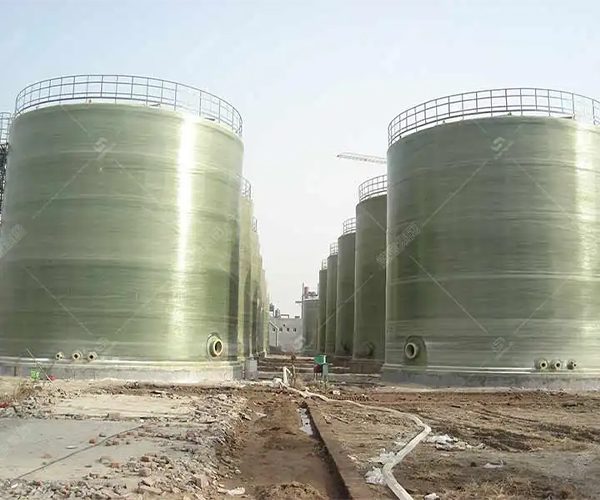
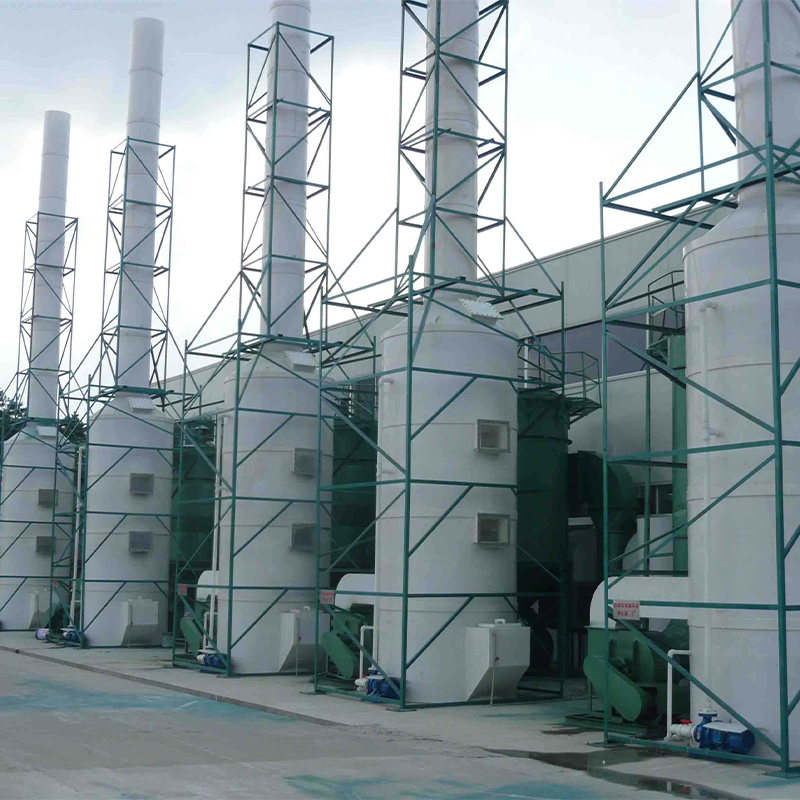
Industrial-grade VERs may lack these certifications, as they are designed for applications like chemical storage tanks, wastewater treatment, or offshore structures, where food safety is irrelevant.
3.Applications and Risks
Food-grade VERs are used in:
Food processing equipment (e.g., tanks, pipes, conveyors).
Beverage containers (e.g., brewing vats).
Pharmaceutical manufacturing (e.g., sterile vessels).
Industrial-grade VERs are employed in:
Corrosive environments (e.g., chemical plants, desulfurization units).
Marine structures (e.g., FRP hulls, offshore platforms).
Construction (e.g., anti-corrosion coatings, flooring).
Using industrial-grade VERs in food applications poses risks of:
Leaching of monomers (e.g., styrene, a suspected carcinogen).
Migration of additives (e.g., plasticizers, stabilizers).
Microbial contamination due to porous or improperly cured surfaces.
4.Market Availability and Misconceptions
While some manufacturers offer food-grade VERs (e.g., specialized formulations for dairy or pharmaceutical industries), these products are rare and expensive. Most commercial VERs are industrial-grade, and suppliers may mislabel them as "food-safe" without proper certification.
For example, a standard bisphenol A-based VER like Atlac? 580 ACT is marketed for marine applications but lacks FDA approval. Similarly, novolac-based VERs like Atlac? 590Z excel in high-temperature corrosion resistance but are not intended for food contact.
Conclusion
In conclusion, not all vinyl ester resins are food grade. The suitability of a VER for food applications depends on its formulation, manufacturing standards, and regulatory compliance. While industrial-grade VERs offer unparalleled durability and corrosion resistance, they often contain additives or residuals that render them unsafe for food contact. Manufacturers and end-users must prioritize certifications like FDA, NSF, or EU regulations when selecting VERs for food-related uses. Misapplying industrial-grade VERs in food systems risks contamination and legal liability. Thus, vinyl ester resins must be explicitly labeled and certified as food grade to ensure safety in sensitive applications.
By understanding the critical differences between food-grade and industrial-grade VERs, stakeholders can make informed decisions that balance performance with regulatory compliance and public health.