

 yomi@rulecomposite.com




What makes vinyl ester resin suitable for chemical resistant applications
 Nov 18, 2026|
 View:10
Vinyl ester resin suits chemical-resistant applications because its hybrid molecular structure combines epoxy and polyester features. Ester groups and terminal vinyl double bonds sit in the same molecule. This design gives the cured resin strong resistance to acids, alkalis, oxidizers, and solvents. Fewer ester groups limit hydrolysis, the reaction in which water breaks chemical bonds. Dense crosslinking, the tight network formed during curing, slows the passage of aggressive liquids through the material. Low water absorption adds further durability in tanks, underground storage, and marine service. The resin also delivers tensile strength of 70–90 MPa, so chemical resistance comes with mechanical support. Engineers can match a grade to the chemical exposure and processing method.
Key Takeaways
Vinyl ester resin resists chemicals because its hybrid structure has fewer ester groups, which slows water attack.
Dense crosslinking and low water absorption create a strong barrier that blocks aggressive liquids.
The resin handles acids, alkalis, oxidizers, and solvents, making it ideal for tanks and pipes.
Vinyl ester offers high tensile strength (70–90 MPa) and heat resistance up to 145°C for demanding applications.
Vinyl ester outperforms polyester in chemical resistance and costs less than epoxy, giving good value for corrosion protection.
Why vinyl ester resin resists chemicals

Hybrid structure and fewer ester groups
A vinyl ester molecule carries two different chemical features at once. Ester groups run along the chain, and reactive vinyl double bonds sit at the ends. Epoxy resin supplies the first feature, and polyester chemistry supplies the second. This hybrid design explains much of the material's chemical behavior.
Ester groups are the weak link in many polymers. Water can attack them in a reaction called hydrolysis. In plain terms, hydrolysis means water splits a chemical bond apart. Each split shortens the polymer chain and slowly degrades the material. Standard polyester resin contains many ester groups along its backbone, so it offers more sites for water to attack. A vinyl ester chain carries far fewer of these groups. The molecule places its reactive double bonds at the ends instead. Fewer ester groups mean fewer places for water to break the chain. The cured resin therefore holds its structure longer in wet and chemically aggressive service.
Crosslinking, low permeability, and low water absorption
Curing turns the liquid resin into a solid network. The terminal double bonds react and link neighboring chains together. This process is called crosslinking. Crosslinking density describes how tightly those chains pack and connect. A high density leaves little free space between the polymer chains. Aggressive liquids must travel through that space to reach the substrate or the inner structure of the laminate. A tight network slows that journey and lowers permeability, which is the rate at which a fluid passes through a solid.
Low water absorption follows from the same structure. The cured resin takes up little moisture even after long immersion. This matters in water tanks, where the liner faces constant contact with stored liquid. It matters in underground storage, where soil moisture and groundwater press against the structure for decades. It matters in marine environments, where salt water and humidity surround hulls and offshore parts every day. A resin that absorbs little water keeps its strength and its barrier properties over a long service life.
The combination works as a system. Fewer ester groups reduce the chemical attack itself. Dense crosslinking limits how fast aggressive media move through the material. Low water absorption keeps the barrier intact in wet service. Together, these three traits give vinyl ester resin its reputation as a dependable choice for chemical-resistant construction.
Chemical and mechanical performance
Resistance to acids, alkalis, oxidizers, and solvents
A cured vinyl ester film behaves as a densely cross-linked thermoset. The tight network blocks aggressive media and holds firmly to the substrate beneath it. Excellent adhesion matters here. A liner only protects a tank or pipe when it stays bonded to the surface through thermal cycling and mechanical load.
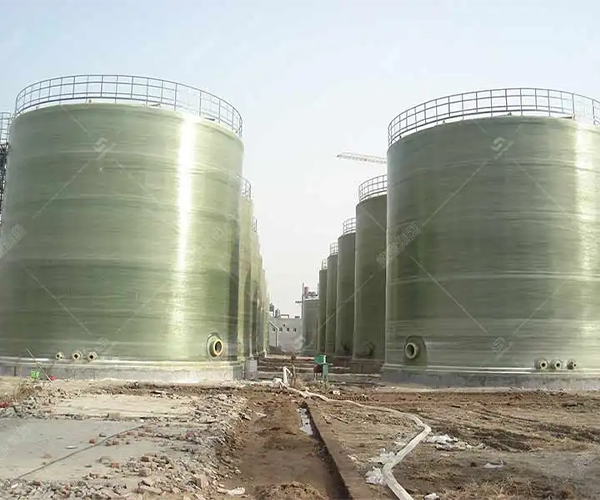
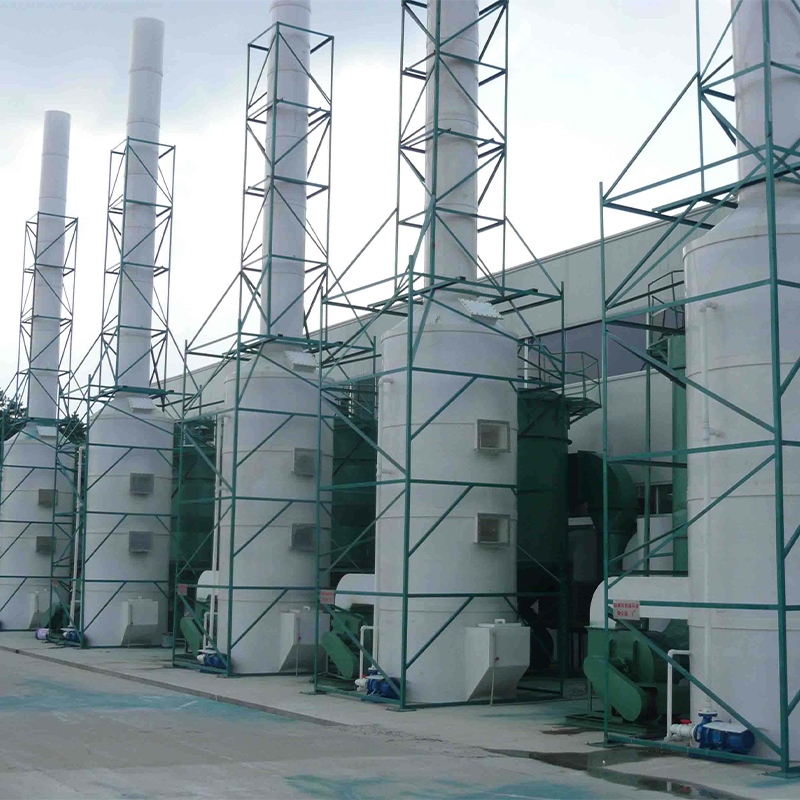
The resin handles a broad family of chemicals. It resists acids, alkalis, oxidizers, and solvents. Each family attacks materials in a different way. Acids and alkalis drive hydrolysis. Oxidizers break polymer chains. Solvents soften and swell the network. A dense cross-linked structure counters all four threats at once. Plant operators therefore specify vinyl ester resin for scrubbers, storage vessels, and pipe liners that face mixed chemical streams.
Strength, toughness, and thermal limits
Chemical resistance needs mechanical backing. A liner that cracks under load exposes the substrate to the same aggressive media. Vinyl ester resin delivers tensile strength of 70–90 MPa. It also brings toughness, impact tolerance, and fatigue resistance. These properties keep the barrier intact under vibration, pressure surges, and handling damage. The resin outperforms polyester in dynamic stress applications for this reason.
Heat sets a limit on any polymer. Standard grades serve well in moderate thermal service. The phenolic-modified grade raises that ceiling with a heat distortion temperature of 145°C. Heavy-duty anti-corrosion equipment in hot process streams can use this grade.
Processing completes the picture. The resin cures rapidly through free-radical polymerization, so production moves quickly. It supports hand lay-up, spray-up, winding, pultrusion, RTM, and infusion. Fabricators can therefore choose the method that fits the part, from small tanks to long pipe runs.
Vinyl ester resin vs. epoxy and polyester
Performance and application fit
Chemical resistance separates the three resins most clearly. Vinyl ester generally outperforms standard polyester in aggressive service. Its toughness and chemical resistance also exceed those of unsaturated polyesters. Epoxy brings its own strengths to the table. It bonds exceptionally well and cures with low shrinkage, so precision tooling and structural joints often favor it. Each resin earns its place when engineers match it to the duty.
Application fit follows the same logic. Polyester suits general-purpose parts, consumer goods, and moderate chemical exposure at a friendly price. Epoxy fits high-strength bonding, tooling, and aerospace structures where dimensional stability matters most. Vinyl ester resin sits between them and leans toward corrosion duty. Tanks, pipes, scrubbers, and marine hulls that face acids, alkalis, or solvents call for its barrier properties. No single resin wins everywhere. A well-run shop keeps all three on the shelf.
Cost and where each resin fits best
Cost tracks performance. Polyester costs least and covers the widest range of everyday work. Epoxy costs most and earns that premium in structural and precision applications. Vinyl ester sits in the middle. It costs more than polyester and less than epoxy, and it returns that premium through longer service life in chemical exposure. A liner that lasts longer cuts maintenance and downtime, so the higher unit price often pays back over the life of a plant.
Compliance shapes the choice as well. Industrial storage systems built to BS4994 demand proven materials and documented construction. Rule Composite manufactures its vinyl ester resins to meet this standard, which gives specifiers a clear path to compliance.
Grade selection then matches the resin to the process and the duty. The table below pairs common Rule Composite grades with their best-fit uses.
Grade | Best-fit use |
|---|---|
INV-V411, INV-V411M, INV-V411W | Corrosion-resistant construction with proven building technology |
INV-V411L-GXX | Low viscosity with adjustable gel time for vacuum infusion of boats and wind blades |
INV-V416 | High reactivity and heat resistance for rapid pultrusion |
INV-V440 | Low shrinkage for composite molds |
INV-V480, INV-V495 | MGO thickening for SMC/BMC parts such as battery shells and fan impellers |
INV-V650 | Halogen-free flame retardance for corrosion equipment with fire safety needs |
INV-V470 | Phenolic modification with HDT of 145°C for heavy-duty anti-corrosion work |
A procurement team that starts from the chemical exposure, the process, and the standard will land on the right grade quickly. The resin family covers the range, and the grade does the fine tuning.
Vinyl ester resin earns its place in chemical-resistant service for three reasons. Its hybrid molecular structure pairs ester groups with terminal vinyl double bonds. Fewer ester groups slow hydrolysis, and a dense cross-linked network resists acids, alkalis, oxidizers, and solvents. Tensile strength of 70–90 MPa and heat distortion up to 145°C in the phenolic-modified grade back that barrier with mechanical and thermal support.
This combination answers the opening question directly. Vinyl ester fits between polyester and epoxy. It beats polyester in aggressive chemical duty and costs less than epoxy. Engineers and procurement teams should start from the chemical exposure, the process, and the standard, then select the grade that matches.
FAQ
What chemicals does a cured vinyl ester resin resist?
A cured vinyl ester resin resists acids, alkalis, oxidizers, and solvents. Its densely cross-linked thermoset network blocks these media and holds tight to the substrate. Plant operators therefore choose it for scrubbers, storage vessels, and pipe liners that face mixed chemical streams.
How does it compare with polyester in chemical service?
Vinyl ester generally outperforms standard polyester in aggressive chemical duty. It also brings greater toughness and fatigue resistance, so it holds up better under dynamic stress. Polyester still suits general-purpose parts and moderate exposure at a lower price.
Which grade handles high heat?
The phenolic-modified grade, INV-V470, raises the thermal ceiling. It offers a heat distortion temperature of 145°C. Heavy-duty anti-corrosion equipment in hot process streams can use this grade.
Which molding methods does the resin support?
The resin supports hand lay-up, spray-up, winding, pultrusion, RTM, and infusion. Rapid free-radical curing keeps production efficient. Fabricators can therefore pick the method that fits the part, from small tanks to long pipe runs.
Which standard covers industrial storage systems?
BS4994 covers industrial storage systems. Rule Composite manufactures its vinyl ester resins to meet this standard. Specifiers gain a clear path to compliance when they start from the chemical exposure, the process, and the standard.