


 yomi@rulecomposite.com



will vinyl ester resin stick to epoxy
 Apr 18, 2025|
 View:3965
Vinyl ester resin, a hybrid polymer derived from epoxy resins esterified with acrylic or methacrylic acids, shares structural similarities with traditional epoxy resins. This raises questions about their adhesion properties when used together. Understanding whether vinyl ester resin will bond effectively to epoxy requires analyzing their chemical compatibility, surface preparation methods, and curing mechanisms.
Chemical Compatibility Between Vinyl Ester Resin and Epoxy
Vinyl ester resin inherits key characteristics from its epoxy backbone, including strong molecular polarity and reactive sites. These features enable partial chemical compatibility with epoxy resins. The ester groups in vinyl ester resin can form secondary interactions with epoxy’s hydroxyl and amine groups during curing. However, their differing curing mechanisms—epoxy relies on amine or anhydride hardeners, while vinyl ester resin uses free-radical polymerization initiated by peroxides like MEKP—may limit direct crosslinking. Studies suggest that blending modified epoxy resins with vinyl ester resin improves interfacial bonding by creating hybrid networks.
Surface Preparation for Optimal Adhesion
Achieving adhesion between vinyl ester resin and epoxy depends heavily on surface treatment. Epoxy surfaces must be clean, dry, and free of contaminants like oils or release agents. Abrasion (e.g., sanding) enhances mechanical interlocking by increasing surface roughness. For critical applications, chemical etching or primers tailored for epoxy-vinyl ester systems are recommended. Research shows that hydroxyl-rich epoxy surfaces improve wettability for vinyl ester resin due to its inherent polarity.
Curing Mechanisms and Bonding Challenges
Vinyl ester resin’s free-radical curing process differs fundamentally from epoxy’s step-growth polymerization. When applied over partially cured epoxy, residual amines in epoxy can inhibit vinyl ester resin’s peroxide-initiated curing. To mitigate this, a staged curing approach is often used:
Fully cure the epoxy substrate.
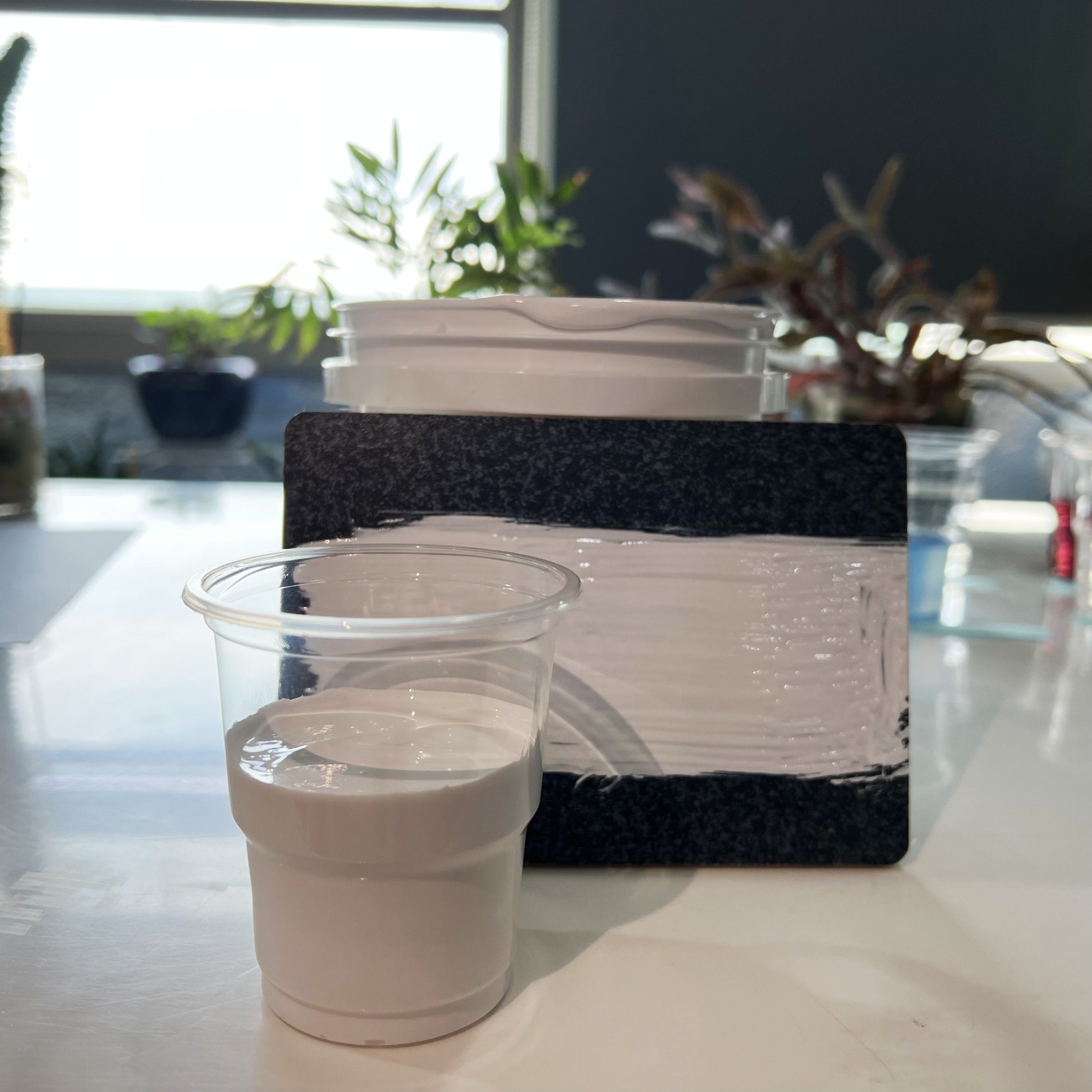
Apply a thin vinyl ester resin "tie coat" to promote adhesion.
Proceed with bulk vinyl ester resin layup.
This method reduces interfacial stress caused by mismatched shrinkage rates—vinyl ester resin typically exhibits 5–7% volumetric shrinkage, while epoxy shrinks 1–3%.
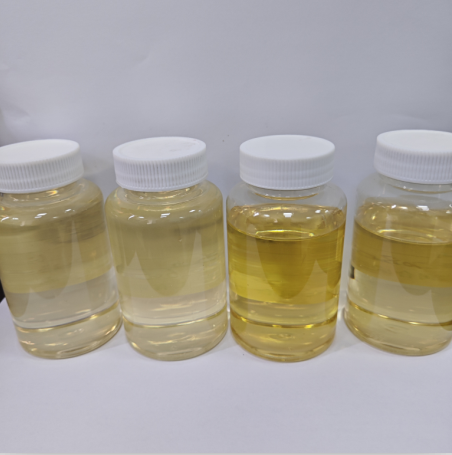
Applications Combining Vinyl Ester Resin and Epoxy
Composite Repairs
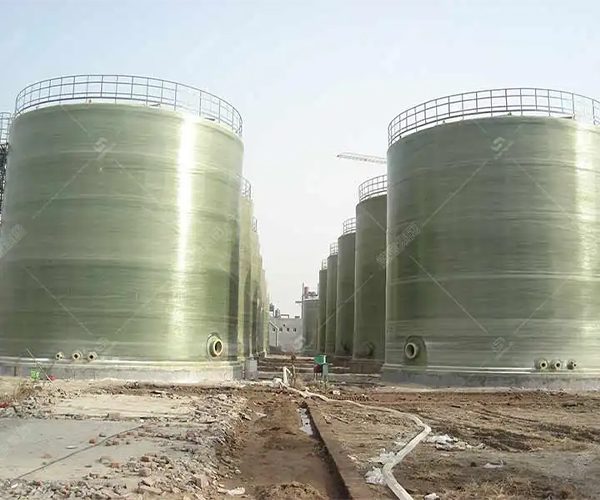
Vinyl ester resin is widely used to repair epoxy-based structures like pipelines or tanks due to its superior chemical resistance. For example, damaged epoxy coatings in chemical processing equipment are often patched with vinyl ester resin layers.
Hybrid Laminates
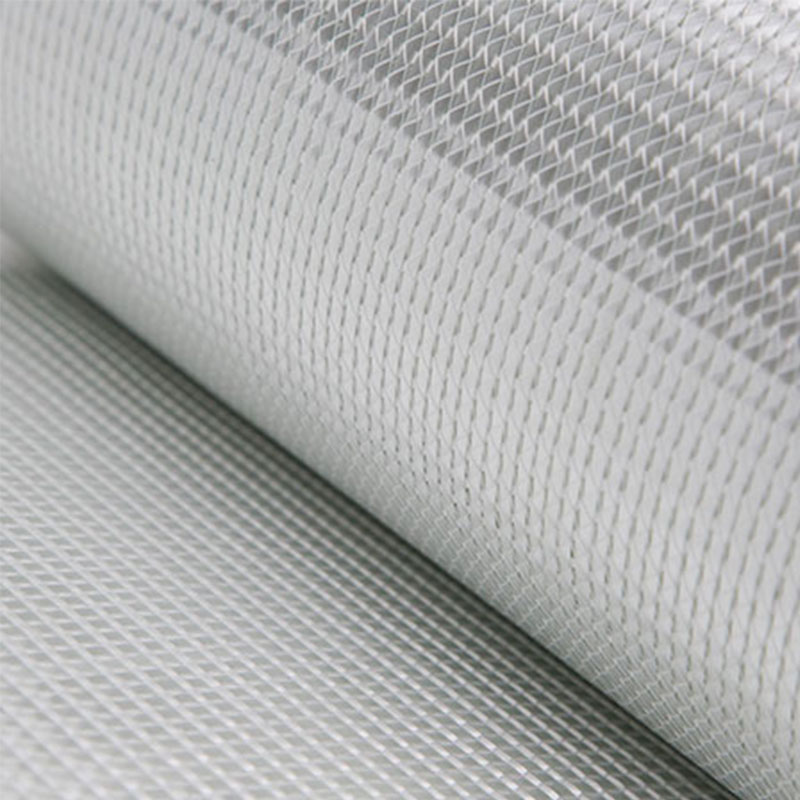
In aerospace and marine industries, epoxy cores are sometimes overlaid with vinyl ester resin to enhance moisture resistance. The combination leverages epoxy’s stiffness and vinyl ester resin’s corrosion protection.
Electrical Insulation
Epoxy-vinyl ester hybrids are used in printed circuit boards (PCBs), where epoxy provides structural support and vinyl ester resin contributes UV stability.
Limitations and Mitigation Strategies
Thermal Expansion Mismatch
Vinyl ester resin’s higher coefficient of thermal expansion compared to epoxy can cause delamination under thermal cycling. Solutions include using flexible vinyl ester formulations or adding silica fillers.
Moisture Sensitivity
Epoxy’s amine hardeners may react with moisture trapped at the interface, weakening the bond. Silane coupling agents (e.g., γ-glycidoxypropyltrimethoxysilane) improve moisture resistance.
Curing Inhibition
Unreacted epoxy hardeners can interfere with vinyl ester resin’s peroxide catalysts. Pre-baking epoxy substrates at 60–80°C eliminates residual amines.
Case Study: Bonding Epoxy Coatings with Vinyl Ester Resin
A 2023 study evaluated the adhesion of vinyl ester resin to epoxy-coated steel in offshore environments. Key findings:
Shear strength reached 12–15 MPa after surface abrasion and silane treatment.
Untreated samples failed at <5 MPa due to interfacial voids.
Hybrid systems showed 30% lower corrosion rates than epoxy-only controls.
Conclusion
Vinyl ester resin can adhere effectively to epoxy substrates when chemical compatibility, surface preparation, and curing protocols are optimized. While their differing polymerization mechanisms pose challenges, strategic layering, coupling agents, and staged curing enable robust bonding. Applications span corrosion-resistant repairs, hybrid composites, and advanced electronics. Future innovations in low-shrink vinyl ester formulations and epoxy-vinyl ester copolymers promise to further enhance interfacial performance. As industries demand multifunctional materials, the synergy between vinyl ester resin and epoxy will remain a cornerstone of high-performance engineering.